
Flowers
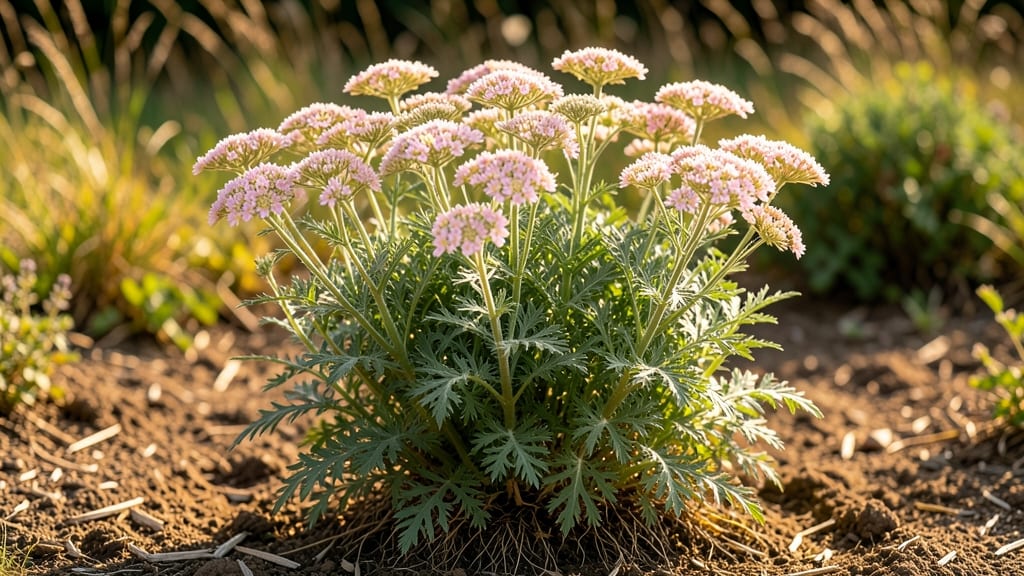
Yarrow flowers between mid-summer and early fall, turning your garden into a pollinator paradise with its fern-like foliage and bright clusters 🌼.
If you’ve ever planted this hardy perennial only to wonder why it’s not blooming when you expected, the answer lies in your USDA zone, variety, and a few simple growing tweaks.
In cooler climates like Zone 6a, yarrow often kicks off its show in late June, while warmer zones may see flowers as early as May or stretch them into October.
The key? Most varieties bloom once but can rebloom with the right care—think pruning and deadheading to keep those cheerful blooms coming.
This timing isn’t just about aesthetics; it’s also about supporting bees, butterflies, and other pollinators when they need food most. Plus, knowing when yarrow flowers helps you plan for cut flowers, succession planting, or even medicinal harvests (like tea or tinctures) at their peak potency.
Below, I’ll break down the exact months for your zone, the fastest-blooming varieties, and how to coax extra weeks of color from your plants—so you’re never left waiting for that first bright burst of yarrow again.
Yarrow flowering timeline by USDA zones: what to expect each season
Yarrow (Achillea millefolium) is a hardy perennial that thrives across USDA zones 3-10, but its flowering timeline shifts dramatically depending on where you live.
In cooler northern zones (3-5), expect early blooms as soon as late spring, while warmer southern zones (7-10) often see prolonged summer-to-fall displays. These differences matter for pollinator planning and cut-flower arrangements, so let’s break it down by zone.
For Zone 3-5 gardeners, yarrow typically kicks off its show in May or June, with some early varieties like ‘Moonshine’ blooming as soon as late April.
In contrast, Zone 7-10 regions may see flowers as early as March-April for winter-hardy types, stretching into October or November in frost-free areas. Understanding these patterns helps you space varieties strategically for continuous color.
Climate plays a critical role—drought stress in Zone 8-10 can delay blooms until late summer, while cool, wet springs in Zone 4-6 might push flowers into July. Heat-tolerant varieties like ‘Terracotta’ often rebound after summer slumps, proving adaptable to extreme conditions.
🌼
| USDA Zone | Primary Bloom Window | Rebloom Potential | Climate Notes |
|---|---|---|---|
| 3-5 | Late May - July | Moderate (deadhead for fall blooms) | Short growing season; mulch to extend blooms |
| 6-7 | June - August | High (prune after first bloom) | Ideal for cut flowers; heat-tolerant |
| 8-9 | April - October | Very high (staggered plantings) | Drought-resistant; water deeply in summer |
| 10 | March - November | Year-round with care | Frost-free; protect from winter rains |
In Zone 3-5, where winters are harsh, yarrow often emerges early but may struggle with late frosts. Plant heat-loving varieties like ‘Coronation Gold’ to ensure robust growth. These zones benefit from spring mulching to preserve soil warmth and encourage faster blooming.
For Zone 6-7, the peak flowering season runs from June to August, making yarrow a pollinator powerhouse during late summer. Here, deadheading spent blooms triggers reblooms into September, extending the show. Pair with coneflowers for a sequential color display.
Southern gardeners in Zones 8-10 enjoy prolonged blooms, but summer heat can cause bud drop. To combat this, provide afternoon shade during peak temperatures and water deeply but infrequently to encourage deep root growth. Varieties like ‘Red Beauty’ thrive here with minimal fuss.
🌿
Regardless of zone, yarrow’s flowering timeline can be adjusted with simple techniques. For example, cutting back 1/3 of the plant after the first bloom stimulates a second flush in most zones.
In drought-prone areas, amend soil with compost to retain moisture without overwatering—a key trick for Zone 9-10 gardeners.
If you’re growing yarrow for medicinal purposes, harvest leaves and flowers at peak bloom (when essential oils are most concentrated). In Zone 4-6, this means July-August collections, while Zone 8-10 allows for multiple harvests from spring to fall.
🪴
Pro tip: Use yarrow’s flowering timeline to design a pollinator garden. Plant early bloomers like ‘Moonshine’ in Zone 3-5 alongside late-season varieties such as ‘The Bees’ Friend’ in Zone 7-10. This staggered approach ensures continuous nectar for bees and butterflies from May through October.
Top 5 yarrow varieties ranked by flowering time: fastest to latest bloomers
If you’re planning a garden that blooms from early summer to frost, choosing the right yarrow varieties is key. Some varieties like ‘Moonshine’ burst into color in late June, while others like ‘The Bees’ Friend’ stretch their show into September or October.
This staggered blooming creates a nonstop pollinator buffet and keeps your garden vibrant all season.
Below, I’ve ranked the top 5 yarrow varieties by their flowering windows, color variations, and ideal planting strategies to ensure continuous blooms. Whether you’re a beginner or a seasoned gardener, these picks will help you design a long-lasting floral display with minimal effort.
🌼 Yarrow Flowering Time Comparison
For a staggered bloom effect, plant ‘Moonshine’ and ‘Cerise Queen’ in early spring, followed by ‘The Bees’ Friend’ and ‘Terracotta’ in late spring. This ensures your garden stays colorful from late June through November, even in cooler climates.
Pro tip: Pair these varieties with dwarf yarrow like ‘Golden Queen’ (18" tall) for borders or containers. The contrast between their compact size and taller varieties like ‘Summer Wine’ (36" tall) creates a stunning layered look while extending your blooming season.
To maximize reblooming, deadhead spent flowers every 2-3 weeks and fertilize lightly with a low-phosphorus formula in early summer. This encourages a second flush of blooms, especially in USDA Zones 7-10 where growing seasons are longer.
🌿 Whether you’re growing yarrow for cut flowers, pollinator support