
Planting
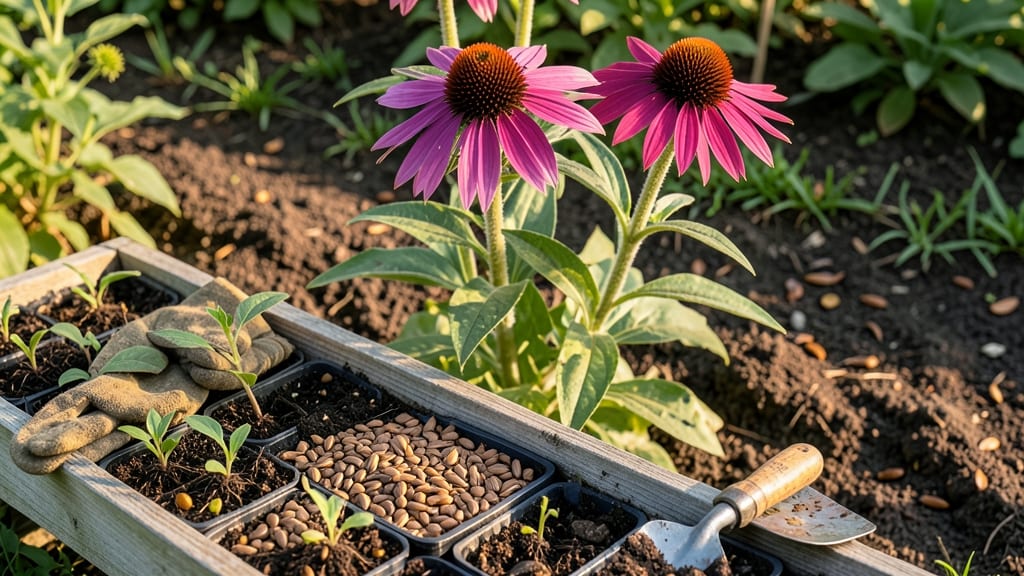
To plant cone flower seeds at the right time means bold blooms by summer—and missing the window leaves you with leggy seedlings or no germination at all.
Picture this: you’ve picked out your favorite 🌼 purple varieties, cleared the garden bed, and then—nothing. That’s what happens when you plant too early in cold zones or too late in warm ones. The key is knowing your USDA zone and the ideal months for your region.
In most of the U.S. (like Zone 6a), the best window is April to May, after the last frost. But in warmer climates, late summer planting works too—just adjust for soil warmth and moisture.
I’ll walk you through the exact timing by zone, plus whether to start seeds indoors or sow them directly.
You’ll also learn how to spot ready-to-plant soil, avoid three common mistakes, and even troubleshoot if your seeds take their sweet time sprouting. Let’s get those cheerful blooms growing!
Best planting months for coneflower seeds by USDA hardiness Zones
Getting your coneflower seeds in the ground at the right time makes all the difference between a thriving perennial and a disappointing wait for blooms. These hardy plants thrive when planted during their optimal temperature windows, which vary dramatically by USDA hardiness zone.
Whether you're in Zone 3 with harsh winters or Zone 10 with mild climates, timing your planting ensures strong germination and robust growth.
Coneflowers offer two main planting windows: early spring (just after your last frost date) and late summer (6-8 weeks before your first frost). Each zone has specific temperature thresholds—typically 50-60°F soil temps for spring planting and 70-80°F for late summer.
Let's break down the best months for your specific zone to maximize your chances of those iconic purple blooms.
If you're in Zones 3-4, focus on late May planting to avoid late frosts that can damage young seedlings. These northern zones benefit from row covers or even starting seeds indoors 6-8 weeks before your last frost date.
For Zones 5-6, you have flexibility with both spring and late summer options—just ensure soil temperatures are consistently above 50°F.
Gardeners in Zones 7-8 can plant as early as March in mild winters, but late summer planting (June-July) often yields stronger plants that bloom the following year. This is especially true in drought-prone areas where late summer planting gives roots time to establish before winter rains arrive.
For Zones 9-10, avoid summer heat—plant in January-February or September when temperatures are cooler.
Pro tip: Always check your local frost dates—they can vary by 1-2 weeks even within the same zone. For example, Zone 6a might have last frosts in mid-April, while Zone 6b could be safe by early May.
Use a soil thermometer to confirm temperatures before planting; coneflower seeds need consistent warmth to germinate
Direct sowing vs. starting coneflower seeds indoors: which works best?
Deciding whether to direct sow coneflower seeds or start them indoors depends on your climate zone and how much time you’re willing to invest. Both methods work, but each has distinct pros and cons that can make or break your blooms.
I’ve tried both—here’s what I’ve learned to help you choose the best approach for your garden.
For gardeners in cooler zones (4-7), starting seeds indoors gives you a head start on the growing season. You can begin seeds 6-8 weeks before your last frost date, ensuring sturdy seedlings ready for transplant.
Meanwhile, gardeners in warmer zones (8-10) often prefer direct sowing in late summer to avoid heat stress and take advantage of natural rainfall.
Direct Sowing vs. Starting Indoors
Direct Sowing
- Pros: Saves time, avoids transplant shock, ideal for warm climates.
- Cons: Slower germination, risk of seedling damage from pests.
Starting Indoors
- Pros: Earlier blooms, better control over growing conditions.
- Cons: Requires extra space/time, risk of transplant shock if not hardened off.
Best For: Direct sowing works best in warmer zones (8-10) or for late summer planting. Starting indoors suits cooler zones (4-7) or early spring sowing.
If you opt for indoor starting, begin seeds 8-10 weeks before your last frost date. Use seed-starting trays with well-draining soil, keep them in a warm spot (around 70°F), and provide 14-16 hours of light daily with grow lights.
Coneflowers germinate slowly—10-21 days—so patience is key.
Once seedlings have 2-3 sets of true leaves, it’s time to harden them off. This process takes 7-10 days and involves gradually exposing seedlings to outdoor conditions.
Start with 1-2 hours daily in a sheltered spot, then increase exposure over the week. Avoid transplanting on hot or windy days, as this can stress seedlings.
For direct sowing, wait until the soil is at least 60°F and all danger of frost has passed. Plant seeds ¼ inch deep, spacing them 12-18 inches apart.
Water gently to avoid displacing seeds, and keep the soil consistently moist until germination. Mulching after planting helps retain moisture and suppress weeds.
No matter which method you choose, coneflowers reward patience. Whether you’re transplanting sturdy seedlings or watching tiny sprouts push through the soil, the payoff is worth the effort—vibrant blooms from mid-summer to fall. 🌼