
Plants
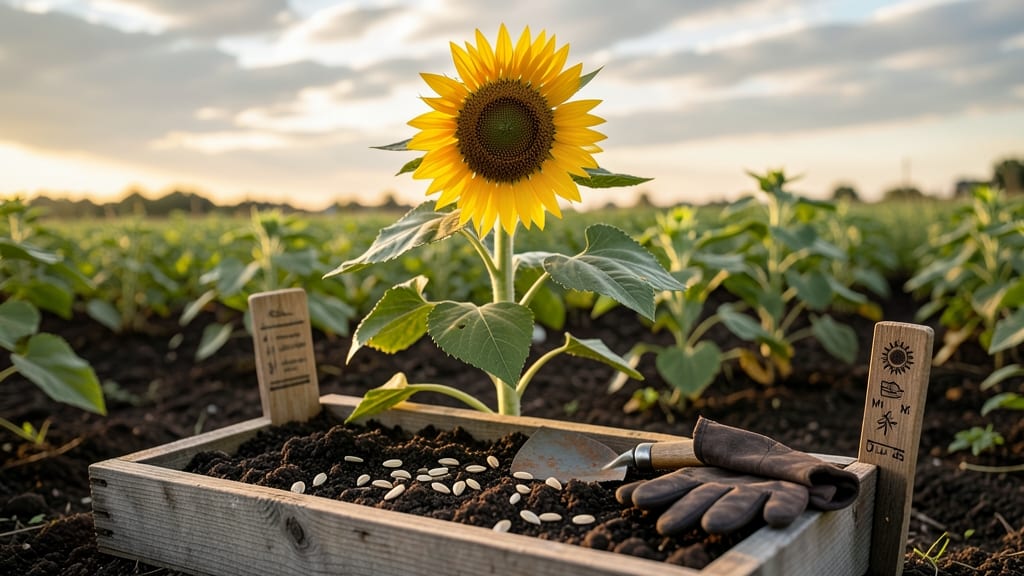
Plant sunflower seeds in Indiana after your last frost date, typically between mid-April and early June when soil temperatures hit 50°F or warmer.
Indiana’s unpredictable spring weather can make sunflower planting a gamble—plant too early and risk frost damage, too late and miss peak bloom season. Timing isn’t just about dates; it’s about understanding your county’s microclimate and sunflowers’ heat-loving nature.
The 🌻 sunflower thrives in USDA Zone 6a, but northern Indiana’s shorter growing season demands earlier planting, while southern regions can stretch it into June. Varieties like ‘Mammoth’ need the full window, while dwarf types like ‘Teddy Bear’ tolerate later starts.
In this guide, I’ll break down last-frost dates by county, soil temperature tricks, and how to adjust for your specific sunflower goals—whether you’re after towering blooms or quick harvests for birds.
Indiana’s last-freeze dates by county: best sunflower planting windows
Sunflowers thrive in Indiana’s warm summers, but their 60°F soil temperature requirement means timing matters.
The last average frost date varies dramatically across the state—from early April in southern counties to late May in the north. USDA Zones 5b-6a dominate Indiana, but microclimates in cities like Indianapolis or rural areas near Lake Michigan can shift your planting window by 1-2 weeks.
Northern Indiana gardeners in Lake, Porter, or Kosciusko counties should wait until mid-May for safety, while southern growers in Vanderburgh or Gibson counties can start as early as late March under row covers.
The key is balancing frost risk with sunflower germination speed—seeds sprout in 7-14 days when soil is warm enough.
🌱
| County | Avg. Last Frost | Safe Planting Window | USDA Zone | Notes |
|---|---|---|---|---|
| Lake/Porter | May 10-15 | May 20 - June 10 | 5b | Urban areas 1 week later |
| Allen/DeKalb | April 25-May 5 | May 10 - June 5 | 6a | Rural areas 3-5 days earlier |
| Marion (Indianapolis) | April 15-20 | April 25 - May 15 | 6a | Heat islands delay frost |
| Vanderburgh | April 5-10 | April 15 - May 5 | 6a | Earlyest in state |
| Gibson/Pike | March 25-April 5 | April 10 - April 30 | 6b | Southern Indiana warmth |
| Kosciusko | May 1-10 | May 15 - June 5 | 5a | Northernmost safe zone |
Use these dates as guidelines, not rules. Soil temperature matters more than calendar dates—wait until your soil reaches 50°F+ at 2 inches deep. A soil thermometer (just $10) prevents costly mistakes. Urban gardeners should add 5-7 days to frost dates due to heat island effects.
For giant sunflowers (like 'Mammoth' or 'Russian Giant'), plant 2-3 weeks earlier than dwarf varieties ('Teddy Bear' or 'Sunspot'). These tall beauties need longer heat exposure to reach their 10-14 foot potential. Succession planting every 2 weeks extends your bloom season until first frost in October.
🌻
Pro tip: Check NOAA's Local Climate Data for your specific ZIP code—some areas like Peru or Bedford experience 10°F temperature swings in April. Row covers can push planting back 2 weeks earlier in cold pockets, while black plastic mulch warms soil 5-10°F faster for faster germination.
Remember: Sunflowers hate cold soil. If you plant too early and hit below 45°F, seeds may rot. Test your soil with a thermometer—patience now means bigger blooms later. For northern Indiana, consider container growing to move plants indoors if late frosts threaten.
☀️
How to adjust planting timing for sunflower varieties and soil conditions
Not all sunflowers thrive on the same schedule—giant varieties like ‘Mammoth’ need Indiana’s early spring warmth, while dwarf types like ‘Teddy Bear’ can handle later starts.
The key is matching your sunflower variety to your county’s soil temperature trends, which can vary by 10°F+ between northern and southern Indiana.
For consistent germination, wait until soil reaches 60°F+—cold soil slows sprouting and invites rot. Use a soil thermometer to confirm before planting, especially in northern Indiana, where late frosts linger until mid-May in some areas.
🌱
Planting Timing Adjustments for Sunflower Varieties
Early Planting (March-April)
- Pros: Extended bloom season
- Cons: Frost risk for tall varieties
Best for: Cold-hardy hybrids like 'Autumn Beauty' in southern Indiana.
Standard Planting (May)
- Pros: Safe for all varieties
- Cons: Shorter bloom window
Best for: Giant varieties like 'Russian Giant' in central Indiana.
Late Planting (June)
- Pros: Avoids early pests
- Cons: Smaller blooms
Best for: Dwarf varieties like 'Sunspot' in northern Indiana.
For northern Indiana gardeners, prioritize succession planting—sow dwarf varieties every 2-3 weeks from May through June to stretch your bloom season. In southern Indiana, you can afford to plant giant varieties as late as early June without sacrificing height.
Always test your soil’s drainage first—sunflowers hate soggy roots. Amend heavy clay with compost or sand to improve aeration, especially in low-lying areas where water pools after rain.
🌿
Pro tip: Use black plastic mulch to warm soil faster in cool springs. This raises soil temps by 5-10°F, letting you plant 2 weeks earlier without frost risk. Just remove it once flowers appear to prevent overheating.
☀️