
Flowers
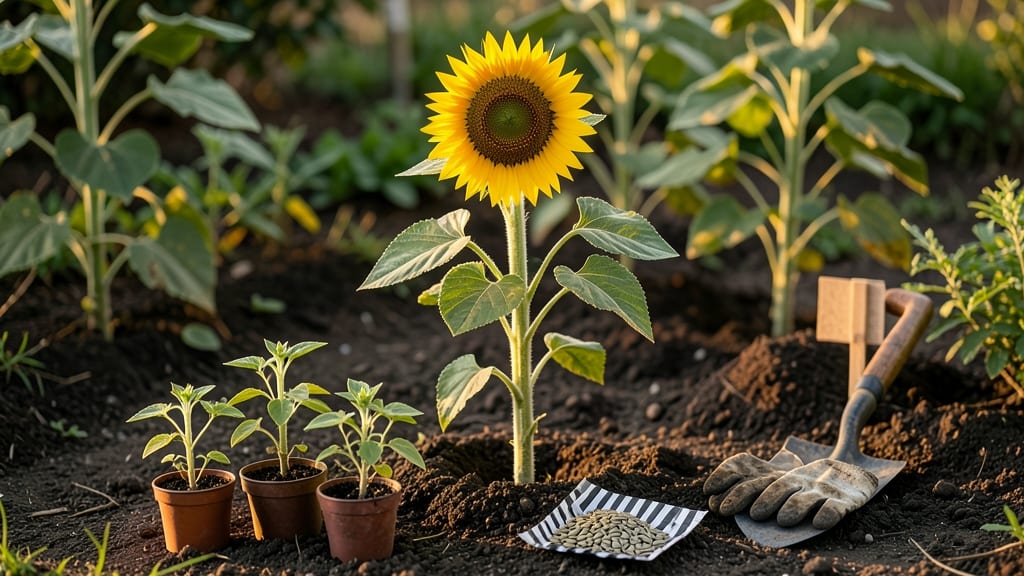
Planting sunflowers in South Carolina after the last frost date—typically mid-April to early June—sets you up for towering blooms instead of stunted stems.
Sunflowers thrive in South Carolina’s warm climate—but planting them too early or late can mean wilting blooms instead of towering sun-catchers. Timing is everything, and understanding your heat zone can double your chances of success.
If you’ve ever watched your 🌻 sunflower seedlings struggle in cool soil or bolt before they mature, you know how critical the right window is.
The key is waiting until the soil warms to at least 60°F, which usually aligns with late March or early April in most of the state.
Below, I’ll walk you through the exact frost-free planting schedule for your USDA zone, soil prep tips to speed up germination, and how to stretch your blooming season with succession planting—so you’re harvesting seeds by fall.
South Carolina heat zones explained: best planting months for sunflowers
South Carolina spans USDA Hardiness Zones 7a through 8b, creating distinct microclimates that affect when you should plant sunflowers. The Piedmont region (7b-8a) enjoys milder winters, while the coastal areas (8a-8b) stay warmer longer.
These differences mean your planting window could shift by 2-3 weeks depending on where you live.
Sunflowers are heat-loving annuals that thrive when soil temperatures reach 60°F (15°C) consistently. In most of South Carolina, this happens by mid-April, but coastal gardeners can start as early as late March. Timing is critical—plant too soon, and frost-sensitive seedlings will fail.
Last frost dates vary: Piedmont (Zone 7b) averages March 15, while coastal Charleston (Zone 8b) sees frost as late as January 15. Always check your local Almanac’s frost calendar or use the USDA Plant Hardiness Map to confirm your zone.
Here’s your customized planting timeline based on South Carolina’s zones, including soil temperature thresholds and microclimate adjustments:
| Zone | Last Frost Date | Soil Temp Threshold | Ideal Planting Window | Microclimate Notes |
|---|---|---|---|---|
| 7a (Upstate) | March 20 | 60°F (15°C) | Mid-April to May 1 | Cooler nights; use row covers |
| 7b (Piedmont) | March 15 | 60°F (15°C) | Late March to April 15 | Moderate; watch for late frosts |
| 8a (Lower Coastal Plain) | January 15 | 55°F (13°C) | February 20 to March 30 | Warmer; extend season with fall planting |
| 8b (Coastal) | January 1 | 55°F (13°C) | February 1 to April 1 | Longest season; plant year-round |
For Zone 7a gardeners, I recommend starting seeds indoors in late February to transplant after your last frost. Use black plastic mulch to warm soil faster and protect tender seedlings. In Zone 8b, you can even plant successive crops every 2 weeks for continuous blooms through fall.
Sunflowers need full sun (6+ hours daily), so choose a south-facing spot with well-draining soil. Amend heavy clay with compost or sand to prevent waterlogging. In coastal areas, watch for humidity-related fungal diseases—space plants 12+ inches apart for airflow.
If you’re in the Piedmont region, consider staggered planting: sow a dwarf variety (e.g., ‘Teddy Bear’) in early April for quick blooms, then plant tall varieties (e.g., ‘Mammoth’) in May. This ensures continuous color from summer through early fall.
Pro tip: Use a soil thermometer to confirm 60°F+ soil temps before planting. If temps dip below 55°F (13°C), seedlings may rot. For extra insurance, cover seeds with straw mulch until sprouts appear.
Remember, first frost typically hits South Carolina by mid-November, but sunflowers planted in late summer (August-September) often survive light frosts. Choose fast-maturing varieties (50-60 days) for fall plantings to enjoy blooms before winter.
🌻
Sunflower varieties that match South Carolina’s climate: early vs. late planting
South Carolina’s USDA zones 7b-8b offer the perfect stage for sunflowers, but not all varieties thrive equally. Early bloomers like ‘Moulin Rouge’ (dwarf) can handle cooler spring soil, while giants like ‘Russian Giant’ need warmer summer months to reach their full 12-foot height.
Choosing the right variety and planting time ensures you avoid frost damage or leggy, weak stems.
For continuous blooms, I recommend staggering plantings every 2-3 weeks. Start with early varieties in mid-April (after last frost) and follow with mid-height types in late May.
This way, you’ll enjoy flowers from summer through early fall. The key is matching each variety’s days to maturity with your local frost dates.
Here’s how dwarf, mid-height, and giant sunflowers compare in South Carolina’s climate—including their frost tolerance and ideal planting windows:
If you’re in coastal South Carolina (warmer microclimate), you can push early plantings to late March for dwarf varieties. Inland areas should wait until mid-April to avoid frost. For giants like ‘Russian Giant,’ wait until soil temps hit 70°F—usually late May—to ensure strong stems and full blooms.
Pro tip: Use black plastic mulch to warm soil faster for late plantings. This trick helps giant varieties mature before fall frost. Pair ‘Moulin Rouge’ with ‘Russian Giant’ for a season-long sunflower show, starting with early blooms and ending with towering giants.
For fall harvests, plant ‘Autumn Beauty’ in early June. Its 70-day maturity ensures blooms just before frost, giving you seeds and stunning late-season color. Staggering these varieties guarantees you’ll have sunflowers from June through October—no wilting blooms in sight!