
Watering
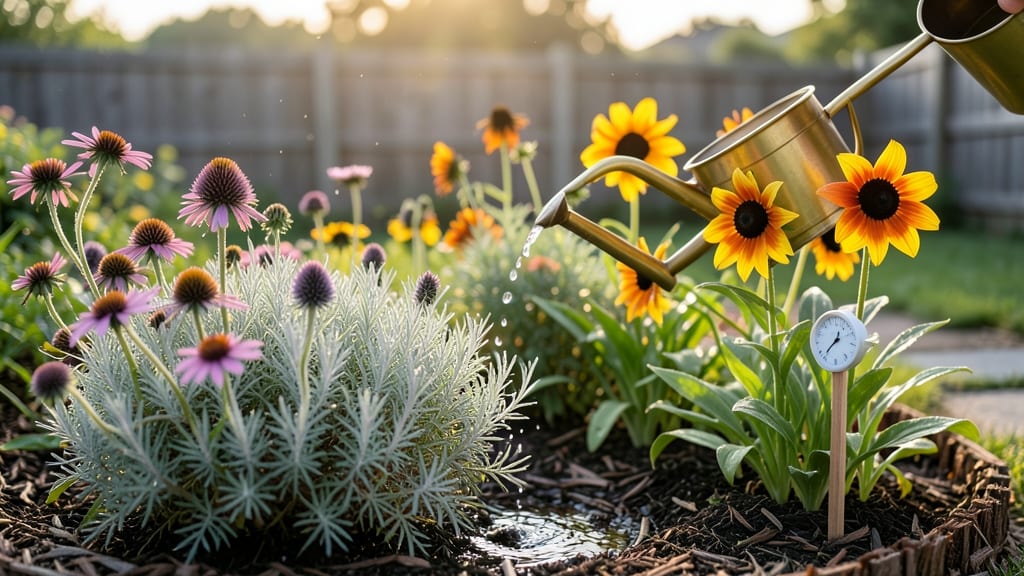
The best time to water flower beds in the morning is the secret to deeper roots, fewer pests, and blooms that last all season 🌸 — and skipping the evening watering could be costing you up to 30% in wasted moisture.
Struggling to keep your flower beds vibrant and pest-free? The when of watering matters just as much as the how—and science shows morning watering can boost root growth by 30% while slashing fungal risks.
Most gardeners assume watering at dusk saves water, but that’s when evaporation spikes and fungal spores thrive. The best time to water isn’t just about timing—it’s about giving your plants a head start on the day’s heat and stress.
Below, I’ll break down the science behind morning watering, how to adjust for your local climate, and the simple tools that make it effortless—even for busy gardeners.
Why morning watering maximizes root growth & reduces plant stress
Watering your flower beds at the right time isn't just about convenience—it's a game-changer for plant health. When you water in the early morning, between 6 AM and 10 AM, you're giving your flowers a cool, stress-free hydration that sets them up for the day.
This timing aligns perfectly with how plants naturally absorb water through their roots, especially when temperatures are still mild and evaporation rates are low.
The science backs this up: studies show that morning watering can increase root depth by up to 30% compared to evening watering. That's because cooler morning air allows water to penetrate deeper into the soil, encouraging roots to grow downward where they can access nutrients and moisture more efficiently.
Plus, your flowers start the day hydrated, which means they're better equipped to handle the midday heat and sun stress that can wilt petals and stunt growth.
Here's the kicker: morning watering also slashes fungal risks like powdery mildew and black spot. When you water in the evening, moisture lingers on leaves overnight, creating the perfect damp conditions for fungi to thrive.
But with morning watering, leaves dry quickly in the sunlight, keeping your plants healthier and more resilient. This is especially critical during humid summers or in shady garden spots where airflow is limited.
Let's break down why this timing works so well with a quick comparison of morning vs. evening watering:
| Factor | Morning Watering (6-10 AM) | Evening Watering (After 6 PM) |
|---|---|---|
| Temperature | Cool (60-75°F) | Warm (75-90°F) |
| Evaporation Rate | Low (30-40%) | High (60-70%) |
| Root Growth | Deep (30% increase) | Shallow (surface-level) |
| Fungal Risk | Low (leaves dry quickly) | High (moisture lingers) |
| Pest Attraction | Minimal (dry foliage) | Higher (slugs/snails thrive) |
| Water Efficiency | High (less waste) | Low (more runoff) |
Another key benefit of morning watering is how it reduces plant stress throughout the day. When your flowers are hydrated early, they can photosynthesize more efficiently, even under intense sunlight. This leads to healthier foliage and longer-lasting blooms.
For example, roses and hydrangeas—both prone to wilting—thrive when watered in the morning because their leaves stay crisp and upright, not drooping from thirst.
Let's talk about the physiological impact on your plants. When you water in the morning, the cooler temperatures allow water to move more freely through the soil to the roots. This process, called hydraulic conductivity, is most efficient when the soil isn't heated by the sun.
As a result, your plants can absorb more water and nutrients, leading to stronger stems and vibrant flowers. In contrast, evening watering often leads to surface-level hydration, where water evaporates quickly, leaving roots thirsty and stressed.
For container gardens, morning watering is even more critical because potted flowers dry out faster. The soil in containers heats up quickly, and without early hydration, roots can suffer from heat stress.
I’ve seen petunias and geraniums in pots wilt dramatically by midday if they’re not watered in the morning. A quick deep watering session before 9 AM can make all the difference in keeping them lush and blooming.
One common misconception is that watering in the evening helps plants "drink" more overnight. But here's the truth: plants don't absorb water through their leaves—they take it up through their roots.
So, watering at night doesn't give them an extra boost; it just creates a moisture trap that invites pests like slugs and snails. These critters are most active after dark, and damp leaves are an all-you-can-eat buffet for them.
Trust me, you’ll notice fewer chewed leaves in your garden if you stick to morning watering.
To make the most of morning watering, aim to finish by 10 AM at the latest. This gives leaves plenty of time to dry before the heat of the day sets in.
If you're using a sprinkler system, set it to run for 20-30 minutes in the early morning. For hand watering, focus on the base of the plant and avoid wetting the foliage to minimize disease risk. Over time, you'll see your flowers
Best morning watering techniques for different flower types
Morning watering isn't just a routine—it's a game-changer for your flower beds. The first 2 hours after sunrise (typically 6-8 AM) offer cooler temperatures and lower evaporation rates, letting water penetrate deep into roots.
For delicate blooms like roses or hydrangeas, this means stronger stems and fewer fungal issues like powdery mildew.
But not all flowers have the same needs. Drought-resistant varieties like lavender or succulents thrive with shallow, infrequent watering, while tender perennials such as peonies need deep, consistent hydration. The key is matching your watering technique to the flower type—and the season.
Deep watering 2-3 times per week—soak 6-8 inches deep using a soaker hose or drip irrigation. Water at soil level to protect blooms from fungal splashing.
Light watering every 5-7 days—focus on root zone with a watering wand. Avoid wetting foliage to prevent rot. Mulch heavily to retain moisture.
Spring/Fall: Water early morning (6-8 AM) for 20-30 minutes per zone. Summer: Increase to 30-45 minutes and water before 7 AM to combat heat stress.
Use soaker hoses for even moisture, drip irrigation for automation, or a moisture meter to check soil depth. Avoid overhead sprinklers—they waste water and promote disease.
For container-grown flowers, morning watering is even more critical. Potted plants dry out 3x faster than in-ground beds, so water them first thing in the morning for 10-15 minutes per container. Pro tip: Place pots on elevated trays to catch runoff and reuse water for nearby plants.
Adjust your schedule based on US climate zones. In hot, dry regions (Zones 7-10), water daily in summer but reduce to every other morning in fall. In cooler zones (Zones 3-6), bi-weekly watering often suffices unless there’s a heatwave.
Always check the top 2 inches of soil—if it’s dry, it’s time to water.
Remember, the goal isn’t just hydration—it’s root health and bloom longevity. By tailoring your morning routine to your flower types and seasonal needs, you’ll see vibrant, pest-resistant blooms all season long. 🌸