
Shrubs
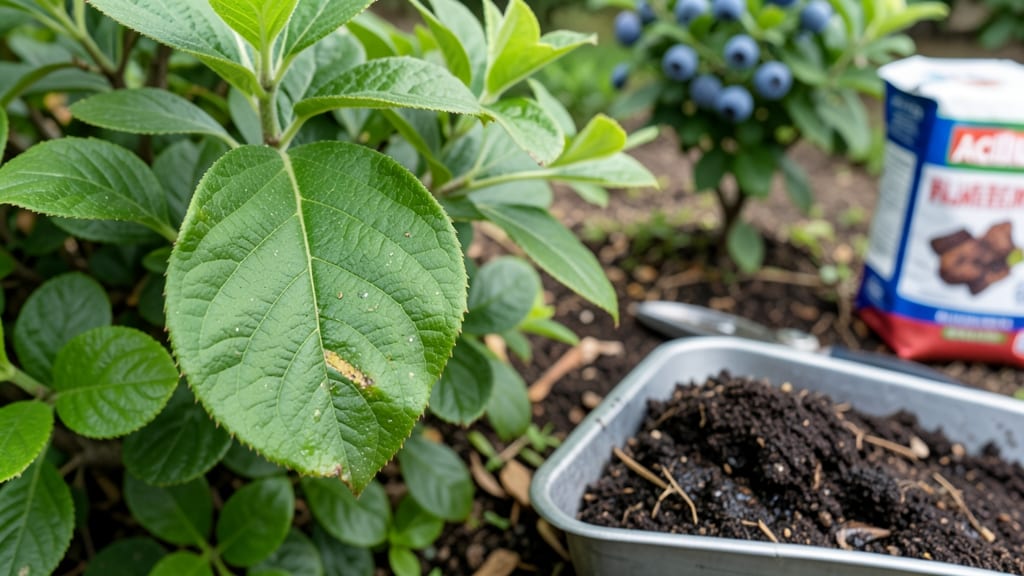
3 Critical reasons your blueberry bush isn’t flowering (and how to diagnose them)
If your blueberry bush looks lush but refuses to flower, don’t panic—it’s often a fixable issue. Blueberries are finicky, and even small mistakes can delay those critical flowering stages.
The good news? Most problems stem from just three root causes that are easy to diagnose once you know what to look for.
Before grabbing your pruners or digging into the soil, start by ruling out the most common culprits. Insufficient chilling hours, improper pruning techniques, and nutrient imbalances are the top reasons your bush is playing hard to get.
Each of these issues sends your plant mixed signals, preventing it from shifting into flowering mode.
🔍 3 Critical Reasons Your Blueberry Bush Isn’t Flowering
-
1. Insufficient Chilling Hours
Blueberries need 800-1,000 hours below 45°F (7°C) to trigger flowering. Without this, buds stay dormant. -
2. Improper Pruning
Cutting at the wrong time or removing old wood (where flowers form) can starve your bush of next year’s blooms. -
3. Nutrient Deficiencies or Over-Fertilization
Too much nitrogen = leafy growth, no flowers. Too little phosphorus/potassium = weak buds that fail to open.
Let’s tackle these one by one. First, check your chilling hours. If you’re in a mild climate (like USDA Zone 8+), your bush might not be getting enough cold exposure. Symptoms include sparse or no flower buds by late winter, even if the plant looks healthy.
This is especially common for southern-grown bushes or those in microclimates.
Next, inspect your pruning habits. Did you prune in late winter or early spring? If so, you might have accidentally removed last year’s wood, which is where 80% of blueberry flowers form.
Look for woody stems with small pink buds—these are your flowering sites. If they’re gone, your pruning was too aggressive.
Now, dig into the soil and fertilizer situation. Blueberries are acid-loving plants, and their flowering depends on the right nutrient balance. Over-fertilizing with generic 10-10-10 can cause leafy growth at the expense of flowers.
Instead, switch to an acidic, high-phosphorus fertilizer (like 10-20-20) in early spring to encourage bud formation.
Here’s a quick diagnosis checklist to narrow it down:
- No buds by late winter? → Likely chilling hour deficit.
- Leaves but no flowers? → Check your fertilizer type.
- Bare branches where buds should be? → You pruned too late.
Don’t forget to test your soil pH. Blueberries thrive in acidic soil (pH 4.5-5.5). If your soil is too alkaline, your bush will struggle to absorb nutrients, leading to weak or absent flowers.
Grab a soil test kit (they’re cheap and easy) and adjust with elemental sulfur or peat moss if needed.
Finally, consider the age of your bush. Young blueberries (1-2 years old) often skip flowering while they establish roots. If your bush is 3+ years old and still not flowering, one of the above issues is likely the culprit.
Patience is key—some varieties take up to 5 years to reach full productivity.
Once you’ve identified the problem, the fix is usually straightforward. For chilling hours, try moving your bush to a cooler microclimate or use row covers in winter. For pruning, wait until late winter (just before buds swell) and focus on removing only dead or crossing branches.
And for nutrients, switch to an acidic fertilizer and avoid overdoing it.
With these fixes in place, your blueberry bush should start forming buds within 6-8 weeks. And remember: consistency is key. Blueberries are perennial plants, so once you get the formula right, they’ll reward you with years of sweet harvests.
Stage-by-stage fixes: root, soil, and light adjustments for blueberry flowering
If your blueberry bush is healthy but refuses to flower, the issue likely lies in its root health, soil conditions, or light exposure. Blueberries are finicky—they need precise care to trigger flowering.
Let’s break down the fixes into three actionable stages: root adjustments, soil optimization, and light exposure tweaks. These steps will help your bush bloom and fruit like a pro!
First, focus on the roots. Poor drainage or compacted soil can starve your blueberry bush of oxygen and nutrients, halting flower production. Next, we’ll tackle the soil pH, which must stay in the 4.5–5.5 range for blueberries to thrive.
Finally, ensure your bush gets 6+ hours of full sun daily—without enough light, flowering won’t happen. Let’s get started with these targeted fixes.
- Test soil drainage: Dig a 6-inch hole near the bush and fill it with water. If it drains in under 2 hours, your soil is too compacted.
- Amend soil with organic matter: Mix in 3 inches of compost or peat moss into the top 12 inches of soil.
- Raise beds if needed: For clay soil, consider planting in a raised bed with 50% sand or perlite for better aeration.
- Test pH: Use a soil test kit or send a sample to your local extension office for accuracy.
- Lower pH if too high: Add sulfur or pine needles (1 lb per 10 sq ft) and water thoroughly.
- Raise pH if too low: Mix in crushed limestone (sparingly) to avoid shocking roots.
- Retest in 6 weeks and adjust again if needed.
- Check sunlight: Use a sunlight tracker or observe shadows. Blueberries need 6+ hours of direct sun.
- Prune nearby obstacles: Remove overgrown trees or tall plants casting shade on your bush.
- Relocate if needed: If your yard lacks sun, consider a south-facing window or grow lights (12+ hours/day in winter).
- Thin canes: Remove overcrowded branches to improve air circulation and light penetration.
- Blueberries need 800–1,000 chill hours (32–45°F). If you’re in a warm climate, simulate chilling by:
- Moving potted bushes to a garage or cold frame for 4–6 weeks in winter.
- Using artificial chilling (e.g., a refrigerator set to 38°F for 8 weeks).
- Plant southern varieties like ‘Southern Highbush’ if chill hours are insufficient.
After adjusting your blueberry bush’s roots, soil pH, and light exposure, monitor progress over the next 2–3 growing seasons. Flower buds typically form on 1-year-old wood, so avoid heavy pruning during this time.
If you’re in a mild-winter zone, prioritize the chilling trick—this is often the missing piece for non-flowering bushes!
Remember, blueberries are patient plants. With these fixes, you’ll likely see buds by next spring, followed by a bountiful harvest in summer. Keep an eye out for those tiny white or pink flowers—they’re your first sign of success! 🌸