
Orchid Care
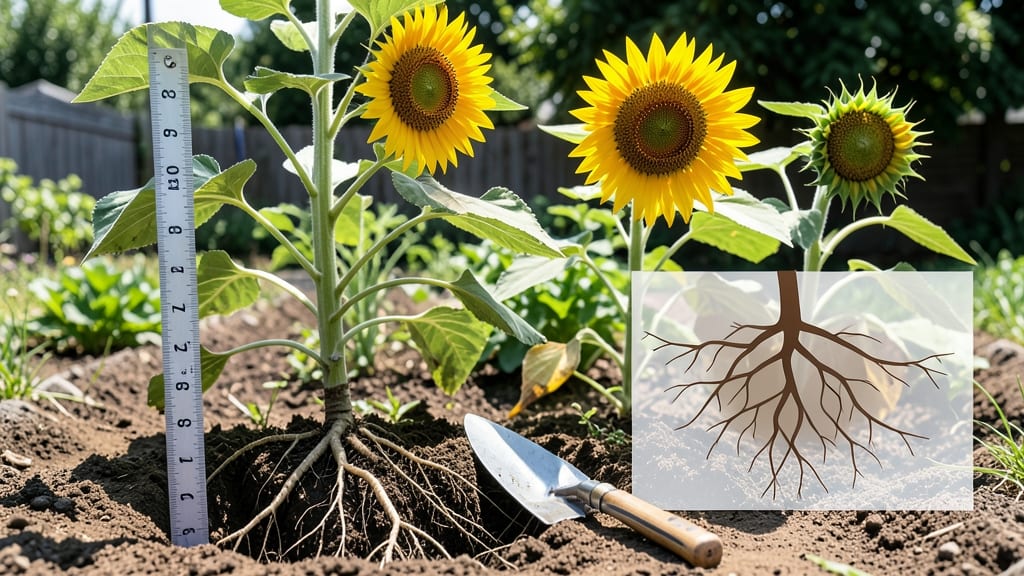
Sunflowers do have deep roots — often reaching 3 to 5 feet deep — but their exact growth depends on soil type and variety.
Picture this: a towering 🌻 sunflower swaying in the breeze, its roots stretching down like a hidden anchor. Most gardeners assume these roots plunge deep into the earth, but the truth is more nuanced.
While they do grow deep, they also spread wide, creating a complex network that stabilizes the plant and accesses water efficiently.
Understanding how deep sunflower roots actually go is critical for proper planting. Too shallow, and your sunflower may topple in storms. Too deep, and you might waste space or resources. The key lies in soil prep, spacing, and choosing the right companion plants to support those roots without competition.
Below, I’ll break down the science behind sunflower roots — how deep they really grow, why some myths get it wrong, and the practical tips you need to give your sunflowers the best chance to thrive.
How deep do sunflower roots actually grow? (Exact measurements & growth patterns)
Sunflowers may reach skyward with their towering stems, but their roots tell a different story. Most gardeners assume these plants need deep soil to thrive, but the truth is more nuanced.
Research shows mature sunflower roots typically extend 3 to 5 feet deep, though their spread is just as important as their depth. Understanding this balance helps you optimize planting, watering, and soil preparation for healthier plants.
The root system of a sunflower develops in distinct stages. When seedlings first emerge, their roots grow only 6 to 12 inches deep as they establish themselves. This shallow phase is critical for early survival, but as the plant matures, its roots begin branching deeper and wider.
By the time the flower head appears, the root system has already expanded significantly, creating a network that supports the plant’s impressive height.
Soil type plays a major role in how deep sunflower roots grow. In loamy soil, roots can penetrate deeper due to better aeration and drainage. However, in clay-heavy or compacted soil, roots may struggle to extend beyond 2 to 3 feet, limiting water and nutrient uptake.
This is why amending your soil with compost before planting can make a noticeable difference in root development.
Here’s a breakdown of sunflower root depth by growth stage, along with key factors affecting their development:
| Growth Stage | Root Depth | Root Spread | Key Factors |
|---|---|---|---|
| Seedling (0-4 weeks) | 6-12 inches | 12-18 inches | Moisture, soil temperature |
| Vegetative (4-8 weeks) | 18-30 inches | 24-36 inches | Nutrient availability, sunlight |
| Flowering (8-12 weeks) | 3-5 feet | 3-5 feet | Water access, soil aeration |
| Mature (12+ weeks) | 4-6 feet (exceptional cases) | 4-6 feet | Soil depth, organic matter |
Note: Root depth varies by variety and environmental conditions.
While sunflower roots don’t reach the 6+ feet often mythologized, their lateral spread is equally impressive. Studies from the University of Nebraska-Lincoln show that mature sunflowers can spread roots up to 4 feet outward, creating a vast network for absorbing water and nutrients.
This lateral growth is why sunflowers are surprisingly drought-tolerant once established—they access moisture from a wide area.
One common misconception is that sunflowers need deep, loose soil to thrive. While deep soil helps, the plant’s adaptability means it can grow well in shallower soils as long as the top 2 feet are rich in organic matter.
In fact, overly deep planting (beyond 1 inch) can stunt root growth, as the seedling struggles to push through compacted layers. Aim for a planting depth of 1 inch in well-draining soil for optimal root development.
Water uptake is directly tied to root depth. Shallow-rooted seedlings require frequent, shallow watering to keep the topsoil moist, while mature plants benefit from deep, infrequent watering to encourage roots to grow downward.
A simple test: If you’re watering more than once a week after the plant is 4 weeks old, you may be promoting shallow roots. Instead, aim for 1 inch of water per week, delivered in the morning to reduce evaporation.
Nutrient uptake follows a similar pattern. Early-stage sunflowers rely on nutrients in the top 6 inches of soil, but as roots deepen, they access phosphorus and potassium from lower layers.
This is why a balanced fertilizer (like 5-10-10) applied at planting and again during flowering supports both root and shoot growth. Avoid heavy nitrogen fertilizers late in the season, as they encourage leafy growth at the expense of root development.
If you’re growing sunflowers in containers, root depth becomes even more critical. Choose pots with a minimum depth of 18 inches to accommodate mature root systems.
Smaller containers restrict root growth, leading to stunted plants. For container gardening, opt for self-watering pots with drainage holes to maintain consistent moisture levels without overwatering.
Understanding sunflower root depth isn’t just about planting correctly—it’s about maximizing your garden’s potential. By tailoring your soil prep, watering, and spacing to match the plant’s natural growth patterns, you’ll grow healthier, more resilient sunflowers that stand tall and thrive.
Whether you’re a beginner or a seasoned gardener, these insights will help you cultivate sunflowers that reach for the sky—with roots firmly grounded in the earth.
5 Common misconceptions about sunflower roots (and why they’re wrong)
When I first planted sunflowers, I assumed their roots plunged 6 feet deep—after all, those stalks reach for the sky! But research from the American Society for Horticultural Science reveals the truth is far more practical.
Sunflower roots typically reach 3 to 5 feet, not the mythical depths many gardeners imagine. This misconception can lead to over-planting or unnecessary soil preparation.
The idea that sunflowers need deep, fertile soil to thrive is another common myth. While they do benefit from loamy, well-draining soil, their roots adapt to shallower layers if needed. In fact, studies show they prioritize water access over deep soil, making them surprisingly resilient in moderate climates.
Let’s clear up these misunderstandings with the science:
Many gardeners also believe sunflowers compete aggressively with other plants, but their root systems are surprisingly non-invasive. Unlike carrots or potatoes, sunflowers don’t send out lateral roots that spread horizontally.
Instead, they focus on vertical growth, making them ideal for companion planting with shallow-rooted herbs like basil or parsley.
Another myth is that sunflowers require rich, nitrogen-heavy soil. In reality, they thrive in average garden soil with moderate nutrients. Over-fertilizing can actually reduce flower production by encouraging excessive foliage. A light application of balanced fertilizer (5-10-10) at planting is usually sufficient.
Understanding these truths can save you time and resources. For example, you don’t need to dig deep trenches for sunflower roots—just ensure the top 12 inches of soil is loose and well-draining. This knowledge also helps you space plants efficiently, avoiding overcrowding while maximizing your garden’s potential.