
Light Requirements
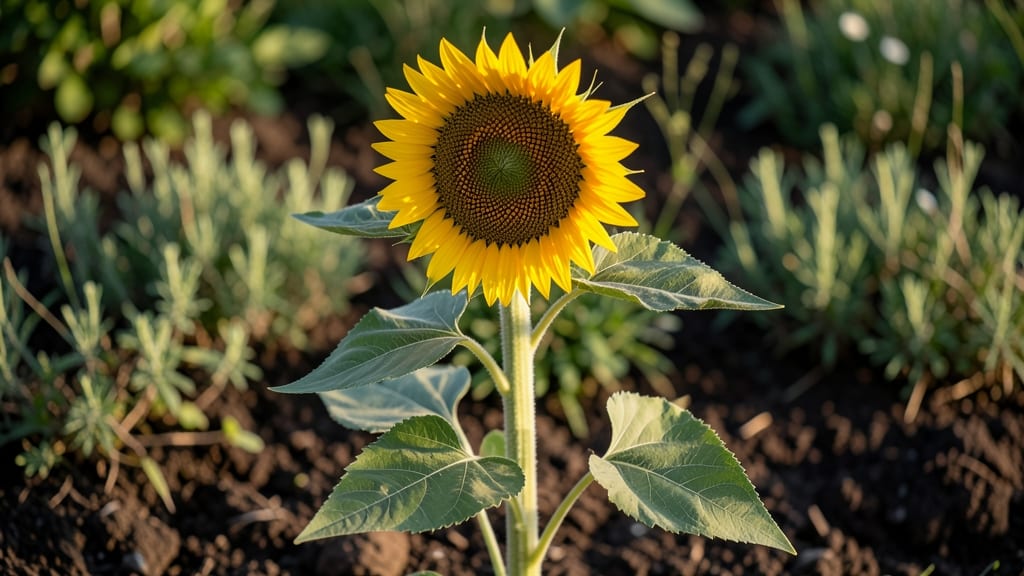
Sunflowers thrive in sunlight because they need 6 to 8+ hours of direct light daily to grow tall, produce vibrant blooms, and develop seeds.
But here’s the catch: even though they’re famous for their love of sun, some varieties handle partial shade better than others. If your garden spot isn’t as sunny as you’d like, you might still get healthy sunflowers—with a few smart adjustments.
Light isn’t just about height; it’s the key to bigger flowers and stronger stems. Too little sun leads to leggy plants and small blooms, while the right amount turns your garden into a towering, golden masterpiece.
Below, I’ll break down exactly how much light sunflowers need, which types tolerate shade, and how to give them the best shot at success—even in less-than-ideal conditions.
Whether you’re dealing with a shady corner or just curious about pushing their limits, you’ll learn how to maximize growth, avoid common mistakes, and still enjoy those iconic sunflower faces all season long.

How much sunlight sunflowers need for optimal growth
Sunflowers thrive under bright sunlight, but their growth and flower production depend heavily on how much light they receive each day. While they can tolerate some variation, 6-8+ hours of direct sunlight is ideal for maximizing their towering heights and vibrant blooms.
This isn’t just about aesthetics—sunlight directly impacts photosynthesis, which fuels their rapid growth and seed development.
Without enough light, sunflowers become leggy and weak, with smaller blooms and fewer seeds. Think of sunlight as their primary energy source: the more they get, the more efficiently they convert it into growth.
Even dwarf varieties like 'Teddy Bear' need at least 5-6 hours of sun to perform well. For giant varieties like 'Russian Mammoth,' full sun exposure is non-negotiable if you want those iconic 12-foot stalks.
Photosynthesis efficiency in sunflowers peaks under full sun. Their large, broad leaves are designed to capture maximum light, but when shaded, they struggle to produce enough energy. This leads to stunted growth and poor flowering. Even a few hours of shade can reduce their bloom size by 30-50%, and seed production may drop dramatically. If you're growing sunflowers for seeds, prioritizing sunlight is essential.
Here’s how sunlight directly affects their key traits:
- Height: Full sun = taller stems (up to 16 ft)
- Bloom size: More light = larger, showier flowers
- Seed production: Direct sunlight = higher seed yield and quality
- Stem strength: Adequate light prevents weak, floppy growth
| Sunlight Requirement | Daily Hours Needed | Growth Impact | Best For |
|---|---|---|---|
| Full Sun | 6-8+ hours | Max height, large blooms, high seed yield | Standard & giant varieties |
| Partial Sun | 4-6 hours | Slower growth, smaller blooms, fewer seeds | Dwarf varieties only |
| Low Light | <3 hours | Leggy stems, poor flowering, minimal seeds | Not recommended |
If you're planting sunflowers in containers or small gardens, position them where they’ll get the most sunlight possible. South-facing spots are ideal in the Northern Hemisphere, while north-facing areas may require reflective surfaces (like white walls or mulch) to bounce extra light onto the plants.
Even a few extra hours of sun can make a noticeable difference in their vigor.
For seed production, sunlight is critical during the flowering stage. Sunflowers need ample light to develop healthy seed heads—without it, the seeds may not mature properly. If you’re growing sunflowers for bird feed or cooking, prioritize locations with unobstructed sunlight for at least half the day.
Morning sun is especially beneficial, as it reduces moisture on the leaves, lowering the risk of fungal diseases.
In urban or shaded gardens, consider using reflective materials like aluminum foil or light-colored mulch to redirect sunlight. This trick can add 1-2 extra hours of effective light to your sunflowers.
Pairing them with taller plants on the north side (in the Northern Hemisphere) can also help shield them from harsh afternoon sun while still allowing morning light to reach their leaves.
One common mistake is assuming all sunflowers have the same light needs. Dwarf varieties like 'Moulin Rouge' are more shade-tolerant, but even they perform best with at least 5 hours of sun.
Giant varieties, however, will bolting and flowering poorly if deprived of full sun. Always check the specific variety’s requirements before planting, as some modern hybrids are bred for slightly lower light conditions.
Monitor your sunflowers for signs of light deprivation, such as:
- Stretched, weak stems reaching toward light
- Small, pale blooms instead of vibrant yellow
- Fewer seeds or underdeveloped seed heads
If you notice these, consider relocating or pruning nearby shade sources to improve their growing conditions.
Ultimately, sunflowers are sun worshippers, and their growth reflects how much light they receive. While they can adapt to partial shade, their full potential—those towering stalks and massive blooms—only unfolds under bright, direct sunlight.
Give them what they crave, and they’ll reward you with a season of golden glory.
Can sunflowers grow in partial shade? Truths and limitations
Sunflowers are sun-lovers at heart, but some varieties adapt better to partial shade than others. The key difference lies in their genetic tolerance—while most need 6+ hours of sunlight daily, certain dwarf or ornamental types can stretch their limits in 4-6 hours of filtered light.
This doesn’t mean they’ll thrive, but they might survive with adjustments.
Think of it like a trade-off: taller varieties like 'Russian Mammoth' will bolt toward the light, growing leggy and weak, while shorter types like 'Moulin Rouge' might just eke out a few small blooms.
The real question is whether you’re okay with compromises—or if you’re willing to boost their environment to compensate for the shade.
| Variety | Shade Tolerance | Expected Performance | Best For |
|---|---|---|---|
| 'Russian Mammoth' | Low (4-5 hrs max) | Leggy stems, small blooms, poor seed production | Full sun only |
| 'Moulin Rouge' | Moderate (5-6 hrs) | Dwarf growth (2-3 ft), fewer but larger blooms | Containers, borders |
| 'Teddy Bear' | Moderate (5-6 hrs) | Compact (1-2 ft), fluffy blooms, slower growth | Cut flowers, small gardens |
| 'Autumn Beauty' | Low (4-5 hrs max) | Tall but weak stems, delayed flowering | Full sun with afternoon shade |
When sunflowers don’t get enough light, they send up a few warning signs before giving up. Watch for stems stretching unnaturally tall (a sign they’re reaching for light) or leaves turning pale and sparse.
The blooms themselves may stay small and underdeveloped, or worse, fail to open at all. Even the seeds can suffer, becoming smaller and less viable if the plant struggles to photosynthesize efficiently.
To compensate for partial shade, focus on soil quality and spacing. Amend your soil with compost or organic matter to improve nutrient uptake, which helps plants make the most of limited light.
Space your sunflowers closer together (12-18 inches apart) to create a micro-climate that reflects light back onto lower leaves. A light-colored mulch can also bounce extra sunlight onto the base of the plant.
If you’re determined to grow sunflowers in shade, choose dwarf varieties and accept that they’ll be smaller and less vigorous than their sun-soaked cousins.
For best results, position them in the suniest spot possible—even if it’s just a few hours of morning light—and supplement with regular feeding to encourage stronger growth. With the right approach, you might still get a few cheerful blooms to brighten up your shadier corners.
Remember, sunflowers are not shade plants, but with patience and the right variety, you can still enjoy their beauty—just don’t expect giants. The trade-off is worth it for the color and joy they bring, even in less-than-ideal conditions. 🌻