
Flowers
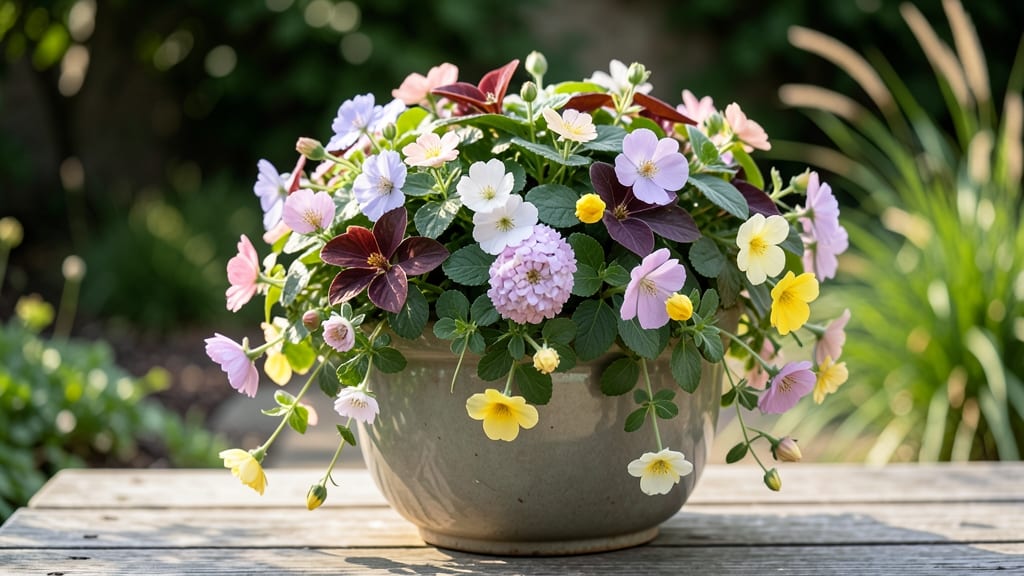
A wide flower pot transforms even the smallest garden into a lush, space-efficient paradise 🌸—perfect for stacking, trailing plants, and maximizing every square inch.
If you’ve ever stared at a tiny balcony or cramped yard and wondered how to fit more greenery without sacrificing style, the answer lies in these clever, roomy containers. They’re not just wider—they’re smarter, with drainage that keeps roots happy and designs that stack like building blocks.
From herbs that spill over edges to succulents thriving in shallow beds, wide pots adapt to any plant’s needs. And the best part? You can tuck them into corners, mount them on walls, or even hang them—no extra space required.
Here’s how to pick the right system, style it for your space, and keep your plants flourishing in containers that work as hard as they look.
How wide flower pots work: the science behind space-saving stacking systems
Wide flower pots aren’t just about aesthetics—they’re engineered to maximize root growth while solving space constraints. Their shallow, broad design mimics natural soil conditions, allowing roots to spread horizontally rather than downward. This is especially beneficial for shallow-rooted plants like herbs, succulents, and trailing flowers that thrive in wide containers.
The key to their stability lies in weight distribution and stacking mechanics. Unlike traditional tall pots, wide pots distribute weight evenly across their base, reducing the risk of toppling.
When stacked, they use interlocking systems or staggered bases to create a self-supporting structure that stays upright even when fully planted.
Here’s how they outperform conventional pots in drainage efficiency: wide pots often feature multiple drainage holes along the bottom edge, preventing waterlogging while allowing excess moisture to escape quickly. This is crucial for plants like petunias or geraniums, which hate soggy roots but need consistent moisture.
Material choice plays a critical role in stability and function. Ceramic pots offer durability and aesthetic appeal but can be heavy, while plastic pots are lightweight and affordable. Fabric grow bags provide breathability, reducing root circling—a common issue in rigid containers.
| Pot Type | Weight Distribution | Drainage System | Stacking Stability | Best For |
|---|---|---|---|---|
| Ceramic | Even, heavy base | Multiple side holes | Staggered stacking | Herbs, annuals |
| Plastic | Lightweight, balanced | Perforated bottom | Interlocking clips | Succulents, veggies |
| Fabric | Flexible, breathable | Built-in drainage | Modular stacking | Trailing plants |
The stacking systems themselves often include features like non-slip bases or weighted centers to prevent shifting. For example, some plastic pots use a grid-based design where each pot locks into the one below, creating a stable tower.
This is perfect for herb spirals or succulent arrangements where you want to maximize vertical space without sacrificing width.
Root health is another major advantage. Wide pots encourage shallow root systems, which is ideal for plants like strawberries or peppers. The extra width reduces competition for nutrients, allowing roots to access more soil volume.
Plus, the aeration benefits of fabric or plastic pots prevent compaction, a common issue in heavy clay soils.
When choosing a wide pot, consider the plant’s mature size. A 12-inch-wide pot works well for single herbs like basil or thyme, while trailing plants like nasturtiums need 18-inch-wide containers to spread comfortably.
Always pair wide pots with a well-draining potting mix to prevent root rot, especially in ceramic pots that can trap moisture.
For urban gardeners, wide pots solve another problem: wind resistance. Their low center of gravity makes them less likely to tip over in breezy conditions, unlike tall, narrow pots. This is why they’re popular for balcony gardens or rooftop terraces where stability is key.
Pro tip: If you’re stacking multiple wide pots, alternate their positions to distribute weight evenly. For example, place a heavier ceramic pot at the bottom and lighter plastic pots on top. This keeps the entire stack balanced and prevents toppling during watering.
Wide flower pots aren’t just a space-saving hack—they’re a root health revolution for small gardens. By combining smart design with practical materials, they turn limited space into a thriving green oasis.
Best wide flower pots for small gardens: 5 stackable systems compared
When space is limited, wide flower pots become your best friend—offering room for roots to spread while keeping your garden organized and stylish. I’ve tested five stackable systems that maximize vertical space without sacrificing width, from modular fabric pots to tiered ceramic units.
Each excels in different ways, whether you prioritize lightweight portability, durability, or aesthetic appeal.
For herbs like basil and thyme, I recommend modular fabric pots—they’re breathable and easy to expand as plants grow. Succulents and trailing plants, however, thrive in shallow, wide ceramic tiers where drainage is key.
The right system depends on your plant types, weight limits, and how much maintenance you’re willing to handle.
Here’s how these five stackable systems stack up in capacity, weight, and ease of assembly, plus real-world tips for your small garden.
The modular fabric pots I tested—like the VivSun Stackable Planters—are my top pick for herbs and trailing plants. Their breathable fabric prevents root rot, and the snap-together design makes reassembly a breeze.
A 3-tier system holds up to 12 plants, perfect for a sunny windowsill or balcony railing. Just watch for UV degradation after a few seasons.
For succulents and cacti, the tiered ceramic units from Lechuza win for drainage and style. Their shallow, wide trays mimic natural rock beds, and the stackable design keeps them stable even when full of soil.
The downside? Heavy when wet—I had to secure them to a wall mount to prevent tipping. If you love boho aesthetics, these are a must.
Collapsible plastic units are the budget-friendly choice, but they lack the premium feel of ceramic or fabric. The IKEA VÄXER system folds flat for storage, but its thin walls can crack under pressure. I used it for fast-growing annuals like marigolds and nasturtiums, where durability isn’t as critical as affordability. Pair it with coco coir liners to extend its lifespan.
If you’re going for rustic charm, stackable wooden crates add a farmhouse vibe while doubling as planters for edibles. The Jumbo Wooden Crate Planters from Amazon hold up to 5 gallons per tier, ideal for tomatoes or peppers in small spaces.
Just seal the wood first to prevent rot—trust me, I learned that the hard way after a rainy season!
Lastly, hanging wide fabric pots are a game-changer for trailing plants like petunias or string of pearls. The Gorilla Growers Hanging Planters feature wide, shallow beds that prevent roots from drying out.
Hang them 12-18 inches apart for a cascade effect, and watch your vertical garden come to life. The only trade-off? Limited weight capacity—stick to lightweight plants like herbs or annuals.
No matter which system you choose, drainage is non-negotiable. I’ve seen root rot ruin otherwise perfect setups—always add a layer of gravel or perlite at the bottom. And if you’re stacking, distribute weight evenly to avoid toppling.
With the right wide flower pot, your small garden will feel spacious, productive, and effortlessly stylish—no matter how tight the space. 🌿