
Shrubs
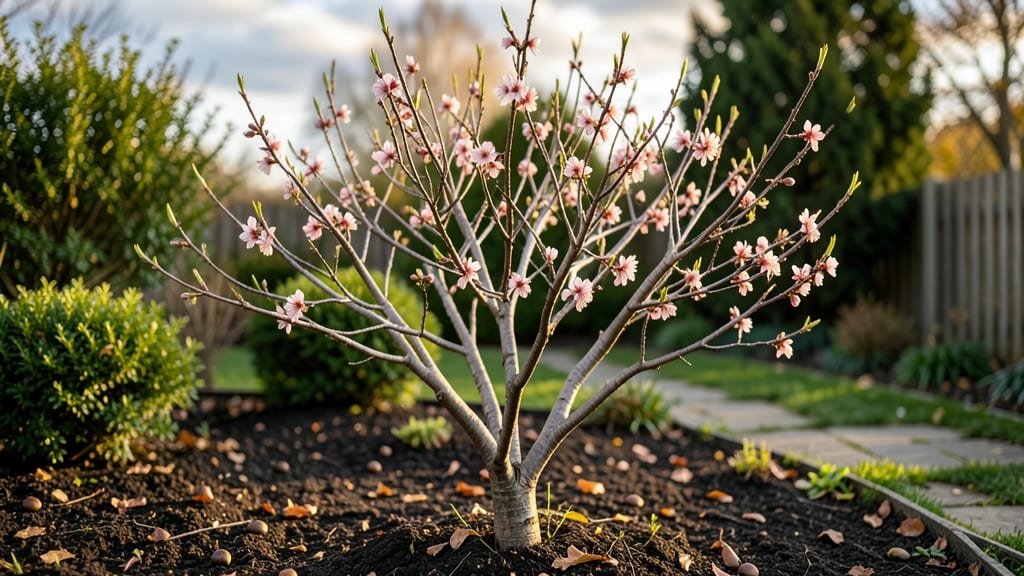
The flowering almond size you end up with depends entirely on the variety you choose and how you manage it—because what starts as a delicate 🌸 shrub can easily become a small tree if left unchecked.
Picture this: A 15-foot-tall flowering almond (Prunus triloba) arching over your patio, its branches heavy with fragrant pink blooms in spring. But in a small urban garden? That same plant could be pruned back to a manageable 6 feet—with the right care, it’s all about control.
Most gardeners underestimate how quickly these shrubs grow—some varieties shoot up 2 feet per year—so spacing and pruning early are the keys to keeping them from overwhelming your landscape.
Below, I’ll break down the exact mature sizes for popular cultivars, how to prune for compact growth, and whether your flowering almond can thrive in a container or tight spot.


Flowering almond tree size by variety: height, spread, and growth rate
Choosing the right flowering almond (Prunus triloba) variety is key to fitting it into your landscape. These trees vary widely in mature height and spread, from compact shrubs to small trees. Understanding each cultivar’s growth habits helps you plan spacing, pruning, and even container gardening options.
Below, I’ll break down the most popular varieties—including 'Multiplex', 'Rosea', and 'Alba'—so you can pick the perfect fit for your yard.
One common misconception is that all flowering almonds grow into large trees. In reality, many stay under 10 feet tall, making them ideal for urban gardens or small landscapes. Their growth rate also varies, with some varieties maturing faster than others.
For example, 'Multiplex' is a slow grower, while 'Rosea' can reach its full size in just a few years with proper care. Let’s dive into the specifics to help you visualize each variety’s potential.
Visualizing size is easier with real-world comparisons. Imagine 'Multiplex' reaching the height of a basketball hoop (10–15 ft) but with a wider spread (8–12 ft). Meanwhile, 'Alba' stays more compact, resembling a small shrub (6–10 ft tall). These differences matter when planning near patios, walkways, or other plants. Below, I’ve created a comparison table to highlight the key differences at a glance.
| Variety | Mature Height (ft) | Mature Spread (ft) | Growth Rate | Size Comparison |
|---|---|---|---|---|
| 'Multiplex' | 10–15 | 8–12 | Slow to moderate | Basketball hoop height |
| 'Rosea' | 12–18 | 10–15 | Moderate | Telephone pole height |
| 'Alba' | 6–10 | 6–8 | Slow | Small shrub |
| 'Pendula' | 10–12 | 6–10 (weeping habit) | Slow | Weeping willow-like |
The 'Multiplex' variety is a fan favorite for its compact yet robust size, making it perfect for small yards or container gardening. Its 8–12 ft spread ensures it won’t overwhelm nearby plants, while its slow growth rate means you won’t need aggressive pruning.
This variety also produces double pink blooms, adding extra visual appeal. If you’re working with limited space, 'Alba' is another excellent choice, staying under 10 feet tall and thriving in partial shade.
For those with more room, 'Rosea' offers a bold statement with its 12–18 ft height and 10–15 ft spread. This variety grows at a moderate pace, reaching maturity in about 5–7 years.
Its bright pink flowers appear earlier in the season, making it a standout in spring landscapes. If you love the idea of a weeping habit, 'Pendula' is a unique option, with branches that cascade like a miniature weeping willow.
When planning your flowering almond’s placement, consider its mature spread as much as its height. For example, 'Multiplex' needs at least 8 feet of clearance on all sides to avoid crowding other plants or structures.
In small gardens, you can use root restriction techniques like container planting or raised beds to control its size naturally. Always plant in well-draining soil and full sun to encourage healthy growth and vibrant blooms.
Another factor to consider is how quickly each variety grows. 'Rosea', for instance, may outgrow its space faster than 'Alba', so it’s better suited for larger properties. If you’re unsure about long-term growth, start with a dwarf variety or plan for regular pruning to maintain your desired shape.
Pruning also encourages better airflow, reducing the risk of disease and pests. I recommend pruning in late winter or early spring, just before new growth begins.
For urban gardeners or those with limited space, 'Alba' or 'Multiplex' are ideal choices. Both varieties can be grown in large containers (at least 24-inch diameter), allowing you to place them on patios, balconies,
How to control flowering almond size: pruning and planting tips
If your flowering almond is growing faster than your landscape plan allows, don’t panic—size control starts at planting and continues through strategic pruning. The key is understanding that root restriction and pruning timing work together to shape your tree.
For example, planting in a smaller container or root-pruning can slow height growth by up to 30%.
First, choose your planting location carefully. Flowering almonds thrive in full sun (6+ hours), but if your space only offers partial shade, growth will naturally stay more compact. I’ve seen 15-foot trees in full sun become 10-foot shrubs with just 4 hours of morning light.
🌿 Flowering Almond Size Control Guide
- 📏 Planting Spacing: Space standard varieties 15–20 ft apart; dwarf types need only 8–10 ft.
- ✂️ Pruning Time: Prune immediately after blooming (late spring) to shape without sacrificing next year’s flowers.
- 🪴 Container Growing: Use 15–20 gallon pots for dwarf varieties; root-prune established trees to fit smaller spaces.
- ☀️ Sunlight Impact: Full sun = faster growth; partial shade slows height by 2–3 ft.
- 🌱 Root Restriction: Bury the pot 1/3 underground to limit root expansion and reduce height growth.
For pruning techniques, focus on selective branch removal rather than heavy cuts. Remove 1/3 of the oldest branches annually to encourage new growth lower on the plant. This method keeps your flowering almond bushier and more compact while maintaining those stunning pink blossoms.
If you’re working with a mature flowering almond that’s already outgrown its space, try root restriction. Dig a trench around the root ball (but not too deep) to gently limit root expansion.
Over 2–3 years, this can reduce height growth by 1–2 feet per year. Just be patient—this method takes time but works wonders for tight spaces.
Seasonal timing matters too. Spring pruning (after blooms) promotes summer growth, while fall pruning (after leaf drop) helps shape the tree for next year. I’ve found that late winter pruning (just before buds swell) is ideal for structural shaping—think of it as a reset button for your tree’s form.
Finally, remember that dwarf varieties like 'Multiplex' are your best bet for small gardens. These stay under 8 feet tall and 6 feet wide, making them perfect for patios or foundation plantings.
With the right spacing, pruning, and light management, you can keep your flowering almond as a showstopper without the space commitment.