
Flowers
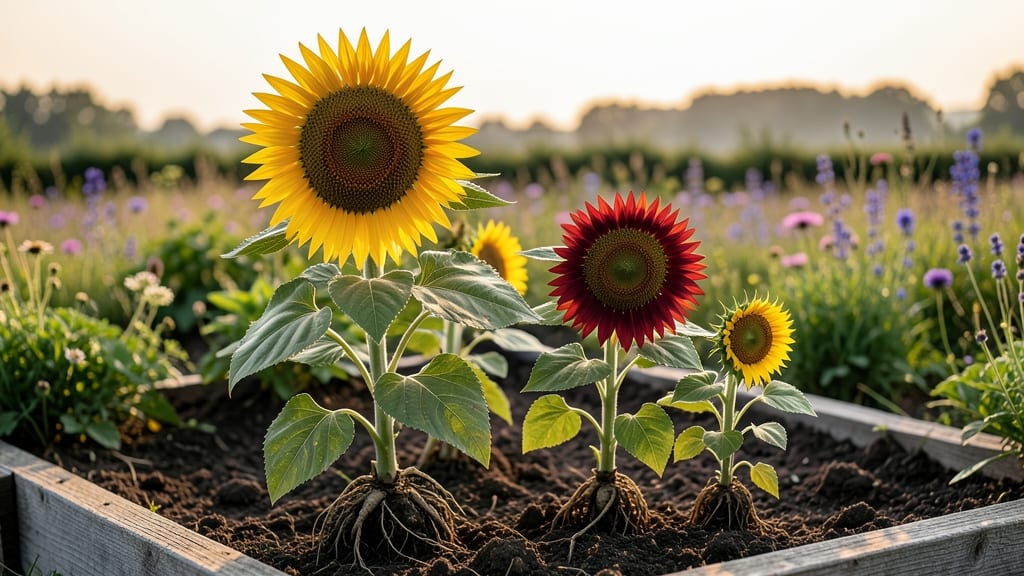
Sunflowers grow to heights that can range from just a few feet to over 16 feet tall, depending on the variety and growing conditions — and choosing the right size for your garden makes all the difference.
Imagine planting a sunflower that towers over your fence or one that fits perfectly in a container on your patio. The difference isn’t just about space—it’s about the impact they bring to your garden.
Some varieties stay compact, while others grow so tall they become the centerpiece of any outdoor space.
In this guide, I’ll break down the height ranges of sunflowers, from dwarf varieties that stay under 3 feet to giants that reach skyward. You’ll also learn how factors like sunlight, soil, and spacing affect their growth, so you can pick the perfect sunflower for your garden layout.
Whether you’re a beginner or a seasoned gardener, understanding these differences will help you create a stunning display that thrives all season long.


Sunflower height by variety: from dwarf to giant sizes
Sunflowers aren’t one-size-fits-all—their mature heights can vary from under 2 feet to over 16 feet, making them incredibly versatile for any garden. The variety you choose determines whether your sunflowers will be a charming border plant or a dramatic focal point.
For example, some dwarf varieties stay under 3 feet, perfect for containers, while giant varieties can reach heights that rival small trees.
Understanding these height differences helps you plan your garden layout, avoid overcrowding, and create the visual impact you want. Whether you’re working with a small urban balcony or a spacious rural plot, selecting the right sunflower height ensures your plants thrive without competing for space or resources.
Below, I’ve categorized sunflowers by height—dwarf, standard, giant, and mammoth—along with their ideal growing conditions and best uses. This breakdown will help you visualize how each variety fits into your garden design and which types are best suited for your available space.
If you’re growing sunflowers in containers or small spaces, dwarf varieties like 'Teddy Bear' (just 1-2 feet tall) are ideal. These compact sunflowers produce bright, cheerful blooms without taking up much room, making them perfect for patios or balconies.
Their smaller stature also means they require less support, though a small stake can help keep them upright in windy conditions.
For gardeners with larger plots or rural settings, giant varieties like 'Russian Mammoth' can reach 12-16 feet tall. These towering sunflowers create a dramatic focal point and attract pollinators like bees and butterflies.
However, their massive size means they need plenty of space—plant them at least 4 feet apart to avoid shading smaller plants and ensure they have room to grow.
Standard sunflowers, such as 'Mammoth' or 'Russian Giant,' typically grow between 6-10 feet tall. These are versatile choices for cut flower gardens or as backdrop plants in mixed borders. They strike a balance between height and manageability, making them a popular pick for both beginner and experienced gardeners.
One key factor to consider when selecting sunflower varieties is their growth habit. Some varieties, like 'Autumn Beauty,' have branching stems that produce multiple blooms, while others, like 'Teddy Bear,' grow as single-stemmed plants. Branching varieties can fill space more efficiently, while single-stemmed types often produce larger, showier flowers.
When planting sunflowers, always check the spacing recommendations for your chosen variety. Overcrowding can lead to stunted growth or disease, while proper spacing ensures each plant gets enough sunlight and nutrients.
For example, dwarf varieties need only 12-18 inches between plants, while mammoth varieties require 4-5 feet of space to thrive.
Another tip: if you’re growing sunflowers for cut flowers, taller varieties like 'Russian Giant' or 'Mammoth' will give you long-lasting stems perfect for bouquets. For edible seeds, larger varieties often produce more seeds per head, but even dwarf varieties like 'Autumn
Factors that influence sunflower growth size (beyond variety)
While sunflower varieties determine their genetic height potential, real-world growing conditions can push them taller—or stunt their growth—by 30% or more. Even identical seeds planted side by side may produce dramatically different heights due to environmental factors.
Understanding these influences helps you maximize growth (or control it) for your garden’s needs.
Sunflowers thrive in full sun exposure, but even slight variations in sunlight can shrink their height. For example, a 12-foot giant variety might only reach 8 feet if planted in partial shade.
Similarly, poor soil quality or inconsistent watering can reduce mature height by up to 50% compared to ideal conditions.
⚠️ callout-warning ⚠️
Beyond sunlight, soil fertility plays a critical role. Sunflowers are heavy feeders, and nitrogen-rich soil fuels rapid stem elongation. A lack of phosphorus or potassium, however, can limit root development, capping height at half its potential. For instance, a 10-foot variety might only grow to 5 feet without proper fertilization.
Spacing also affects height—plants grown too closely compete for nutrients and sunlight, often resulting in leaning stems and reduced growth. Follow variety-specific spacing guidelines: 12-18 inches apart for dwarfs, 2-3 feet for standard types, and 3-4 feet for giants. Proper spacing ensures sturdy stems and full height potential.
Climate matters too. Cool temperatures slow growth, while hot, dry conditions can stress plants, leading to shorter stature. In regions with short growing seasons, sunflowers may not reach their full height before frost.
For example, in Zone 5 or colder, giant varieties might max out at 8-10 feet instead of 12-14 feet.
Finally, watering habits directly impact height. Deep, consistent watering encourages strong root systems and tall growth, while surface watering or drought stress can shrink stems by 30% or more. Aim for 1-2 gallons per plant weekly, increasing during flowering to support height gains.