
Propagation
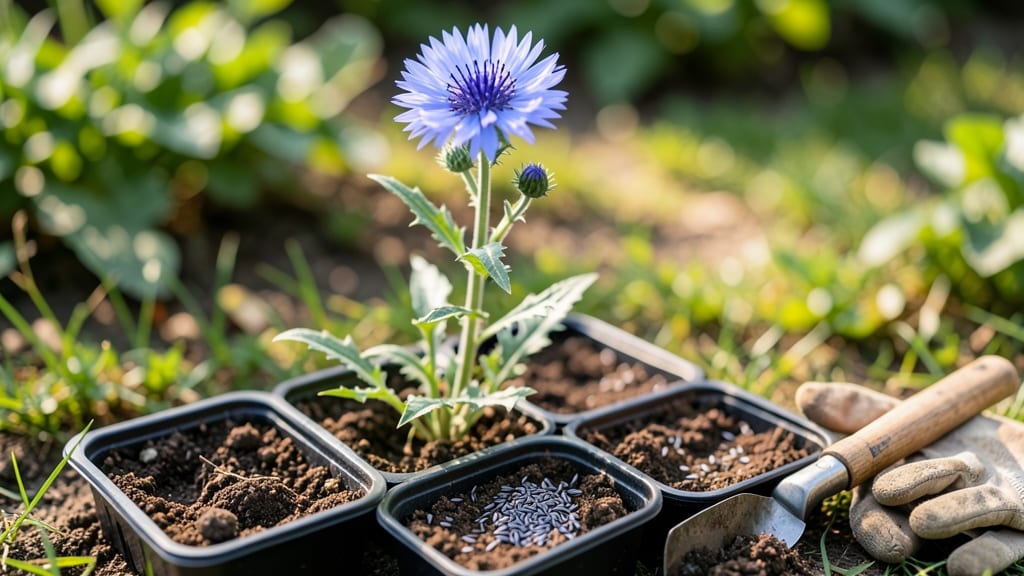
Wondering how long do cornflowers take to grow from seed? These fast-growing annuals burst into vibrant blue blooms in just 60 to 90 days, making them one of the quickest ways to add color to your garden 🌼.
Dreaming of a burst of sky-blue blooms in your garden? Cornflowers are one of the fastest-growing annuals, offering vibrant color with minimal effort—but timing is everything. If you’ve ever wondered how quickly these cheerful flowers transform from tiny seeds into towering stems, you’re in the right place.
From the first green sprouts peeking through the soil to the bold blue blooms swaying in the breeze, cornflowers follow a predictable timeline when given the right conditions.
With the right soil, sunlight, and care, you could see those first petals unfurling in as little as 8 weeks—or stretch it out to 12 weeks for a more extended display.
Here’s what you need to know to speed up germination, avoid common pitfalls, and enjoy a garden bursting with color by summer. We’ll cover everything from seedling stages to full bloom, plus pro tips to get those flowers 2-3 weeks sooner.


Cornflower growth timeline: seed to bloom in 7 key stages
Cornflowers (Centaurea cyanus) are a gardener's dream—they grow fast, thrive with minimal fuss, and reward you with stunning sky-blue blooms in just a few months.
From the moment you drop those tiny seeds into the soil, their journey to full bloom unfolds in 7 distinct stages, each with its own timeline and care needs. Understanding these phases helps you predict blooming dates and troubleshoot delays before they happen.
Most cornflower varieties take between 60 to 90 days from seed to bloom, but ideal conditions can shave off weeks. Full sun exposure and consistent moisture are the secret weapons for faster growth. Let’s break down each stage, including the days to expect and what your plants need to thrive.
In Stage 1: Germination, those tiny seeds sprout in just 5–14 days when soil temperatures hover around 60–75°F. The key here is consistent moisture—never let the soil dry out completely, but avoid waterlogging, which can drown seeds.
Place a clear plastic dome or row cover over seedlings to retain humidity until sprouts appear.
By Stage 2: Seedling (days 10–14), your cornflowers will sport their first cotyledon leaves (the tiny, rounded leaves that appear before true foliage). This is the perfect time to thin seedlings to 12–18 inches apart to prevent overcrowding.
Use sharp scissors to snip unwanted plants at soil level—this reduces transplant shock compared to pulling.
During Stage 3: Vegetative Growth (days 21–30), your cornflowers will develop their true leaves and start putting on height.
This phase is all about leafy growth, so focus on providing 6+ hours of sunlight daily and watering at the soil level (not overhead) to prevent fungal diseases like powdery mildew.
As they enter Stage 4: Stem Elongation (days 14–21), cornflowers begin their rapid upward climb. Tall varieties may need staking or support to prevent flopping, especially in windy conditions.
Reduce fertilizer applications now—too much nitrogen can delay flowering. Instead, let them focus their energy on stem strength and bud development.
The magic happens in Stage 5: Bud Formation (days 10–14), where those tight, green buds begin to swell with color. This is your cue to monitor for pests, particularly aphids, which love to cluster on new growth.
Factors that speed up or Slow down cornflower germination and growth
Cornflowers thrive when you match their natural growing conditions, but even small changes in your garden can double or halve their growth speed.
The right soil mix, temperature range, and watering routine can get you blooms in as little as 60 days, while poor conditions may stretch that to 12+ weeks. Let’s break down what makes the biggest difference.
First, soil temperature is the #1 factor for germination. Cornflower seeds need soil that’s at least 60°F (15°C) to sprout consistently. If your spring soil is still chilly (<55°F/13°C), germination can take 2-3 weeks longer.
I’ve seen seeds planted in 50°F (10°C) soil take up to 30 days just to crack through the surface—frustrating when you’re eager for those blue spikes!
Next, moisture levels play a surprising role. While cornflowers are drought-tolerant once established, their seeds need consistent dampness (not soggy) to germinate. Overwatering can cause seeds to rot, while uneven moisture may leave patches of bare soil.
Aim for 1 inch of water per week during germination, keeping the soil evenly moist like a wrung-out sponge.
⚠️ WARNING: Common Germination Delays & Fixes ⚠️
- Cold soil (<55°F/13°C): Wait until soil warms to 60°F+ or use a seedling heat mat.
- Dry soil: Seeds need constant moisture—cover with plastic wrap until sprouts appear.
- Old seeds (>2 years): Test viability by soaking in water—sinkers sprout, floaters won’t.
Don’t overlook sunlight exposure, even though cornflowers love full sun. Seedlings need indirect light at first—too much direct sun can scorch tiny leaves and stunt growth. Once they’re 2 inches tall, move them to 6+ hours of sun daily.
I’ve seen seedlings in partial shade grow 30% slower than those in full sun, with paler stems and fewer blooms.
Another speed booster is soil type. Cornflowers prefer well-draining, slightly alkaline soil (pH 6.0-7.5). Heavy clay or waterlogged soil can delay germination by 10+ days and cause root rot.
Amend your soil with compost or sand if it’s dense. I mix in 20% perlite for faster drainage—this helps seeds sprout 2-3 days sooner in my experience.
Finally, crowding slows growth dramatically. Seeds planted too close together (less than 6 inches apart) compete for nutrients, resulting in taller but thinner stems and smaller blooms.
Thin seedlings to 12-18 inches apart when they’re 3 inches tall—this gives each plant room to double its growth rate in the next 4 weeks.
By tweaking just these 5 factors, you can cut blooming time by 2-3 weeks or troubleshoot delays that leave you waiting months for color. Start with soil warmth and moisture, then move to sunlight and spacing—your cornflowers will thank you with bold blue spikes by midsummer! 🌿