
How To
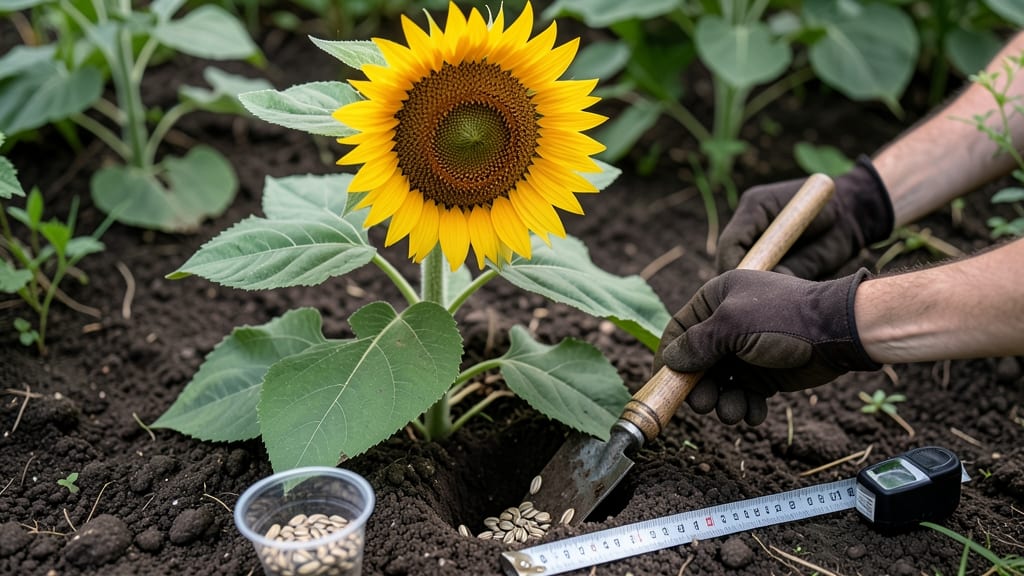
Planting one or two sunflower seeds per hole is the key to strong stems and vibrant blooms 🌻 — but get it wrong, and you risk weak plants or wasted seeds.
Picture this: you’ve cleared your garden bed, the soil is rich, and you’re ready to sow your sunflower seeds. But how many should you drop into each hole?
Too few, and you’ll end up with sparse rows. Too many, and your plants will compete for nutrients, leaving you with floppy stems instead of towering giants.
Most gardeners swear by two seeds per hole for better germination rates, but there’s a trick to spacing and depth that makes all the difference. Whether you’re growing dwarf varieties or giants reaching for the sky, the right technique ensures your sunflowers thrive from the start.
In this guide, I’ll break down the exact number of seeds to plant, the ideal depth for strong roots, and how to avoid common mistakes that sabotage growth. By the end, you’ll know exactly how to set your sunflowers up for success — no guesswork required.
The exact number of sunflower seeds per hole for maximum growth
Sunflowers are nature's skyscrapers, reaching heights of 10+ feet when given the right start. But the foundation of those towering stems begins with a simple decision: how many seeds per hole.
Most gardeners assume "one seed equals one plant," but science shows that planting two seeds per hole often yields stronger, more reliable growth—if done correctly.
The key lies in understanding sunflower seed germination rates, which typically hover around 80-90% for fresh seeds. Planting two seeds gives you a backup if one fails to sprout, but proper spacing and thinning are critical to avoid competition.
Overcrowding leads to weak stems, disease spread, and reduced sunlight exposure—all of which stunt your sunflowers' potential.
Let’s break down the optimal planting ratios for different sunflower varieties, including soil depth guidelines and spacing rules to maximize your blooms’ height and health.
Whether you're growing dwarf varieties (2-5 ft) for containers or giant sunflowers (10-16 ft) for show-stopping displays, these science-backed tips will set your plants up for success.
For dwarf varieties, planting just one seed per hole is ideal because their compact size means they won’t outgrow their space. The 6-12 inch spacing allows sunlight to reach all plants evenly, preventing the leggy, weak stems that result from shade competition.
These varieties thrive in containers, making them perfect for balconies or small gardens.
When growing semi-dwarf or standard sunflowers, the two-seed method shines. Sunflower seeds don’t always germinate perfectly—old seeds, poor soil moisture, or temperature fluctuations can reduce success rates. Planting two seeds gives you a 99% guarantee of at least one strong seedling.
After germination, thin to the healthiest seedling, using sharp scissors to avoid disturbing roots.
The 18-24 inch spacing for larger varieties isn’t just about aesthetics—it’s a disease prevention strategy. Crowded sunflowers trap moisture, creating the perfect conditions for powdery mildew and rust fungus.
Proper airflow also ensures each plant gets 6-8+ hours of sunlight, which is critical for photosynthesis and stem strength. Without enough light, sunflowers grow tall but weak and prone to toppling.
Depth matters just as much as spacing. Plant seeds 1-2 inches deep, depending on soil type. In sandy soil, which drains quickly, aim for the upper end (1.5-2 inches) to keep moisture near the seed.
In clay or loamy soil, 1 inch deep is sufficient because these soils retain moisture better. Press the soil gently around the seeds to ensure good seed-to-soil contact, which encourages even germination.
One common mistake is planting seeds too shallowly, which can lead to weak stems and poor anchorage. Shallowly buried seeds may also dry out faster, especially in hot climates. On the flip side, planting too deep can delay germination because the seed struggles to push through dense soil.
The 1-2 inch rule strikes the perfect balance for most sunflower varieties.
If you’re growing sunflowers in containers or raised beds, adjust your approach slightly. Since space is limited, stick to one seed per hole and use larger pots (at least 5 gallons) for standard varieties. In-ground planting gives you more flexibility, but containers work beautifully for dwarf
Sunflower seed planting depth tricks to prevent weak stems
Sunflower stems need strong foundations, and that starts with the right planting depth. Too shallow, and seeds dry out; too deep, and they struggle to reach the surface.
The ideal depth for sunflower seeds is 1 to 2 inches below soil level, but there’s more to it than just digging a hole.
Think of it like building a skyscraper: you need a solid base. For sunflowers, that means loose, well-draining soil packed gently around the seed. Pressing too firmly can compact the soil, making it harder for roots to push through.
Instead, use your finger to create a small dimple, drop the seed in, and cover it with a light layer of soil—just enough to shield it from birds but not suffocate it.
Here’s the trick most gardeners miss: after planting, give the soil a light watering to settle it around the seed. This ensures consistent moisture without displacing the seed. Overwatering now can cause seeds to rot, but a gentle drink helps them stay in place while they germinate.
Planting more than 2 seeds per hole may seem like a good backup, but it leads to competition. Only 1-2 seeds per hole gives each plant enough room to develop a sturdy stem. If you planted extra, thin seedlings to 1 plant per hole once they’re 2-3 inches tall.
🌱 Pro Tip: Use a small hand trowel to gently loosen soil before planting—this prevents compaction and helps roots spread.
Another common mistake? Planting seeds too close together. Even with the right depth, spacing matters. Dwarf varieties need 6-12 inches between holes, while standard sunflowers should have 18-24 inches of space. This airflow prevents fungal diseases and gives stems room to grow straight and strong.
For extra support, especially in windy areas, consider adding a stake or cage at planting time. Bury it lightly beside the seed, so it’s ready to guide the stem as it grows. This small step can turn floppy stems into sturdy giants by providing early support.
Finally, monitor soil moisture after planting. Sunflower seeds need consistent moisture to germinate, but once sprouted, they’re surprisingly drought-tolerant. Mulch around the base with straw or grass clippings to retain moisture and keep roots cool—this is the final trick to prevent weak stems from the start.