
Light Requirements
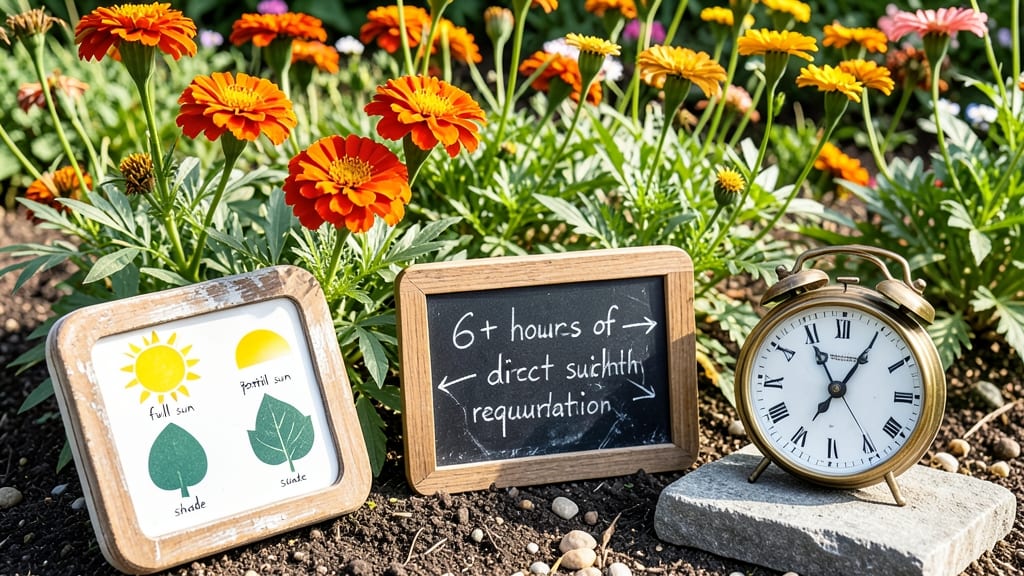
Flowers need sunlight to bloom beautifully, and the right amount makes all the difference—too little and they languish, too much and they burn.
Struggling to keep your garden vibrant? Most flowers crave 6+ hours of direct light daily, but some, like impatiens, thrive in shade. The key is matching your blooms to their natural light preferences, whether you're in a sunny border or a dappled woodland garden.
In this guide, I’ll break down the exact light needs for popular flowers, how to measure sunlight in your space, and how to fix common issues like leggy stems or faded petals—so you can enjoy a garden bursting with color.
From sun-loving roses to shade-tolerant ferns, you’ll learn how to give every flower exactly what it needs to flourish.

Sunlight requirements for popular flowers: full sun vs. partial shade
Understanding how much sunlight your flowers need is the secret to a thriving garden. Full sun typically means 6+ hours of direct sunlight daily, while partial shade ranges from 3-6 hours with dappled light.
The wrong amount can lead to weak stems, sparse blooms, or even plant death. Let’s break down the exact needs for your favorite flowers so you can place them perfectly in your garden.
Sunlight isn’t just about hours—it’s also about light intensity and seasonal adjustments. In summer, the sun is harsher, so flowers may need afternoon shade. In winter, even north-facing spots can get enough light for shade-loving plants. Knowing these nuances helps you create a garden that blooms beautifully year-round.
Here’s a quick guide to common sunlight terms:
- Full Sun: 6+ hours of direct sunlight
- Partial Shade: 3-6 hours of sunlight (morning sun + afternoon shade)
- Partial Sun: 3-6 hours of sunlight (afternoon shade preferred)
- Full Shade: Less than 3 hours of sunlight
Roses are classic full-sun lovers, needing 6+ hours of direct sunlight to produce abundant blooms. Place them in a south-facing bed where they’ll bask in morning light and avoid the scorching afternoon rays. In hot climates, a lightweight shade cloth can prevent leaf burn while still allowing airflow.
Sunflowers thrive in open, sunny spaces with 6-8 hours of sunlight. They’re perfect for large containers or backyard borders. If growing in pots, rotate them weekly so all sides get equal light, preventing lopsided growth. In cooler regions, they’ll tolerate partial sun but may produce fewer blooms.
Impatiens and ferns are the shade-loving stars of any garden. Impatiens need 3-6 hours of filtered light and will wilt in full sun. Ferns, on the other hand, prefer consistent shade and thrive under trees or on north-facing walls. Both love moist, well-draining soil—mulch heavily to keep roots cool.
Seasonal adjustments are key. In summer, afternoon shade can save sun-loving plants from wilting. Use reflective surfaces like white gravel or light-colored mulch to bounce extra light onto shade areas. In winter, even north-facing spots may get enough light for shade plants, so don’t rush to move them.
For container gardens, mobility is your best friend. Move pots throughout the day to balance light exposure. For example, place geraniums (full sun) in the sunniest spot by 10 AM but shift them slightly by afternoon if temperatures soar. This simple trick can extend their blooming season by weeks.
Mulching isn’t just for weeds—it’s a sunlight regulator. A 3-inch layer of mulch keeps soil temperatures stable, reducing the risk of root burn in full-sun plants. For shade lovers, it retains moisture longer, which is critical when they’re not getting direct sunlight to dry out excess water.
Pro tip: Observe your garden’s microclimates. A spot next to a brick wall may get 2-3 extra hours of sun due to reflected heat. Use this to your advantage by placing partial-sun plants like lilies or coleus in these warmer zones.
By matching your flowers to their ideal sunlight conditions, you’ll enjoy
How to measure and adjust sunlight exposure for your flower garden
Measuring sunlight in your garden isn’t just guesswork—it’s the key to unlocking vibrant blooms. Without knowing exactly how much light each spot receives, you risk overwatering shade-lovers or scorching sun-worshippers.
Start by observing your yard throughout the day, especially during peak sunlight hours (10 AM–4 PM). Note how shadows shift and which areas stay brightest.
For precise measurements, use a light meter or even your smartphone app (like Sun Surveyor) to track lux levels. Full sun typically measures 10,000–25,000 lux, while partial shade drops to 1,000–10,000 lux. Urban gardens often trickier—buildings and trees can block 50%+ of sunlight by afternoon.
⚠️ callout-warningFull sun (6+ hours) is critical for roses, sunflowers, and lavender, but over 8 hours can cause leaf burn. Partial shade (3-6 hours) suits impatiens and begonias, while full shade (<3 hours) is ideal for hostas and ferns. Misjudging by even 1-2 hours can stunt growth or trigger pests like spider mites.
Pro Tip: East-facing spots get gentler morning sun, while west-facing areas bake in intense afternoon heat. Adjust planting accordingly!
If your garden lacks natural light, try reflective surfaces like white gravel or mirrors to bounce extra light onto shade areas.
For containers, rotate pots every few weeks to ensure even exposure. Dwarf varieties of sun-loving plants (like mini sunflowers) can thrive in partial shade, while tall perennials can provide shade for smaller plants below.
Troubleshooting urban shade? Prune overhanging branches in winter (when trees are dormant) to let more light reach your garden. Group shade-tolerant flowers together—like coleus and caladiums5-foot difference in elevation can change sunlight exposure by 30%.
Seasonal shifts matter too. Summer solstice delivers 15% more sunlight than spring, while winter days may drop to half the light**. Adjust mulch depth—thicker layers insulate roots in winter but can overheat soil in summer. Use light-colored mulch to reflect extra heat away from delicate blooms.
Test your adjustments by tracking blooms for 4-6 weeks. If stems stretch toward light (etiolation) or flowers fade quickly, you’ve got the wrong balance. The goal? Healthy foliage + abundant blooms—proof you’ve cracked the sunlight code! 🌿