
Planting
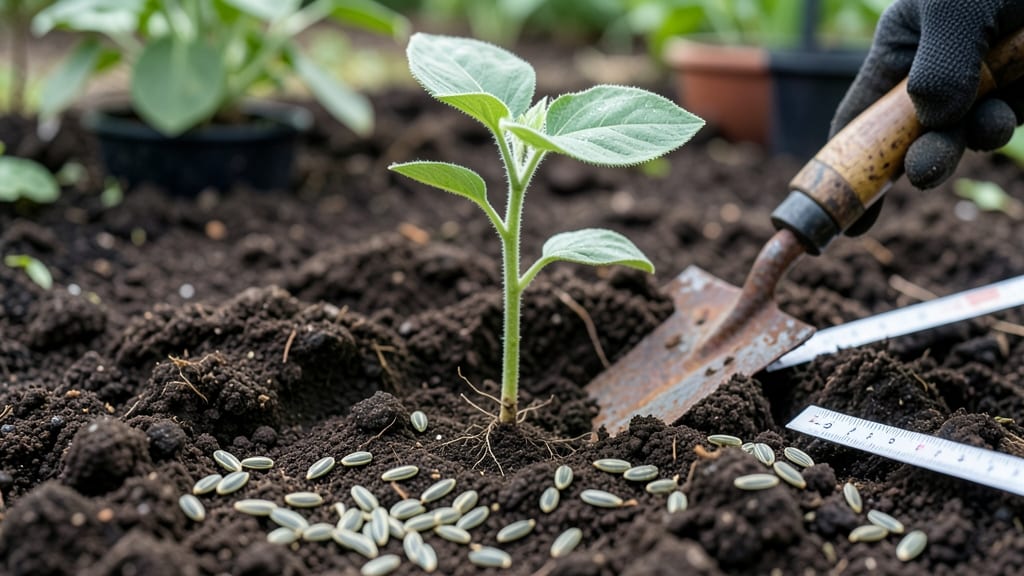
Planting sunflower seeds at the right depth is the secret to fast germination and those towering 🌻 stems you dream of.
Too deep, and your seeds rot before sprouting. Too shallow, and they dry out or struggle to anchor. Most gardeners guess—and end up with patchy, weak plants. But with the exact planting depth, you’ll get stronger roots and blooms that reach their full height.
Sunflowers thrive in USDA Zone 6a when planted after the last frost, typically in April or May. The ideal planting depth depends on your soil type, but a general rule is 1 inch deep—just enough to keep them moist without suffocating the seed.
In this guide, I’ll break down the perfect depth for your sunflower variety, how to adjust for sandy or clay soil, and the 3 most common mistakes that kill germination before it starts.
Optimal sunflower seed planting depth by variety and soil type
Sunflower seeds are delicate but resilient, and their planting depth directly impacts germination rates and stem strength. While 1 inch deep is the general rule, variations in sunflower varieties and soil types mean you’ll need to adjust slightly.
For example, giant varieties like 'Mammoth' need slightly deeper planting to support their heavy heads, while dwarf types like 'Teddy Bear' thrive with shallower depths. Even the texture of your soil—whether it’s sandy or clay-heavy—plays a role in how deep you should plant.
Soil moisture retention is another critical factor. In sandy soil, which drains quickly, seeds need to be planted shallower (¼–½ inch) to stay moist. Conversely, clay soil, which holds moisture longer, allows for deeper planting (1–1.5 inches) without risking rot.
Understanding these nuances ensures your sunflowers start strong and grow tall.
Here’s a quick reference for planting depth by variety and soil type to help you get it right the first time:
| Sunflower Variety | Soil Type | Optimal Planting Depth | Pro Tip |
|---|---|---|---|
| Giant (e.g., 'Mammoth', 'Russian Giant') | Sandy | ½ inch | Add compost to improve moisture retention. |
| Giant (e.g., 'Mammoth', 'Russian Giant') | Clay | 1–1.5 inches | Loosen soil to prevent compaction. |
| Dwarf (e.g., 'Teddy Bear', 'Pocket Sun') | Sandy | ¼ inch | Keep soil lightly moist until germination. |
| Dwarf (e.g., 'Teddy Bear', 'Pocket Sun') | Clay | ½ inch | Ensure good drainage to avoid rot. |
| Oilseed (e.g., 'Sunflower Oil Hybrid') | Sandy | ½ inch | Plant in rows for easier harvesting. |
| Oilseed (e.g., 'Sunflower Oil Hybrid') | Clay | 1 inch | Avoid overwatering to prevent seed rot. |
For extreme weather conditions, like drought or heavy rain, you’ll need to tweak your approach. In dry climates, plant seeds slightly deeper (up to 1 inch) to protect them from drying out.
Conversely, in wet or poorly draining soil, shallow planting (¼ inch) prevents seeds from suffocating or rotting. Always check soil moisture before planting—stick your finger in the soil; if it’s dry an inch down, it’s time to water first.
Another pro tip: If you’re planting in cool spring soil, which can delay germination, opt for shallower depths (¼ inch) to help seeds warm up faster. Conversely, in hot summer conditions, deeper planting (1 inch) keeps seeds cooler and moist.
Pay attention to your local climate and adjust accordingly for the best results.
Once you’ve planted your seeds at the right depth, maintain consistent moisture without overwatering. Sunflowers are drought-tolerant once established, but young seedlings need steady water to develop strong roots.
Aim for 1 inch of water per week, delivered in the morning to allow foliage to dry quickly and reduce disease risk. Mulching around the base of plants helps retain moisture and regulate soil temperature, which is especially helpful in sandy soils that dry out fast.
If you’re growing sunflowers in containers or raised beds, the rules shift slightly. Container soil dries out faster, so plant seeds ¼ inch deep and use a well-draining potting mix. For raised beds, which often have looser soil, stick to the standard 1-inch depth but monitor moisture closely.
Containers also limit root space, so choose dwarf varieties like 'Little Becka' to avoid overcrowding.
Finally, don’t forget to thin seedlings once they’ve sprouted to give each plant enough space to thrive. Giant varieties need 12–24 inches apart, while dwarfs can grow happily in 6-inch spacing. Thinning ensures stronger stems and fewer pests, as crowded plants compete for nutrients and light
Common mistakes that kill sunflower germination (and how to Fix them)
Even with the perfect planting depth, sunflower seeds can still fail to sprout if you make these 3 critical mistakes. The most common issues stem from planting too deep or too shallow, which directly affects moisture, oxygen, and root development.
I’ve seen gardens full of potential wasted because of these oversights—don’t let it happen to you!
Over-planting seeds too deep (beyond 1.5 inches) is a silent killer. Seeds need oxygen and warmth to break dormancy, and burying them too far suffocates them.
The result? Rot before sprouting or seedlings that struggle to reach the surface, leading to weak, leggy stems that topple under their own weight.
🚨
⚠️ Planting Depth Crisis: Sunflower Seeds
Too Deep: Seeds rot from lack of oxygen (depth >1.5"). Fix: Dig shallow holes (1") with a dibber or your finger.
Too Shallow: Seeds dry out or fail to anchor (depth <0.5"). Fix: Press soil gently over seeds to secure them.
Overcrowding: Competes for nutrients (spacing <6"). Fix: Thin seedlings to 6" apart after germination.
On the flip side, planting seeds too shallow (0.5 inches) is just as damaging. Without enough soil cover, seeds dry out quickly or get dislodged by rain or wind.
The seedlings that do emerge often have weak root systems because they’re not anchored properly, leading to slow growth and stunted plants that never reach their full height.
Watch for these warning signs of depth-related problems: No sprouts after 10–14 days (likely too deep or rotted), or seedlings that wilt immediately after emerging (likely too shallow and dehydrated). If you spot these, don’t panic—simply adjust your planting technique for the next batch.
Another sneaky mistake is overcrowding seeds while trying to compensate for poor germination. Planting seeds too close together (less than 6 inches apart) creates competition for water and nutrients, leading to leggy, weak stems that flop over.
Thin your seedlings early to give each plant room to grow—this ensures stronger stalks and bigger blooms later.
To fix overcrowding, wait until seedlings have 2–3 true leaves, then gently pull the weakest ones. Space remaining plants 6–12 inches apart (depending on variety) to prevent future issues. Mulch around the base to retain moisture and suppress weeds, which will give your sunflowers the best chance to thrive.
Remember, sunflowers are resilient, but they need consistent care from day one. Double-check your planting depth, monitor soil moisture, and thin seedlings promptly.
With these fixes, you’ll see faster germination, stronger stems, and sunflowers that reach their full, glorious height—just like the ones in my garden that now stand proudly at 10+ feet tall! ☀️