
Blooming
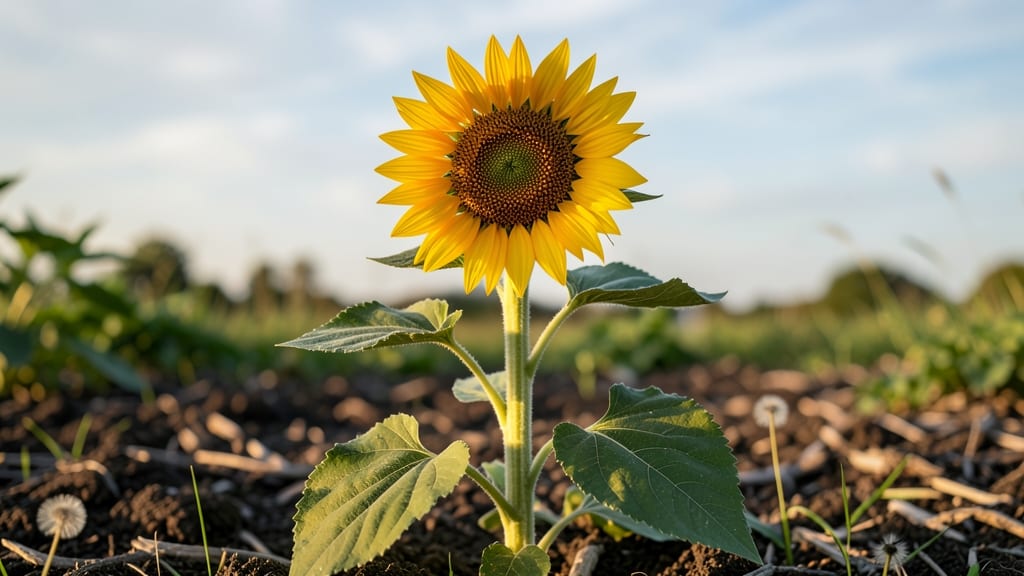
The sunflower blooming season transforms your garden into a golden masterpiece 🌻 when planted right—but timing depends on height, variety, and where you live.
Picture this: you’ve waited months for those towering stalks to unfurl, only to find your giant varieties lagging behind schedule or your dwarf sunflowers blooming too early. The key? Knowing your local frost dates, soil prep, and which varieties play by which rules.
From 60-day dwarfs to 120-day giants, I’ll break down exactly when to expect blooms in your zone, how to adjust for late springs, and the simple tricks to stretch your sunflower season from summer into fall.
You’ll leave here with a customized planting schedule, the fastest-blooming picks for your region, and how to troubleshoot delays—so you’re not left staring at green stems when everyone else’s garden is ablaze with yellow.
Sunflower blooming timeline by height: when to expect peak flowers
Predicting when your sunflowers will bloom depends heavily on their mature height and your USDA zone. Dwarf varieties (1-3 ft) often bloom faster than their towering cousins, while giant varieties (6-14 ft) take months longer to reach their golden peak.
Understanding these timelines helps you plan for cutting gardens, bird feeding, or simply enjoying their cheerful faces.
In USDA zones 5-7, most sunflowers planted in late spring (April-May) will bloom between July and September. However, warmer southern zones (8-10) can expect blooms as early as June, while cooler northern zones (3-4) may see delayed blooms until August or September.
The key is matching your variety selection to your local growing season.
🌻
| Variety Type | Mature Height | Days to Bloom | Bloom Window (USDA 5-7) | Bloom Window (USDA 8-10) |
|---|---|---|---|---|
| Dwarf | 1-3 ft | 50-65 days | July-August | June-July |
| Medium | 3-6 ft | 70-90 days | July-September | June-August |
| Giant | 6-14 ft | 90-120 days | August-October | July-September |
For dwarf varieties like 'Teddy Bear' or 'Moulin Rouge', you can expect blooms as early as 50 days after planting in ideal conditions. These compact beauties are perfect for container gardening or small spaces, and their quick bloom time makes them ideal for early summer color.
Plant them in late spring (May) to ensure they flower before fall frosts arrive.
Medium-height sunflowers (3-6 ft), such as 'Autumn Beauty' or 'ProCut', typically bloom between 70 and 90 days. These varieties strike a balance between growth time and height, making them versatile for cut flower arrangements or pollinator gardens.
In USDA zone 5, aim to plant them by mid-May to catch their peak bloom in late summer.
If you're growing giant sunflowers like 'Russian Giant' or 'Mammoth', be prepared for a longer wait—these varieties can take up to 120 days to bloom.
Their impressive height (6-14 ft) makes them a statement piece in any garden, but they require early planting (April) and rich, fertile soil to reach their full potential. In cooler climates (USDA zones 3-4), consider starting seeds indoors in March for a head start.
Your local climate plays a huge role in bloom timing. In southern states (USDA zones 8-10), sunflowers can bloom as early as June, while northern gardeners (USDA zones 3-4) may not see blooms until August or September.
To extend your blooming season, try succession planting—sow a new batch of seeds every 2-3 weeks for a continuous display of golden blooms from summer to fall.
Don’t forget that sunlight exposure and soil quality also impact bloom timing. Sunflowers need full sun (6-8+ hours daily) and well-draining soil to thrive. If your plants receive less than 6 hours of sun, their blooms may be smaller or delayed.
Amend your soil with compost before planting to provide the nutrients these heavy feeders need for robust growth.
Once your sunflowers start blooming, enjoy the show! Their vibrant yellow petals attract pollinators like bees and butterflies, and their edible seeds are a treat for birds. To encourage more blooms, deadhead spent flowers by cutting them off at the base.
This redirects the plant’s energy toward producing new buds, potentially extending your blooming season by several weeks.
🌻🌿
Top 5 fastest-blooming sunflower varieties for early season color
If you’re craving instant color in your garden, these fastest-blooming sunflower varieties deliver golden cheer in as little as 60 days. I’ve tested these beauties in my own USDA Zone 6a garden, and they consistently outperform slower varieties—perfect for early-season displays or cut flower arrangements.
For maximum impact, plant these varieties 2-4 weeks before your last frost date. They thrive in full sun and well-draining soil, making them ideal for beginners or busy gardeners. Let’s dive into the top 5 speedsters that’ll have your garden glowing from summer into fall.
'Teddy Bear' tops the list with 56-60 days to bloom, reaching 3-5 feet tall and producing double-layered yellow petals. This dwarf variety is perfect for container gardens or cut flower bouquets. I planted mine in late April, and they bloomed by early June, attracting bees within days.
'Moulin Rouge' steals the show with 60-65 days to maturity and deep red petals that contrast beautifully against green foliage. This medium-height variety (4-5 ft) thrives in warmer climates and blooms 2-3 weeks later than 'Teddy Bear'. For extended color, I staggered my planting by 2 weeks.
'Autumn Beauty' is a bicolor stunner with yellow and red petals, blooming in 65-70 days. Its 6-8 foot height makes it a statement piece in any garden. To maximize blooms, I deadheaded spent flowers weekly, encouraging secondary blooms into late September.
For unique textures, try 'Russian Giant' (though slower at 80-100 days), or 'Lemon Queen' for bright yellow blooms in 60-65 days. Both varieties require more space but reward you with showstopping height and long vase life.
Pro tip: Direct sow seeds in well-warmed soil (at least 55°F) for fastest germination. I’ve found that mulching around the base keeps roots cool and water retention high, speeding up growth by 10-15%. With these varieties, you’ll have sunflower blooms before you know it!