
Light Requirements
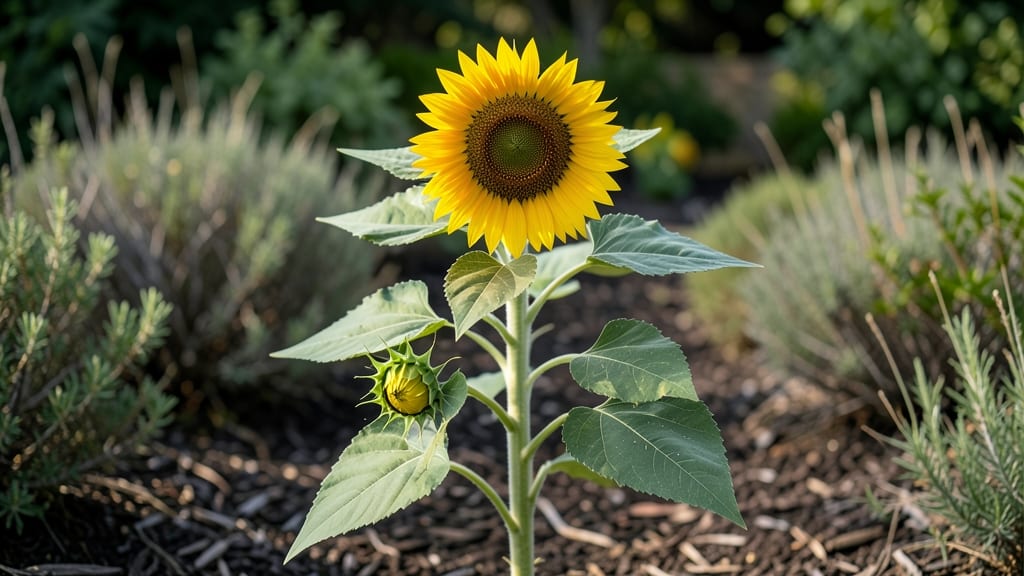
The sunflower light requirements are simple: these cheerful giants need at least 6 to 8 hours of direct light daily to grow those towering stalks and vibrant blooms you love 🌻.
If your sunflowers are stretching tall and thin or barely blooming, it’s not your green thumb failing you — it’s likely their light requirements aren’t being met.
Too little sun leads to weak stems and small flowers, while just the right amount of light transforms them into the showstoppers of your garden.
But what happens when your garden doesn’t get full sun? Don’t worry — we’ll break down how to maximize light for sunflowers, whether you’re dealing with partial shade or indoor growing.
You’ll also learn how to spot the signs of light deprivation early and fix it before your plants give up.
By the end, you’ll know exactly how much sun sunflowers need, how to adapt to less-than-ideal conditions, and which varieties thrive even in shadier spots. Let’s get those sunflowers soaking up the light they crave!

How many hours of sun do sunflowers need for optimal growth?
Sunflowers are famous for their love of sunlight, but how much is too much or too little? Most gardeners assume full sun means endless hours of light, but the truth is more nuanced.
Sunflowers need 6-8+ hours of direct sunlight daily for peak performance, but their light requirements shift dramatically between seedling stage and mature plant. Overlooking this can lead to leggy stems, weak blooms, or even total failure to flower.
Let’s break down the sunlight needs by growth stage, debunk common myths, and explore how variety and climate zone affect your sunflower’s tolerance for shade. Whether you’re growing giant Russian mammoths or compact Teddy Bear varieties, understanding these details will help you maximize those iconic golden blooms.
⚠️ Key Insight: Sunflowers are not one-size-fits-all. A dwarf variety might thrive in 4-6 hours of sun, while a tall hybrid will stretch and wilt in partial shade. Your climate zone also plays a role—cooler regions may need more sunlight to compensate for shorter growing seasons.
One of the biggest myths about sunflowers is that they can handle any amount of sun. While they love sunlight, too much direct heat (especially in USDA Zones 8-10) can scorch leaves and stress plants.
In these regions, afternoon shade from trees or trellises can actually improve survival rates while still meeting their 8-hour minimum.
For cool-climate gardens (Zones 3-6), focus on morning sun and protected afternoon light. This prevents frost damage in spring and heat stress in summer.
If you’re growing sunflowers in containers or urban settings, prioritize south- or west-facing windows or use reflective surfaces (like white walls) to bounce extra light onto your plants.
Another critical factor is soil temperature. Sunflowers need warm soil (55°F+) to germinate, and cool, shady soil can delay sprouting by weeks. If your garden has late springs, start seeds indoors under grow lights (12-14 hours/day) before
Signs your sunflowers aren’t getting enough light (and how to fix it)
If your sunflowers are struggling to reach their full potential, light deprivation is often the culprit. These plants are sun-worshippers, and when they don’t get enough light, they send you clear signals.
The most obvious sign is leggy, weak stems that stretch desperately toward any available light source, like a plant reaching for a distant window 🌱.
Another red flag is small, underdeveloped blooms that barely open or stay closed entirely. Even if your sunflowers do produce flowers, they might be pale yellow instead of vibrant orange or red, lacking the rich color they’re known for.
These visual cues mean your plants are fighting an uphill battle without sufficient sunlight.
🚨
⚠️ Warning: Sunflowers in Low Light
Sunflowers need 6-8 hours of direct sunlight daily—any less and you’ll see these warning signs:
- Leggy stems (stretching toward light)
- Yellowing leaves (especially lower leaves)
- Small, weak blooms (or no flowers at all)
- Pale, weak growth (instead of sturdy stalks)
Fix it fast: Move plants to sunnier spots, use reflective surfaces, or add grow lights for indoor setups.
Don’t ignore yellowing leaves, particularly on the lower stems. This is a classic sign of light starvation, as the plant struggles to produce enough energy through photosynthesis.
You might also notice fewer leaves overall, with the plant focusing its energy on just a few large, sparse leaves rather than a full, bushy appearance.
For gardeners in low-light conditions, there are simple fixes. First, try reflective surfaces like mirrors or white walls to bounce extra light onto your plants. Even a light-colored mulch around the base can help reflect sunlight upward.
If you’re growing indoors, supplemental grow lights can make all the difference—just 12-16 hours of artificial light daily can mimic full sun.
Another trick is companion planting. Tall, fast-growing plants like corn or sunflowers themselves can create a natural windbreak while casting shade on smaller plants. However, avoid planting sunflowers near trees or structures that block light for extended periods.
Instead, opt for dwarf sunflower varieties if your space is limited, as they’re more adaptable to partial shade.
If you’re growing sunflowers in containers or pots, rotate them regularly to ensure all sides get equal light exposure. This prevents uneven growth and helps the plant maximize its light intake.
And remember, morning sun is ideal—it’s less intense than afternoon rays, reducing stress on your plants while they’re still getting the light they need to thrive 🌻.