
Vegetables
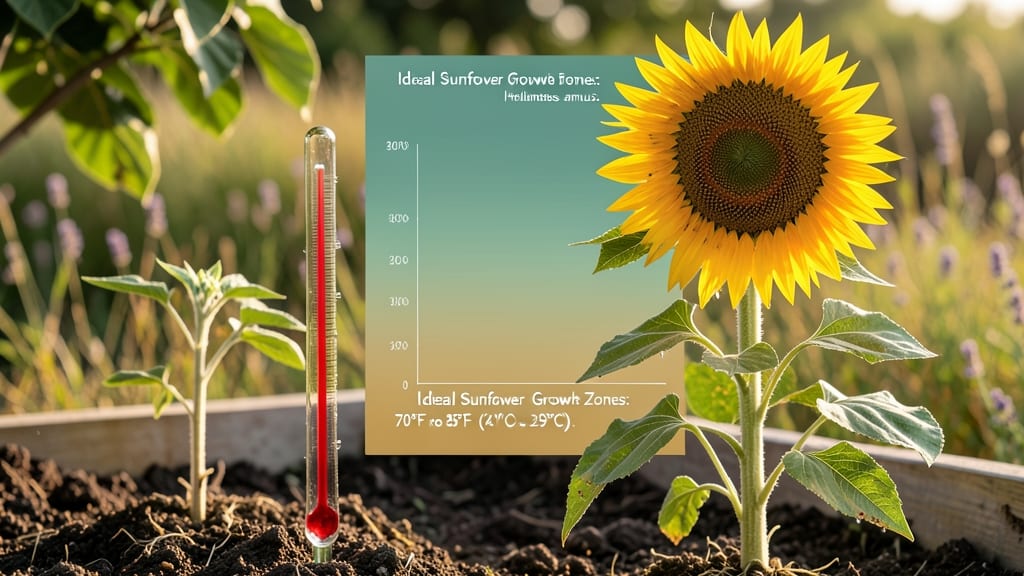
Sunflowers thrive thanks to their impressive sunflower temperature tolerance, enduring everything from crisp morning chills to scorching afternoons—but their growth phases depend heavily on planting timing and location 🌻.
Picture this: you've just sown your seeds in early spring, only to watch them wilt under an unexpected frost, or you're in a sweltering summer heatwave, wondering why your towering sunflowers have suddenly stopped growing.
The key to success lies in understanding how temperature shifts impact each stage—from germination to flowering—and how to adapt your care accordingly.
Some varieties, like the hardy Russian Giant, can handle light frosts down to 20°F, while others, such as the heat-loving ProCut, thrive in temperatures soaring past 90°F.
Knowing which type suits your climate isn’t just about survival—it’s about maximizing those 10-foot stems and vibrant blooms you’ve been dreaming of.
In this guide, I’ll break down the ideal temperature ranges for every growth phase, share practical tips for protecting your plants in extreme weather, and reveal the best varieties for your specific zone—whether you’re battling Alaskan winters or Arizona heat.
Cold-hardy sunflower varieties and their freezing temperature limits
Sunflowers are often associated with warm summer days, but some varieties can handle surprisingly cold temperatures. If you're gardening in USDA Zones 3-6, you'll want to focus on cold-hardy types that survive frost and even light freezes.
These varieties can be planted as early as late spring or even in fall for next year's harvest, giving you a head start on the growing season.
Understanding sunflower temperature tolerance is key to success in colder climates. Most sunflowers germinate best in soil temperatures between 55°F and 85°F, but some varieties can tolerate brief periods below freezing once established.
The secret lies in choosing the right cold-hardy sunflower varieties and using proper planting strategies to protect young plants from late frosts.
Germination is the most critical phase for cold tolerance. Seeds won't sprout in freezing soil, so always wait until the soil reaches at least 50°F before planting. However, once sprouted, some sunflowers can handle 25°F to 30°F without significant damage. Below, I've compiled a comparison of the most reliable cold-hardy varieties and their specific temperature thresholds.
| Variety | Cold Tolerance (Established Plants) | Germination Temp Range (°F) | Best Planting Time (Zones 3-6) | Mature Height |
|---|---|---|---|---|
| Russian Giant | Survives to 20°F with protection | 55°F–85°F (best at 60°F–70°F) | Late spring (after last frost) or early fall (6 weeks before first frost) | 8–14 ft |
| Mammoth | Survives to 25°F (light frost) | 50°F–80°F (best at 55°F–65°F) | Early spring (soil at 50°F) or late summer (for fall harvest) | 10–12 ft |
| Teddy Bear | Survives to 28°F (short-term) | 55°F–75°F (best at 60°F) | Late spring (after frost danger) or early fall | 3–5 ft (dwarf) |
| Autumn Beauty | Survives to 26°F (with mulch) | 50°F–80°F (best at 55°F–70°F) | Early spring or late summer (for fall color) | 5–6 ft |
| Sunspot | Survives to 30°F (best for cold starts) | 55°F–75°F (best at 60°F) | Early spring (soil warming) or late summer | 2–4 ft (compact) |
The Russian Giant is the most cold-hardy variety, capable of surviving brief temperatures down to 20°F when protected with mulch or row covers. This makes it ideal for gardeners in USDA Zone 3, where winters can be harsh.
For best results, plant seeds in late spring when soil temperatures stabilize above 55°F, or opt for a fall planting 6 weeks before your first frost date.
If you're aiming for a fall harvest in colder climates, the Mammoth variety is a fantastic choice. It tolerates light frosts down to 25°F and can even be planted as early as early spring in well-drained soil.
The key is to use black plastic mulch to warm the soil faster and protect young seedlings from late frosts. This variety also benefits from staking in windy conditions, as its towering height makes it prone to toppling.
For smaller gardens or container growing, the Teddy Bear sunflower is a cold-hardy dwarf variety that thrives in USDA Zones 4-6. Its compact size (3–5 ft) makes it perfect for urban gardens, and it can handle temperatures down to 28°F once established.
The secret to its success in cold climates is planting seeds in well-draining soil and providing morning sun exposure to prevent frost damage. This variety also produces edible seeds, making it a dual-purpose plant.
When planting sunflowers in early spring or fall, always prioritize soil preparation. Amend your garden bed with compost or aged manure to improve drainage and fertility.
Sunflowers are heavy feeders, so adding a balanced fertilizer (10-10-10) at planting time will give them the nutrients they need to establish strong roots before cold snaps arrive. Water deeply once a week during dry spells, but avoid overwatering, which can lead to root rot in cold, damp soil.
One of my favorite strategies for extending the growing season is succession planting
Heat-resistant sunflower varieties for hot climates and drought conditions
When summer temperatures climb past 90°F, most sunflowers struggle—but not all! Heat-resistant varieties like ProCut and Velcro are bred to thrive in scorching conditions, making them perfect for USDA Zones 7-11.
These varieties not only survive but often produce larger blooms and heavier seeds under intense heat, turning your drought-prone garden into a sunflower paradise 🌞.
For gardeners in the Southwest or Deep South, selecting the right variety can mean the difference between wilted stems and vibrant, towering plants. The key lies in their ability to conserve water while maintaining growth, thanks to deep root systems that tap into moisture deep underground.
Let’s explore the top performers and how to keep them thriving in extreme heat.
ProCut stands out as the ultimate heat warrior, boasting a 95% heat tolerance rating and thriving in temperatures up to 105°F. This variety is a favorite among commercial growers because it maintains vigorous growth even when other plants wilt. Its deep taproot allows it to access water deep underground, reducing the need for frequent irrigation—a game-changer in arid climates like Arizona or Nevada.
If you’re working with limited space, Velcro is an excellent choice. This dwarf variety reaches only 3-4 feet tall but packs a punch with its 90% heat tolerance.
It matures quickly, often flowering in as few as 50 days, making it ideal for short growing seasons or container gardening in urban heat islands. Plus, its compact size means it won’t overwhelm smaller gardens or balconies.
Watch for heat stress symptoms like drooping leaves, yellowing foliage, or stunted growth, which signal your sunflowers are struggling. To help them recover, water deeply at the base in the early morning and mulch heavily to retain moisture.
Avoid overhead watering, as it can encourage fungal diseases in the oppressive heat. Shade cloth (30-50%) can also provide temporary relief during the hottest afternoons.
For a longer bloom season, Autumn Beauty is a stunning option with 85% heat tolerance. Unlike many sunflowers that bolt in extreme heat, this variety continues producing vibrant blooms from summer through early fall.
Pair it with drought-tolerant companions like lantana or zinnia to create a heat-resistant pollinator garden that thrives without constant care.
Remember, even the hardiest sunflowers need consistent soil moisture during their early growth stages. Once established, they’ll handle drought better, but don’t wait until your plants are wilting to water. Deep, infrequent watering encourages strong root development, which is your best defense against scorching temperatures and drought conditions 💧☀️.