
Light Requirements
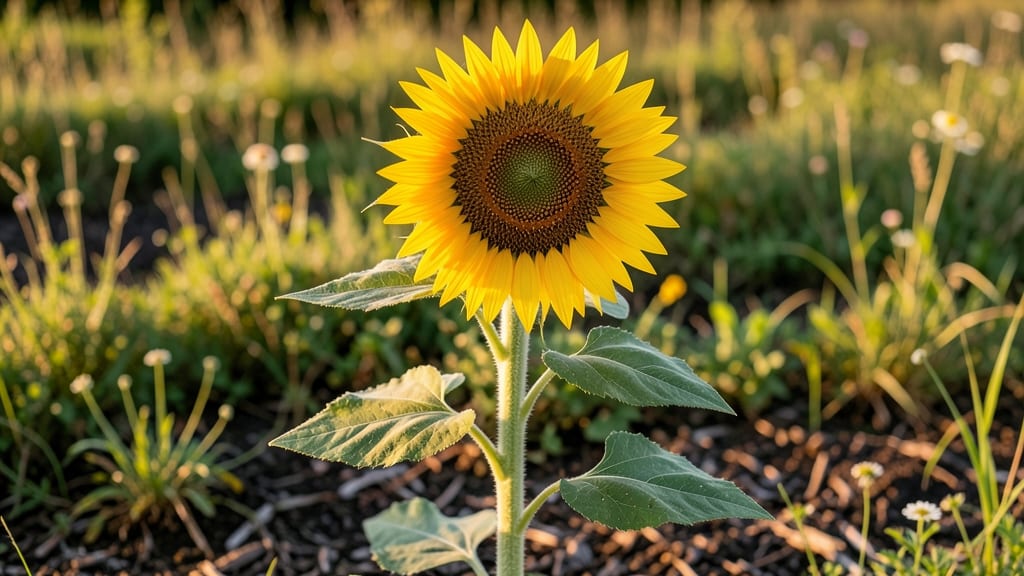
Sunflowers have specific sun requirements—they need 6 to 8+ hours of direct sunlight daily to grow tall, produce vibrant blooms, and resist flopping stems—far more than most gardeners realize.
Picture this: your sunflowers 🌻 are stretching toward the sky, their leaves pale and stems weak, while your neighbor’s plants stand proud and golden. The difference? Sunlight. Without enough of it, even the hardiest varieties struggle to reach their full potential.
This isn’t just about planting them in the sunniest spot—it’s about understanding how light affects every stage, from seedling to seed. Too little sun means leggy growth, delayed blooms, and flowers that barely open.
But with the right placement and a few smart adjustments, you can turn even partial shade into a winning setup.
Below, I’ll show you how to assess your garden’s sunlight, spot the signs of sun deprivation, and tweak your approach for bigger blooms and stronger stems—no matter where you live.

How many hours of sun do sunflowers need for optimal growth?
Sunflowers are sun-loving champions that convert sunlight into energy through photosynthesis—their growth and bloom size depend heavily on light exposure. While they can tolerate some shade, 6 to 8+ hours of direct sunlight daily is the golden standard for peak performance.
This requirement shifts slightly depending on the plant’s growth stage, from delicate seedlings to towering blooms.
At the seedling stage, young sunflowers need 4 to 6 hours of sunlight to avoid becoming leggy or weak. As they enter the vegetative stage, their demand jumps to 6 to 8 hours daily to fuel rapid stem and leaf growth.
Finally, during flowering and seed production, they crave 8+ hours of full sun to develop vibrant blooms and plump seeds.
The science behind this is fascinating: sunflowers use chlorophyll in their leaves to absorb sunlight, converting it into glucose for energy. Low-light conditions reduce this process, leading to pale leaves, stunted growth, and smaller flowers.
Even partial shade can shrink their mature height by 30% and cut yield by nearly half.
| Growth Stage | Sunlight Needs | Impact of Partial Shade | Optimal Height |
|---|---|---|---|
| Seedling (0-4 weeks) | 4-6 hours | Leggy stems, slow growth | 1-3 ft |
| Vegetative (4-8 weeks) | 6-8 hours | Reduced leaf mass, weaker stems | 3-6 ft |
| Flowering (8-12 weeks) | 8+ hours | Smaller blooms, delayed maturity | 6-16 ft |
| Seed Production (12+ weeks) | 8+ hours | Lower seed yield, poor nutrition | Mature height maintained |
If your sunflowers receive less than 4 hours of sunlight daily, they’ll struggle to thrive. Their leaves may turn yellow or purple, and stems will stretch unnaturally tall in search of light—a condition called etiolation.
This weakens their structure, making them prone to toppling over or snapping in wind.
For maximum bloom size and seed production, aim for 8+ hours of direct sunlight. In regions with shorter daylight hours (like the Pacific Northwest), choose dwarf varieties like ‘Teddy Bear’ or ‘Moulin Rouge,’ which tolerate 4-6 hours of sun better than standard types.
These varieties still produce stunning flowers but with 30% smaller diameters compared to full-sun counterparts.
Light intensity also matters: Morning sunlight (6 AM–12 PM) is ideal because it’s less intense than afternoon rays, reducing stress on young plants. If your garden lacks full sun, consider reflective mulch or white garden markers to bounce extra light onto their leaves.
Even a 10% increase in light exposure can boost growth by 20%.
Pro tip: Monitor your sunflowers’ leaf angle. Healthy plants grow upright with leaves perpendicular to the sun, optimizing light absorption. If leaves flatten or droop, they’re likely light-starved. Adjust their position or supplement with a grow light for 4–6 hours daily until conditions improve.
Remember, sunflowers aren’t just about aesthetics—they’re nutrient powerhouses. Adequate sunlight ensures they absorb nitrogen, phosphorus, and potassium efficiently, leading to healthier stems, bigger blooms, and higher seed yields. Skip the sunlight, and you’ll miss out on their full potential—both in your garden and on your plate!
🌻
Signs your sunflowers aren’t getting enough sun (and how to fix it)
If your sunflowers 🌻 look more like sad stalks than towering beauties, they’re likely begging for more sunlight. Sunflowers need 6 to 8+ hours of direct sun daily, but even 4 hours can stunt growth.
The first clue? Leggy stems that stretch toward the sky like they’re reaching for a distant light source.
Beyond the height issue, check their leaves. Sun-starved sunflowers develop pale green or yellow foliage, almost like they’ve been left in the shade too long. Even their blooms suffer—flowers may stay small, fail to fully open, or produce fewer seeds than their sun-soaked neighbors.
Here’s the kicker: sunflowers grown in partial shade often produce weaker stems that flop over, ruining their iconic upright posture. If your plants are leaning or bending, it’s not just a wind issue—it’s a light deficiency.
Sunflower Sun Crisis: 3 Critical Signs
- Stems stretch (leggy, weak growth)
- Leaves turn pale (chlorosis from low light)
- Blooms stay small (or never open)
Fix it fast: Move plants to full sun or supplement with grow lights (12+ hours/day).
To diagnose the issue, track sunlight hours in your garden. Use a sunlight tracker app or mark your yard with stakes to see where shadows fall. If your sunflowers are planted in a spot that gets less than 6 hours of direct sun, it’s time to relocate them.
For quick fixes, try reflective mulch (like white gravel) around the base to bounce extra light onto leaves. If you’re dealing with shady spots, choose dwarf varieties like ‘Teddy Bear’ that tolerate partial shade better than tall types.
If relocating isn’t an option, grow lights can save your sunflowers. Place a full-spectrum LED light 12–18 inches above the plants for 12–14 hours daily. This mimics summer sunlight and keeps stems sturdy while encouraging blooms.
Remember: sunflowers are sun-hungry—they won’t thrive in half-measures. Give them the light they crave, and you’ll be rewarded with bold blooms and towering stems that steal the show. 🌻