
Mower
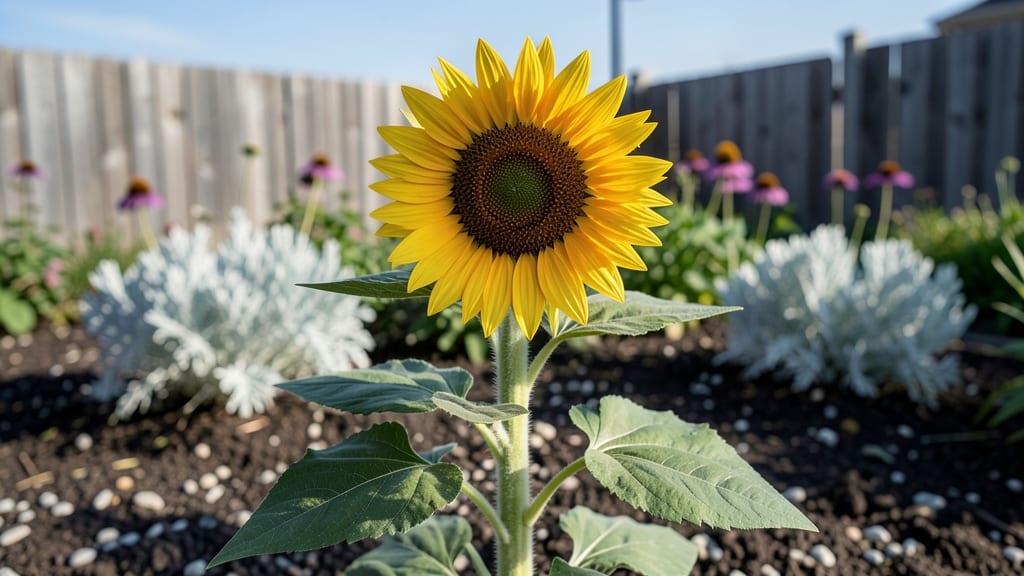
The Teddy Bear Sunflower size can surprise even seasoned gardeners, reaching 4 to 5 feet tall with a sturdy, bushy spread—think of a small tree in flower form.
Picture this: a sunflower so tall it blocks your view of the neighbor’s fence, its velvety brown petals and golden centers turning every summer stroll into a photo op.
That’s the Teddy Bear variety for you—not a dwarf, but a mid-sized giant that brings drama without requiring a forest plot.
But here’s the catch: its size matters for everything from spacing to staking. Plant too close, and you’ll end up with a crowded jungle of stems. Skip the support, and those heavy blooms might send your sunflower toppling by August.
I’ll show you exactly how to balance its growth so it thrives—not tips over.
You’ll also learn how its size stacks up against other sunflowers, whether it needs special soil or sunlight tricks, and how to turn its height into an asset (yes, even in small gardens). Let’s get growing!


How big do Teddy Bear sunflowers grow? Size expectations and growth factors
When I first saw Teddy Bear sunflowers in my garden, I was stunned by their sheer size—these beauties aren’t your average sunflowers. They can grow between 8 to 12 feet tall, with some reaching heights of 14 feet under perfect conditions.
That’s taller than most mailboxes or even a two-story house’s second floor! Their width spans 12 to 18 inches, making them a dramatic focal point in any landscape.
Their bloom size is equally impressive, often reaching 10 to 12 inches in diameter, with some varieties producing even larger flowers. These sunflowers aren’t just big—they’re bold, with vibrant yellow petals and dark centers that catch every eye in the neighborhood.
Their sheer scale makes them perfect for creating a dramatic backyard statement or adding height to a cut flower garden.
🌻
| Growth Factor | Expectation | Key Influence |
|---|---|---|
| Height | 8–12 feet (some up to 14 feet) | Sunlight, soil fertility, spacing |
| Width | 12–18 inches | Genetics, pruning, support |
| Bloom Size | 10–12 inches diameter | Water, nutrients, sunlight |
| Growth Rate | 2–3 feet per month | Temperature, soil moisture |
| Lifespan | Single-season annual | Climate, care routine |
One of the biggest factors influencing their height and spread is sunlight exposure. Teddy Bear sunflowers thrive in full sun conditions, meaning they need at least 6 to 8 hours of direct sunlight daily.
Without enough sun, they’ll grow leggy and weak, struggling to reach their full potential. I’ve found that planting them in the southern part of my garden, where they get uninterrupted sunlight, makes a huge difference in their growth.
Another critical factor is soil quality. These sunflowers love well-draining, nutrient-rich soil with a pH between 6.0 and 7.5. Amending your soil with compost or aged manure before planting gives them the boost they need to grow tall and strong.
I always test my soil’s pH and add lime if it’s too acidic, as sunflowers prefer slightly alkaline conditions for optimal growth.
🌱
Proper spacing is essential to prevent overcrowding, which can stunt their growth. Plant Teddy Bear sunflowers 18 to 24 inches apart in rows that are 3 feet apart. This gives their roots enough room to spread and their stems the space to grow upright without competing for nutrients.
In my experience, overcrowding leads to weak stems that are more prone to bending or breaking, especially in windy conditions.
Watering plays a huge role in their size too. While they’re drought-tolerant once established, young plants need consistent moisture to grow strong stems. I water mine deeply 2 to 3 times per week during their early growth stages, then taper off to once a week once they’re taller.
Overwatering can lead to root rot, so it’s important to let the top inch of soil dry out between waterings.
💧
If you’re growing Teddy Bear sunflowers in containers or small spaces, you’ll need to provide extra support. Their tall, heavy stems can topple over in strong winds or even under their own weight. I recommend using stakes or cages to support them, especially if you’re growing them in pots.
For in-ground planting, I tie the stems to bamboo stakes or tomato cages every few feet to keep them upright and prevent them from flopping over.
Finally, don’t forget that genetics play a role too. Some seeds may produce slightly shorter or taller plants depending on the specific variety. Always check the seed packet for expected height ranges and choose a location that can accommodate their mature size.
With the right care, your Teddy Bear sunflowers will reach their full potential and become the showstopper of your garden.
Best giant sunflower varieties similar to Teddy Bear for maximum height
If you love the Teddy Bear Sunflower but crave even taller varieties, you’re in luck—some sunflowers grow so massive they’ll make your 10-foot fence look like a garden gnome.
The Mammoth Russian and Russian Giant varieties can reach 12 to 15 feet tall, while Autumn Beauty adds vibrant color to that towering height. These giants aren’t just for show; they’re perfect for creating dramatic backdrops, providing shade, and even attracting pollinators from miles around.
What sets these towering varieties apart? It’s not just their height—it’s their bloom size, color diversity, and how they handle your local growing conditions.
For example, Russian Giant sunflowers can produce blooms 12 inches wide, while Autumn Beauty offers a stunning mix of yellow, red, and brown petals. Let’s compare these giants so you can pick the perfect one for your garden’s skyline.
🌻 Comparison Table: Giant Sunflower Varieties
| Variety | Height | Bloom Size | Color | Growing Tips |
|---|---|---|---|---|
| Mammoth Russian | 12-15 ft | 10-12 in | Golden yellow | Needs staking; plant in well-draining soil. |
| Russian Giant | 10-14 ft | 12 in | Deep yellow | Tallest variety; space 3 ft apart. |
| Autumn Beauty | 8-10 ft | 8-10 in | Multi-color | Drought-tolerant; great for cut flowers. |
| Teddy Bear | 4-5 ft | 6-8 in | Velvety brown | Compact; no staking needed. |
For maximum height, focus on these key growing tips: Start seeds indoors 6-8 weeks before your last frost date, then transplant seedlings into fertile, well-draining soil. These giants thrive in full sun (6+ hours daily), but their heavy blooms require extra support.
I recommend using bamboo stakes or cages to prevent toppling, especially in windy areas.
One of my favorite tricks for encouraging towering growth is to prune side shoots early in the season. This redirects energy to the main stem, helping it grow straighter and taller. Just pinch off any lateral branches when they’re still small—before they steal nutrients from your sunflower’s skyward climb.
And don’t forget to water deeply 1-2 times per week, especially during drought conditions.
If you’re short on space but still want a dramatic display, consider growing these giants in containers. Use large pots (at least 18 inches deep) with drainage holes and fill them with a mix of potting soil and compost.
Just be prepared to water more frequently and provide extra support, as container-grown sunflowers can become top-heavy faster than their in-ground counterparts.
Ready to turn your garden into a sunflower skyline? These varieties aren’t just tall—they’re showstoppers that will have your neighbors asking for tips. Start with Mammoth Russian for pure height or Autumn Beauty for a splash of color, and watch your sunflowers reach for the sky. 🌻