
Flowers
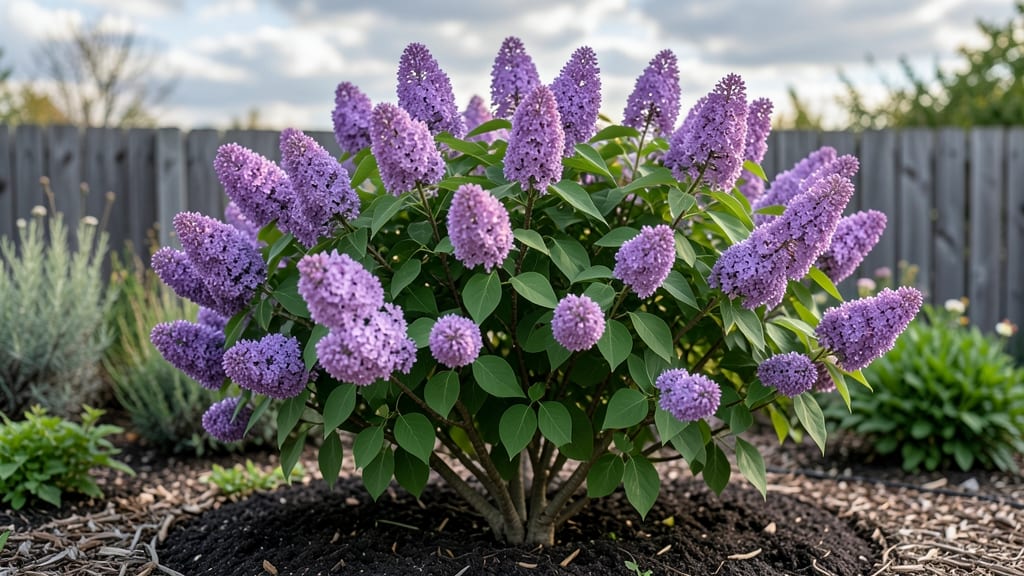
Trees with little purple flowers like the Lilac Tree 🌸 bring a burst of color and fragrance to any garden, turning spring into a sensory delight.
Imagine stepping into your garden and being greeted by waves of intoxicating purple blossoms—lilac bushes aren’t just beautiful, they’re nature’s fragrant masterpieces. But how do you coax them into thriving year after year?
These medium-sized shrubs thrive in USDA Zone 6a and beyond, making them perfect for gardens across the country. With the right care, they’ll reward you with abundant blooms every spring, creating a focal point that’s hard to resist.
In this guide, I’ll walk you through selecting the best lilac varieties, mastering their care, and troubleshooting common issues—so you can enjoy their stunning purple flowers and sweet scent for decades.
Identifying and selecting the best lilac varieties for purple flowers
When selecting lilacs for their stunning purple blooms, you’ll find endless options—each with unique fragrance intensity, bloom times, and garden-friendly traits.
The right variety can transform your landscape into a fragrant haven, but choosing depends on your climate zone, garden size, and whether you prioritize scent or low-maintenance growth.
For example, 'Katherine Haviland' is a classic with deep purple blooms and a strong, sweet fragrance, while 'Miss Kim' offers compact size and early spring blooms—ideal for small gardens. Let’s dive into the top purple-flowered lilacs and how to pick the perfect fit for your space.
| Variety | Bloom Time | Hardiness Zones | Height | Fragrance | Best For |
|---|---|---|---|---|---|
| 'Katherine Haviland' | Mid to late spring | 3-7 | 6-8 ft | Strong, sweet | Large gardens, fragrance lovers |
| 'Miss Kim' | Early spring | 4-8 | 3-4 ft | Light, pleasant | Small spaces, containers |
| 'Mme. Lemoine' | Mid spring | 3-7 | 8-10 ft | Moderate, spicy | Privacy screens, borders |
| 'Dwarf Korean Lilac' | Early to mid spring | 4-9 | 3-5 ft | Mild, delicate | Rock gardens, urban yards |
| 'Bloomerang Lilac' | Late spring + fall rebloom | 4-8 | 6-8 ft | Strong, long-lasting | Extended bloom season |
If you live in USDA Zones 3-7, most lilacs will thrive, but 'Katherine Haviland' and 'Mme. Lemoine' are especially hardy, making them great choices for northern climates.
For warmer zones (8-9), opt for 'Miss Kim' or 'Dwarf Korean Lilac', which handle heat better and bloom earlier in the season.
Consider your garden’s layout too. Taller varieties like 'Mme. Lemoine' work well as privacy hedges or backyard focal points, while compact options like 'Miss Kim' fit perfectly in containers or small borders.
My own Miss Kim lilac sits in a terracotta pot on my patio, blooming reliably every spring with minimal fuss.
Fragrance matters too! If you love intense, heady scents, 'Katherine Haviland' is unbeatable. For a subtler aroma, 'Dwarf Korean Lilac' delivers a delicate, floral note that’s perfect for close-up gardening.
I’ve noticed that morning sunlight enhances fragrance in all varieties, so planting near a south-facing window or walkway maximizes enjoyment.
Don’t overlook reblooming varieties like 'Bloomerang Lilac', which gives you two bloom cycles per year—once in late spring and again in fall. This is a game-changer for gardens where seasonal interest is key.
Just be prepared for a slightly higher maintenance commitment, as rebloomers need regular pruning to encourage second flushes.
For urban gardens or small yards, dwarf varieties are my top recommendation. They take up less space but still pack a punctuation-worthy punch of color. I planted a 'Dwarf Korean Lilac' near my front door, and its early spring blooms greet visitors like a fragrant welcome mat.
Plus, their low height (3-5 ft) makes them easy to prune and shape.
When shopping for lilacs, always check the nursery’s growing conditions—some may have been grown in richer soil or with more frequent watering than your garden provides. A quick call to the nursery about their hardiness zone and growing practices can save you from disappointment.
I once bought a lilac labeled for Zone 5, only to realize it was grown in Zone 7—it struggled for years before I replaced it with a zone-matched variety.
Pro tip: Pair lilacs with complementary plants like lavender
Step-by-step lilac bush care: pruning, watering, and soil secrets
Your lilac bush thrives when you follow a few key care principles, especially when it comes to pruning timing and soil health. Unlike many plants, lilacs bloom on old wood, meaning last year’s growth produces this year’s flowers.
This changes how—and when—you prune to maximize those fragrant purple blooms.
Start by giving your lilac the right growing conditions: well-draining soil with a pH between 6.0 and 7.0, and full sun exposure (at least 6 hours daily). Amend heavy clay soil with compost or sand to prevent waterlogging, which can stunt growth or invite disease.
Once established, lilacs are drought-tolerant, but consistent moisture during their first two years ensures strong root development.
🌿 Step-by-Step Lilac Care Guide
-
Step 1: Prune After Blooming
Cut back dead or crossing branches immediately after flowers fade (late spring). Remove no more than 1/3 of the plant to avoid reducing next year’s blooms. -
Step 2: Water Deeply Weekly
New plants need 1-2 inches of water weekly. Once established, water every 10-14 days during dry spells. Always water at the base, not the leaves. -
Step 3: Fertilize in Early Spring
Apply a balanced 10-10-10 fertilizer when buds swell (March-April). Use 1 cup per 10 sq ft—avoid over-fertilizing, which can reduce blooming. -
Step 4: Mulch Annually
Spread 2-3 inches of mulch around the base (keep it 3 inches away from the trunk) to retain moisture and suppress weeds. Refresh mulch in early spring. -
Step 5: Inspect for Pests
Check for aphids or borers in spring. Treat with neem oil or insecticidal soap if needed. Prune infested branches immediately to prevent spread.
Pruning is where many gardeners go wrong with lilacs. Never prune in fall or winter, as this removes next year’s flower buds. Instead, focus on shaping the bush right after blooms fade.
Use clean, sharp shears to make cuts at a 45-degree angle just above a bud or branch.
For soil health, test your garden’s pH every 2-3 years. Lilacs prefer slightly acidic to neutral soil. If your soil is too alkaline, amend it with peat moss or sulfur.
Avoid fresh manure, which can burn roots. A compost tea applied in early spring also boosts microbial activity, helping roots absorb nutrients efficiently.
Seasonal maintenance keeps your lilac bush thriving. In late summer, apply a slow-release fertilizer if growth looks weak. In fall, remove any dead or diseased branches and add a fresh layer of mulch. This protects roots from freeze-thaw cycles and keeps the soil insulated through winter.
With these steps, your lilac will reward you with vibrant purple blooms and intoxicating fragrance for decades. The key is patience—lilacs often take 2-3 years to reach their full potential, but the wait is worth it for that springtime spectacle! 🌸