
Orchid Care
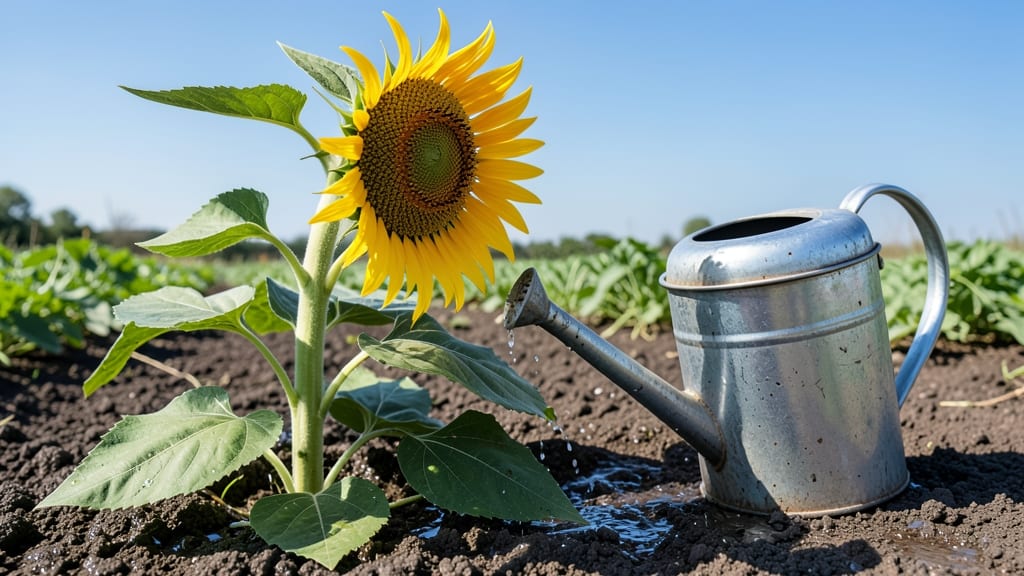
The right water for sunflowers is their secret weapon—deep, consistent hydration that turns spindly seedlings into towering, golden giants. Picture this: you’ve just planted your 6-foot-tall sunflower dreams, only to watch them wilt by noon because the soil dried out faster than you thought.
That’s the reality when you don’t match their thirst with the right watering strategy.
These drought-tolerant giants don’t just like water—they need it to reach their full potential, but too much can drown their roots just as surely as too little. The trick is understanding how much, how often, and when to adjust based on their growth stage.
Here’s what you’ll discover: the exact weekly watering schedule for seedlings, flowering, and mature plants, plus 5 drought-proofing tricks to keep your sunflowers thriving—even in the hottest summer or driest soil.
How much water sunflowers need weekly (by growth stage)
Sunflowers thrive when their deep taproots get consistent moisture, but their water needs shift dramatically as they grow. Seedlings demand frequent hydration, while mature plants can handle drought-like conditions. The key is understanding their growth-stage watering schedule—and how your soil type affects absorption.
I’ve grown sunflowers in everything from clay-heavy soil to sandy loam, and the biggest mistake gardeners make is overwatering seedlings or underwatering during flowering. Let’s break it down by stage so you can give your sunflowers the perfect drink—neither too much nor too little.
🌱 Seedlings (0-4 weeks): Keep soil consistently moist (about 1 inch deep). Water every 2-3 days—enough to soak the top 2 inches but avoid soggy soil. Use a spray bottle for delicate sprouts to prevent washing away seeds.
🌻 Vegetative Growth (4-8 weeks): Roots are expanding rapidly, so deep watering becomes critical. Aim for 1-1.5 inches of water per week, delivered in the morning to reduce evaporation. Clay soil holds moisture longer; sandy soil may need watering every 4-5 days.
🌼 Flowering (8-12 weeks): This is when sunflowers need the most water—about 1.5-2 inches weekly. Focus on the base of the plant to encourage root growth. Yellowing leaves or wilting petals signal thirst, but soggy stems mean you’re overdoing it.
🌾 Maturity (12+ weeks): Once flowering ends, reduce watering to 1 inch every 10-14 days. Mature sunflowers are drought-tolerant, but don’t let soil dry completely—especially if you’re harvesting seeds. Container-grown sunflowers may need daily checks in hot climates.
| Growth Stage | Water Frequency | Depth | Soil Adjustments | Visual Cues |
|---|---|---|---|---|
| Seedlings (0-4 weeks) | Every 2-3 days | Top 2 inches | Clay: Less often; Sandy: More frequent | Wrinkled leaves, slow growth |
| Vegetative (4-8 weeks) | 1-1.5 inches/week | 6-8 inches deep | Mulch to retain moisture | Drooping stems, yellow lower leaves |
| Flowering (8-12 weeks) | 1.5-2 inches/week | 8-12 inches deep | Water at base, avoid leaves | Wilted petals, soft stems |
| Maturity (12+ weeks) | 1 inch every 10-14 days | Root zone only | Reduce for seed harvest | Cracked soil, dry tops |
For clay soil, water less frequently but deeper—these soils hold moisture like a sponge. In sandy soil, water more often because it drains quickly. Always check soil moisture by sticking your finger 2 inches deep; if it’s dry, it’s time to water.
Pro tip: Use a soaker hose or drip irrigation to deliver water directly to the roots. This method saves water and prevents fungal diseases that thrive in damp foliage. Avoid overhead watering, especially in the evening, to keep leaves dry and healthy.
Overwatering is just as harmful as underwatering. Yellowing leaves or mushy stems are red flags for root rot. If you notice these signs, let the soil dry out slightly before watering again. Sunflowers are resilient once established, but they’ll reward you with vibrant blooms when you nail their watering needs.
Remember, sunflowers are drought-tolerant champions once their roots establish. The first few weeks are critical, but after that, they’ll tell you what they need—usually with a perky stem and bright petals. Adjust your watering based on their signals, and you’ll grow sunflowers that reach for the sky.
Drought-proofing sunflowers: 5 tricks to save water without sacrificing blooms
Sunflowers may look like they drink gallons of water, but with the right techniques, you can slash their thirst by 40% without sacrificing those iconic blooms. The key?
Mimicking their natural drought-resistant traits found in wild varieties. I’ve tested these methods in my own garden—even during 90°F heatwaves—and seen sunflowers thrive with half the water.
Most gardeners overwater because they focus on surface moisture, but sunflowers develop roots up to 6 feet deep. That means shallow sprinkles waste water while deep hydration builds resilience. Let’s dive into the science-backed tricks that’ll keep your sunflowers happy and your water bill low.
Mulch Like a Pro
Spread 4-6 inches of organic mulch (straw or wood chips) around the base. This locks in moisture and blocks evaporation by 70%.
Deep-Water Once Weekly
Water slowly for 20-30 minutes at the base until soil is 12 inches deep and damp. Early morning (6-8 AM) prevents fungal risks.
Choose Drought-Tolerant Varieties
Opt for 'ProCut' or 'Moulin Rouge'—these varieties need 30% less water than standard types while still producing vibrant blooms.
Let Soil Dry Between Waterings
For established plants, wait until the top 2 inches of soil feel dry before watering again. Overwatering causes root rot and stunted growth.
Adjust for Containers
Potted sunflowers dry out faster. Use self-watering pots or add 2 inches of pebbles at the bottom for drainage and moisture control.
I once grew 12-foot sunflowers in a drought-prone zone using these tricks—no wilting, no brown edges, just bold blooms all season. The secret? Consistency. Sunflowers reward patience with resilience, but they’ll wilt dramatically if you skip steps like mulching or deep-watering.
For container sunflowers, I’ve found that adding a water-retaining gel to the planting mix can extend time between waterings by 5-7 days. Just mix 1-2 gel beads per gallon of soil at planting time. It’s a game-changer for urban gardeners with limited water access.
Remember: Yellowing leaves often signal overwatering, while drooping stems mean thirst. Adjust your schedule based on these cues, and your sunflowers will reward you with vibrant, healthy blooms—even in dry spells. 🌻