
Blooming
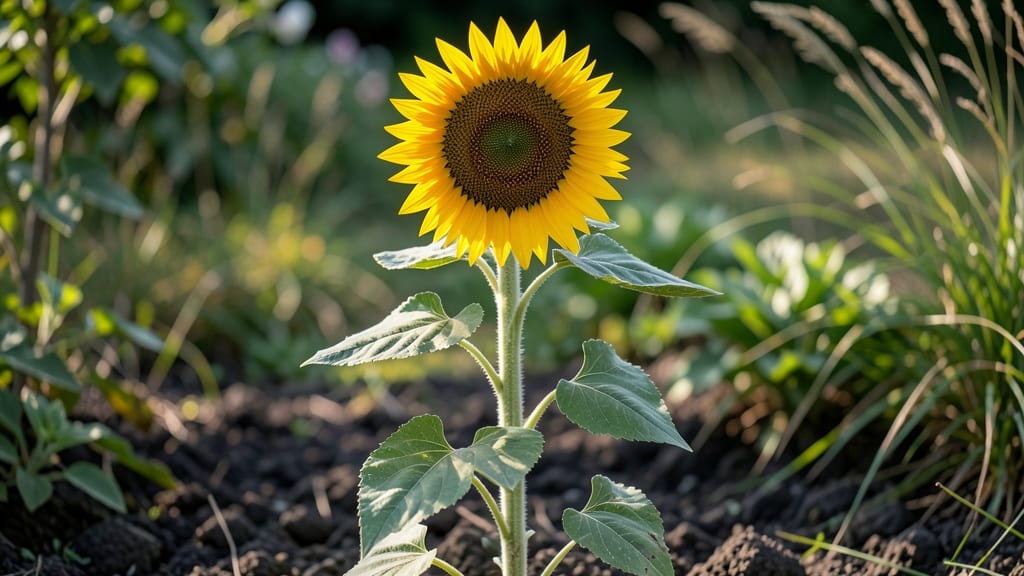
What time of year do sunflowers bloom? They appear in late summer to early fall 🌻 — their golden faces turning toward the sun as the days grow shorter, a natural clock that gardeners rely on to mark the season.
But here’s the catch: that timing shifts depending on where you live. In warmer zones, they might start as early as July, while up north, you could still be waiting for blooms in September.
Variety also plays a role — some sunflowers race to flower in 60 days, while others take nearly four months to reach their peak.
If you’ve ever planted sunflowers only to watch them bolt into seed without blooming, you’re not alone. The key to coaxing those cheerful faces out of your garden lies in understanding your zone, choosing the right variety, and giving them the full sun and well-drained soil they crave.
Below, I’ll break down exactly when sunflowers bloom by USDA zone, how to pick varieties that fit your climate, and simple tricks to keep them flowering all season long — no guesswork required.
Sunflower blooming seasons by USDA hardiness zones
Sunflowers thrive on summer’s warmth, but their blooming windows shift dramatically across USDA zones 3-11. In cooler northern zones (3-5), expect blooms from late July to early September, while southern zones (9-11) enjoy golden displays as early as May through October.
Even within zones, coastal climates may bloom 2-4 weeks earlier than inland areas due to milder temperatures.
Your local last frost date sets the planting deadline—wait until soil temperatures hit 50°F (10°C) for optimal germination.
In Zone 4, this often means late May, while Zone 8 gardeners can start as early as March. Heat tolerance varies by variety, with some late-season types thriving in 100°F+ temperatures.
🌱
| USDA Zone | Typical Bloom Window | Early Varieties | Mid-Season Varieties | Late Varieties | Climate Notes |
|---|---|---|---|---|---|
| 3-4 (Coldest) | Late July–Early Sept | ‘Autumn Beauty’ (80 days) | ‘Russian Giant’ (90-120 days) | ‘Moulin Rouge’ (75 days) | Plant after May 15; use row covers for frost protection |
| 5-6 (Temperate) | Mid-July–Mid-Sept | ‘Teddy Bear’ (55 days) | ‘ProCut’ (60-70 days) | ‘Italian White’ (90 days) | Coastal areas bloom 2 weeks earlier than inland |
| 7-8 (Warm) | June–October | ‘Sunspot’ (50 days) | ‘Mammoth’ (100-120 days) | ‘Evening Sun’ (60 days) | Succession plant every 2-3 weeks for continuous blooms |
| 9-11 (Tropical) | April–November | ‘Little Becka’ (55 days) | ‘Sunflower ‘Lemon Queen’ (70 days) | ‘Giant Russian’ (120+ days) | Plant in fall for winter blooms in mild zones |
In USDA Zone 3, where frost dates can extend into June, opt for early-maturing varieties like ‘Teddy Bear’ (55 days) to avoid fall frosts cutting blooms short. These dwarf varieties also handle wind better than towering types in exposed gardens.
Meanwhile, Zone 10’s long growing season lets you enjoy three bloom cycles—spring, summer, and fall—if you plant every 6 weeks.
Heat waves can stress sunflowers, causing bud drop or stunted growth. In Zones 8-11, provide afternoon shade during 100°F+ spells and mulch heavily to retain moisture. Drip irrigation at the base of stems prevents leaf scorch, which can delay blooming by 2-3 weeks.
💧
To extend bloom periods in cooler zones, try black plastic mulch—it warms soil by 5-10°F, accelerating germination and flowering. In Zone 4, this trick can shift blooms from August to July.
Conversely, shade cloth in Zones 9-11 during peak summer can delay bolting (flower stalk formation) by 3-4 weeks, letting you time blooms for holiday displays.
🌻
Pro tip: Succession planting every 2 weeks in Zones 5-9 ensures nonstop blooms from July to October. Pair early varieties (like ‘Sunspot’) with late types (like ‘Russian Giant’) for a 3-month show. Just remember—overcrowding steals sunlight, so space seeds 12-18 inches apart for optimal growth.
🌡️
For container gardeners, dwarf varieties like ‘Pocket Sun’ (3-4 feet tall) bloom 10-15 days earlier than standard types when grown in 5-gallon pots. The limited root space forces faster maturation. In Zone 6, this means June blooms instead of July—perfect for early summer color.
🪴
How sunflower varieties change bloom timing (fastest to latest)
Not all sunflowers bloom at the same time—some burst into color in early summer, while others wait until late fall. The key? Variety selection and day-length sensitivity.
Short-day varieties (like 'Autumn Beauty') need fewer daylight hours to flower, while long-day types (like 'Russian Giant') thrive with extended sun. Your USDA zone also shifts timing by 2-4 weeks.
For gardeners in short-season zones (3-5), early-blooming varieties like 'Teddy Bear' (dwarf) or 'Moulin Rouge' (red-petaled) are lifesavers—they flower in just 60-70 days. In longer growing seasons (8-11), late varieties like 'Russian Mammoth' stretch blooms into October, even after summer heat waves.
Height matters too: Giant varieties (10-16 ft) often take 10-12 weeks to bloom, while dwarf types (2-4 ft) may flower in 50-60 days. This means you can stagger plantings for continuous color—just like my neighbor who planted 'Autumn Beauty' in June and 'Teddy Bear' in July for a 3-month show.
| Variety | Bloom Time (Days) | Height (ft) | Ideal Planting Months | Day-Length Sensitivity |
|---|---|---|---|---|
| Teddy Bear | 50-60 | 2-3 | April-May | Neutral |
| Moulin Rouge | 60-70 | 4-5 | May-June | Short-day |
| Autumn Beauty | 70-80 | 5-6 | June-July | Short-day |
| Russian Giant | 90-120 | 10-16 | April-May | Long-day |
| Russian Mammoth | 100-130 | 12-16 | March-April | Long-day |
| ProCut | 60-75 | 3-4 | May-June | Neutral |
| Lemon Queen | 75-85 | 6-8 | April-May | Short-day |
| Sunspire | ★★★★★4.9(7 reviews) |