
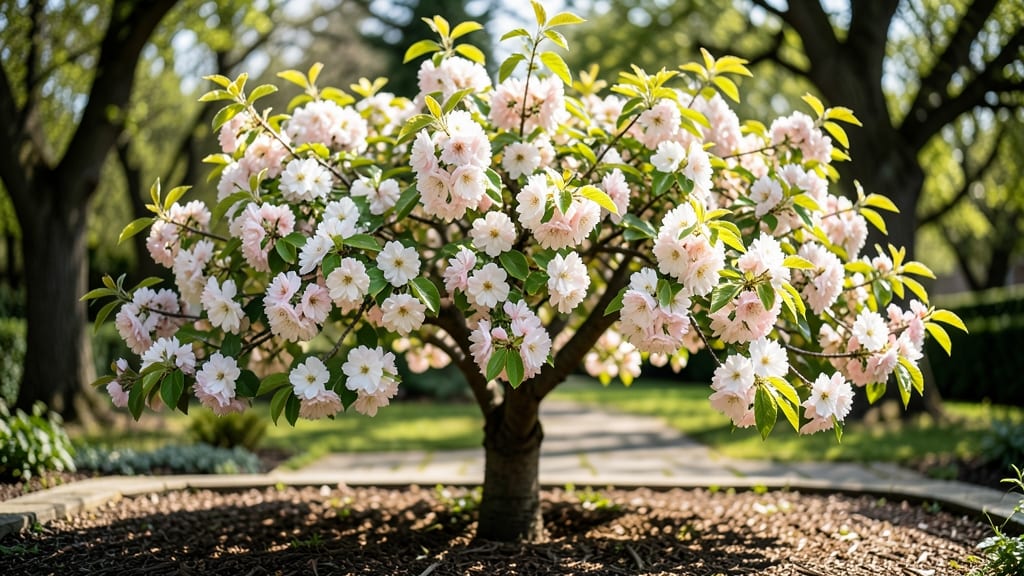
When Cherry Trees Flower: Exact Months by Variety and Climate Zone

Blooming

When Cherry Trees Flower: Exact Months by Variety and Climate Zone

Cherry trees flower in late winter to early spring, with exact timing depending on variety and climate zone — and getting it right means the difference between a spectacular bloom and a frost-damaged disappointment.

Picture this: your 🌸 cherry tree standing tall, its branches heavy with blossoms, while your neighbor’s tree across the street hasn’t even budded yet. Why the difference? It’s all about chilling hours, last frost dates, and whether you’ve planted a sweet Bing or a showy Yoshino.

Some varieties burst into bloom by March, while others wait until May, and missing that window can mean lost flowers—or worse, fruit.

If you’ve ever wondered why your cherry tree seems to bloom on a different schedule every year, the answer lies in your local climate. USDA Zone 6a gardeners, like me, know that a late frost in April can turn a stunning display into a sad, brown mess.

But with the right timing and a few smart care tips, you can protect those delicate blossoms and ensure your tree puts on a show year after year.

In this guide, I’ll break down the exact months cherry trees flower by variety, how climate affects blooming, and the care tips you need to keep your tree thriving—so you can plan your garden around those breathtaking spring blooms without a hitch.

Cherry tree flowering timeline by variety: exact months for 10 popular types

Knowing when cherry trees flower helps you time pruning, protect blossoms from frost, and even plan pollination for fruit varieties. Cherry trees bloom in early spring, but the exact timing varies by variety and climate zone.

Sweet cherries like Bing and tart cherries like Montmorency have different flowering windows, while ornamental varieties like Yoshino prioritize showy blooms over fruit. Below, I’ve broken down the flowering timeline for 10 popular types, adjusted for USDA zones 4-9.

Most cherry trees need 600-1,000 chilling hours (temperatures below 45°F) to trigger blooming. In warmer zones (8-9), flowering may shift to late winter or early spring, while cooler zones (4-6) see blooms in April or May.

Below, I’ll share exact months for each variety, plus tips to extend your tree’s blooming season or protect delicate flowers from frost.

Variety Type Flowering Month (Zones 4-6) Flowering Month (Zones 7-9) Bloom Notes
Bing Sweet Cherry Late April - Early May Mid-March - Late April Early bloomer; needs cross-pollination
Rainier Sweet Cherry Early May Late March - Early April Self-pollinating; late frost risk
Montmorency Tart Cherry Mid-April - Late April Early March - Mid-April Hardy; blooms early for tart cherries
Stella Tart Cherry Late April - Early May Mid-March - Late April Self-fertile; great for pies
Kwanzan Ornamental Early May Late April - Early May Deep pink blooms; reblooms lightly
Yoshino Ornamental Late April - Early May Mid-April - Late April White double blooms; iconic for landscapes
Lapins Sweet Cherry Early May Late March - Early April Disease-resistant; late frost tolerant
Black Tartarian Tart Cherry Mid-April - Late April Early March - Mid-April Dark fruit; early bloomer
Royal

How climate zone and frost dates affect cherry tree blooming

Your cherry tree’s blooming schedule isn’t set in stone—it’s a delicate dance between chilling hours, last frost dates, and your local USDA zone. In my Zone 6a garden, I’ve seen Bing cherries burst into bloom by late March, while Stella tart cherries wait until early May.

That’s because cherry trees need a specific number of cold hours (usually 500-1,000 hours below 45°F) to trigger flowering, followed by warm days to wake them up.

The confusion starts when you compare your yard to your neighbor’s. A microclimate—like a south-facing slope or a sheltered valley—can push blooming weeks earlier or later. Even within the same zone, a late frost in April can turn your 🌸 pink blossoms into brown mush overnight.

That’s why understanding your local frost dates is critical for protecting those delicate flowers.

⚠️ Late Frost Alert: How to Save Your Cherry Blossoms

Frost risk is the #1 threat to cherry blooms. If your last frost date falls after buds swell (usually March-April), take action:

  • 🌡️ Monitor forecasts: Sign up for local frost alerts (NOAA’s Frost/Freeze Warnings are gold).
  • 💦 Water trees overnight: A 1-inch layer of water raises soil temp by 2-4°F, protecting roots.
  • 🔥 Use row covers or blankets: Drape frost cloth over blossoms if temps drop below 28°F.
  • 🌿 Plant near heat sources: South-facing walls or evergreen windbreaks create microclimates that delay frost.

Pro tip: Ornamental cherries (like Yoshino) are less cold-hardy than fruit-bearing varieties—prioritize protection for these!

Let’s break it down by USDA zone. In Zones 4-5, where winters are harsh, cherry trees often bloom later (April-May) because they need more chilling hours.

My friend in Zone 4b Minnesota plants Montmorency tart cherries and waits until mid-May to avoid frost damage—even though the tree’s buds swell in early April. Meanwhile, in Zones 7-9, milder winters mean earlier blooming (February-April), but heatwaves can also stress blossoms before pollination.

Heatwaves are just as dangerous as frost. If your cherry tree flowers in March but a 90°F+ spell hits in April, the blossoms can drop prematurely, reducing fruit set.

In Zone 9, I’ve seen Rainier cherries bloom in February only to have their flowers shrivel under unseasonable heat. To combat this, mulch heavily in late winter to regulate soil temps and water deeply during dry spells to keep roots cool.

Don’t overlook microclimates—they’re game-changers. A south-facing slope in Zone 6a might warm up 2-3 weeks earlier than a north-facing valley. I once planted a Kwanzan cherry against my house’s brick wall, and it bloomed 10 days earlier than the same variety in my open yard.

If you’re unsure about your microclimate, use a home weather station for a year to track local frost dates and temperature swings.

For fruit-bearing cherries, timing is everything. Sweet cherries like Bing need cross-pollination from another variety (like Stella or Lapins) to set fruit. If one tree blooms weeks before its pollinator, you’ll end up with zero cherries.

In Zones 5-6, plant early-blooming varieties (like Montmorency) near late bloomers (like Bing) to overlap flowering windows. In Zones 7-9, where blooming is earlier, stagger planting to extend the pollination period.

Here’s my pro tip: If you love cherry blossoms but hate frost risk, choose late-blooming varieties like Stella tart cherries (May blooms) or Kwanzan ornamental cherries (rebloom in summer). For fruit, Rainier cherries bloom mid-April in Zone 6a, giving me a 2-week window before the last frost.

Plan your garden like a pro—know your zone, track your microclimate, and protect those blossoms like they’re 🌸 priceless!

★★★★★4.5(6 reviews)
Categories Blooming