
Plants
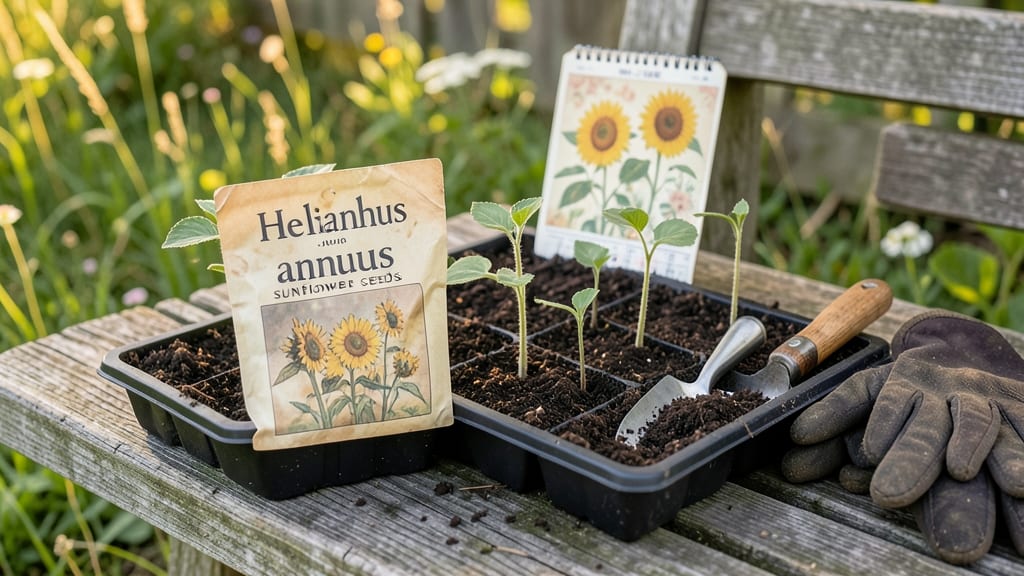
Planting sunflower seeds in Michigan after the last frost date—typically mid-April to mid-May—sets the stage for towering 🌻 blooms that thrive in Zone 5b/6b.
Michigan gardeners know timing is everything—plant sunflower seeds too early, and frost will kill them; too late, and your towering blooms may never reach their full potential. With Michigan’s unpredictable climate, mastering the frost-free window can mean the difference between a thriving sunflower patch and wasted seeds.
Sunflowers love warmth, so wait until soil temperatures hit at least 50°F before sowing. This usually aligns with late April or early May, but regional differences matter—northern Michigan may need to wait a week longer than southern areas.
In this guide, you’ll discover the exact frost-free timeline for your area, tips for extending the season, and the best sunflower varieties for Michigan’s short growing window. Let’s get those seeds in the ground at the perfect time!
Michigan sunflower planting dates by Zone 5b/6a: exact frost-free timeline
Michigan’s Zone 5b/6a climate creates a tight window for planting sunflower seeds—just 150-180 frost-free days to grow from seed to harvest. The key is waiting for soil temperatures to hit 50°F+ and the last frost to pass, typically between mid-April and early May.
Northern Michigan (Zone 5b) usually waits 1-2 weeks longer than southern regions (Zone 6a), so flexibility is critical.
Sunflowers are cold-hardy seeds that can tolerate light frost once sprouted, but direct sowing before soil warms delays growth and attracts pests. For Zone 5b, aim for May 1-15 as your primary window, while Zone 6a gardeners can start as early as April 15-30.
Always check your local Michigan State University Extension frost dates for the most accurate timing.
Here’s a breakdown of your planting timeline based on Michigan’s regional variations, including backup dates for unpredictable springs:
| Region/Zone | Primary Planting Window | Backup Window (Late Spring) | Soil Temp Threshold | Last Frost Date |
|---|---|---|---|---|
| Northern MI (Zone 5b) | May 1–15 | May 16–31 (if soil reaches 50°F) | 50°F+ (10°C+) | May 10–20 |
| Southern MI (Zone 6a) | April 15–30 | May 1–15 (if frost risk remains) | 50°F+ (10°C+) | April 20–May 5 |
| All Zones (Fall Sowing) | July 15–August 15 | August 16–September 15 (fast-maturing varieties only) | 60°F+ (15°C+) | N/A (harvest before frost) |
For Zone 5b gardeners in Traverse City or Marquette, the last frost date often slips into early May, so don’t rush—wait for consistent 50°F+ soil temps for 7+ days.
In Zone 6a areas like Detroit or Kalamazoo, you can push planting to late April, but monitor forecasts for late frosts, which can still occur in early May.
If spring arrives late, use row covers or cold frames to extend your window. Plant fast-maturing varieties (like 'Autumn Beauty' or 'Moulin Rouge') in late May for a second harvest before frost. These varieties bloom in 50-60 days, fitting neatly into Michigan’s short season.
Pro tip: Test your soil with a soil thermometer—sunflowers won’t germinate well below 50°F. If your soil is too cold, start seeds indoors in biodegradable pots and transplant after the last frost. This method adds 2-3 weeks to your growing season, ensuring taller, healthier stems.
Avoid planting before April 1 unless you’re using a greenhouse or cold frame. Early seeds risk rot or pest damage from soil-borne fungi and slugs, which thrive in Michigan’s damp springs.
Instead, focus on preparing your soil in March—amend with compost and sand to improve drainage, a must for sunflowers.
For fall planting, aim for July-August to harvest before the first frost (typically mid-October). Choose dwarf varieties like 'Teddy Bear' (3-4 feet tall) to avoid flopping in wind.
Plant seeds 1 inch deep and 6 inches apart, then water deeply to encourage rapid growth before cooler temps slow them down.
Remember: Michigan’s microclimates vary wildly—even 10 miles apart can mean a 2-week difference in frost dates. Use a local weather app or Almanac’s frost predictor to fine-tune your schedule.
With the right timing, your sunflowers will tower over your garden by summer’s end, attracting pollinators and adding bold color to your landscape.
How to extend Michigan’s sunflower growing season: tips for early/late planting
Michigan’s short growing season can feel like a race against time for sunflower lovers. But with the right strategies, you can push your sunflowers to bloom earlier or later than the typical frost-free window.
The key is balancing risk and reward—whether you’re chasing that first spring bloom or squeezing in a late-season harvest.
Sunflowers thrive in warmth, but Michigan’s Zone 5b/6a climate often leaves just 150–180 frost-free days. By using season-extending tools like cold frames or row covers, you can add weeks—or even months—to your growing window. The trick is knowing when to push limits and when to play it safe.
Here’s how to maximize your sunflower season with expert-approved techniques:
Sow seeds in cold frames or unheated greenhouses 4–6 weeks before your last frost date (early April). Use black plastic mulch to warm soil faster. Ideal for early blooms in May.
Plant seeds 2–3 weeks after your usual last frost date (early June) and cover with floating row covers. Removes risk of late frosts while protecting from pests. Works until mid-July.
Sow new seeds every 2 weeks from late April to early July. Ensures continuous blooms from June through September. Perfect for cut flowers or seed harvests.
Opt for 45–60-day varieties like ‘Autumn Beauty’ or ‘Teddy Bear’ for late starts. These tolerate cooler temps better than giant types, extending your harvest window by 2–3 weeks.
After harvesting seed heads, cut stems back by 1/3. Many sunflowers produce a second bloom in 4–6 weeks, giving you bonus flowers in late summer.
For early planting, start seeds indoors in mid-March under grow lights. Transplant seedlings outdoors after soil warms to 50°F (late April). This method can shave 2–3 weeks off your growing season, but watch for damping off in cold, wet soil.
If you’re planting late (June or later), focus on dwarf varieties like ‘Moulin Rouge’ and use black plastic mulch to absorb heat. These plants may not reach their full height, but they’ll still produce vibrant blooms and edible seeds by early fall.
Remember: Every strategy has trade-offs. Early starts risk frost damage, while late plantings may yield smaller blooms. But with these techniques, you’ll turn Michigan’s short season into a sunflower bonanza from June through October. Happy gardening! 🌻