
Flowers
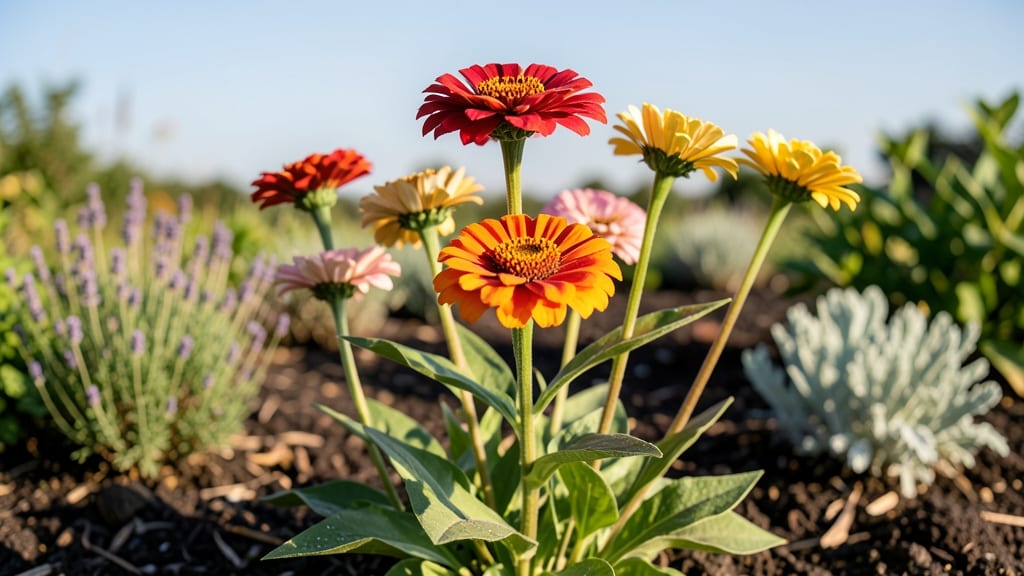
Zinnia flowers bloom in late spring to early fall 🌸, with most varieties reaching their peak between July and October—but timing depends on when you plant and your local climate.
Picture this: you’ve spent weeks watching those tiny seeds sprout, only to wonder why the blooms aren’t arriving when you expected. The truth? Zinnias are fast growers, but they need the right conditions to hit their stride—and some varieties outpace others by weeks.
Whether you’re in Zone 6a or further south, knowing the exact bloom window for your type of zinnia (and how to speed it up) is the secret to nonstop color all season.
Fast-blooming zinnias like 'Profusion' can burst into flower in as little as 45 days, while larger varieties might take closer to 75 days. The key? Planting at the right time—after your last frost (usually April–May in most regions)—and giving them plenty of sun.
But here’s the game-changer: deadheading spent blooms and choosing heat-tolerant types can stretch your season well past the first frost.
In this guide, I’ll break down the fastest varieties, the best planting months for your zone, and 5 pro tips to make zinnias bloom earlier—and keep them going until late fall. Ready to turn your garden into a pollinator paradise?
Zinnia bloom times by variety: fastest-flowering types for your region
If you're dreaming of a nonstop parade of zinnia blooms, timing your plantings right is key. Some varieties burst into flower in just 30 days, while others take twice as long.
The secret? Choosing the right fast-flowering zinnias for your climate and understanding their heat tolerance and cold-hardiness limits. Let’s break down the fastest performers and how to maximize their bloom potential.
Zinnias thrive in warm weather and full sun, but their bloom timing varies dramatically by variety. The earliest bloomers—like 'Profusion' series—can flower in as few as 30 days, while larger varieties like 'Benary’s Giant' take 60–75 days.
This difference means you can stagger plantings for continuous color from early summer to frost. Let’s explore the fastest options first.
The 'Profusion' series is my top pick for fastest blooms, often flowering in just 30 days from seed. These compact zinnias are perfect for containers, borders, or cutting gardens and thrive in hot, dry conditions.
Their dwarf stature (12–18") makes them ideal for small spaces, and they continue blooming until frost if you deadhead regularly. For cooler climates (Zones 7–8), pair them with 'Thumbelina' for a prolonged display.
If you're in a warmer climate (Zones 9–11), 'Benary’s Giant' zinnias deliver showstopping blooms but require more time—60–75 days to flower. These tall, dramatic varieties (36–48") need staking or support and perform best when planted after the last frost.
Their late-season blooms extend your garden’s color into fall, making them worth the wait for patient gardeners.
For early-season color, 'Crystal' and 'Magnolia' series zinnias strike a balance, blooming in 45–60 days. These varieties are heat-tolerant and drought-resistant, perfect for xeriscaping or low-maintenance gardens
Best planting months for zinnias in different US zones: a month-by-month guide
Timing your zinnia planting is the secret to nonstop summer blooms 🌻. In cooler northern zones (3–5), you’ll want to start seeds indoors in March and transplant after your last frost.
Meanwhile, gardeners in southern zones (8–11) can direct-sow as early as February—but watch for heat stress. The key? Plant when soil temperatures hit 60°F+ to avoid leggy seedlings.
Most zinnias bloom 45–75 days after planting, but your zone dictates the window. For example, Zone 6a gardeners see peak blooms from July to October, while Zone 9 can enjoy flowers from May to December.
The trick? Succession planting every 2–3 weeks keeps your garden in bloom all season.
🌱 SUMMARY-TABLE: ZINNIA PLANTING & BLOOM TIMES BY ZONE
| USDA Zone | Best Planting Month | Soil Temp (°F) | Bloom Window | Pro Tip |
|---|---|---|---|---|
| Zones 3–5 | Start indoors: March Transplant: May–June |
60°F+ | July–September | Use row covers to extend season |
| Zones 6–7 | Direct sow: April–May | 60°F+ | June–October | Choose 'Profusion' for fast blooms |
| Zones 8–9 | Direct sow: February–March | 65°F+ | April–November | Deadhead weekly for nonstop blooms |
| Zones 10–11 | Direct sow: January–February | 70°F+ | March–December | Shade cloth in peak summer to prevent bolting |
For early summer blooms, plant fast varieties like 'Thumbelina' in late April (Zones 6–7). These dwarf zinnias bloom in just 45 days—perfect for container gardens or cutting flowers. In warmer zones (8–11), stagger plantings every 3 weeks to ensure continuous color until frost.
If you’re in a cooler climate (Zones 3–5), try succession planting in June for late-summer blooms. Use black plastic mulch to warm the soil faster and prevent fungal issues. And don’t forget: zinnias thrive in full sun (6+ hours), so choose a south-facing spot for the best results.
One common mistake is planting too early in cold zones, which leads to stunted growth or disease. Wait until the soil is consistently 60°F+—use a soil thermometer to check! For extended blooms, deadhead regularly and fertilize lightly with a 5-10-5 blend every 4–6 weeks during the growing season.
With the right timing, your zinnias will reward you with months of vibrant color—and happy pollinators! 🌼 Start planning your plantings now to avoid the "summer slump" and enjoy a garden that stays in bloom until frost.