
Flowers
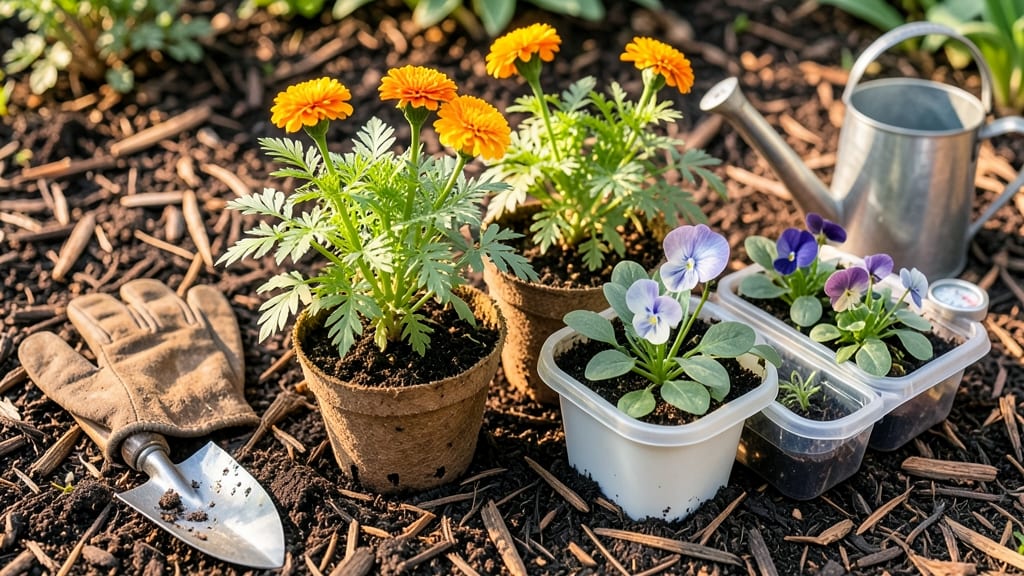
It’s safe to plant flowers outside after your last frost date, when soil temperatures hit at least 60°F and nights stay reliably warm.
Waiting to plant your flowers until the last frost has passed can mean the difference between a vibrant garden and a sad, wilted disappointment—but how do you know when it’s really safe?
In USDA Zone 6a, like much of the Midwest, that window typically opens in mid-April, but tender varieties like petunias or marigolds need even warmer soil. Hardy perennials, though, can handle a little chill.
Below, I’ll break down how to check your local frost-free date, spot the signs of safe planting, and adjust for your specific flower types—so you can get your 🌸 blooms off to the best start.
How to determine your frost-free date by USDA Zone & flower type
Your frost-free date is the average last frost date in spring, calculated by your USDA hardiness zone and local climate patterns. For Zone 6a, this typically falls between April 15-30, but exact timing varies by region.
Heat-sensitive annuals like marigolds and petunias need warmer soil (60°F+) to thrive, while cold-hardy perennials like coneflowers can handle cooler temperatures.
To find your precise frost-free date, check the USDA Plant Hardiness Zone Map and consult your local cooperative extension service. They provide historical frost data and can adjust for microclimates like urban heat islands or valley bottoms.
For example, Zone 7a gardeners might plant 2 weeks earlier than Zone 6a neighbors just a few miles away.
Next, categorize your flowers into three tolerance groups: cold-hardy perennials (plant 2-4 weeks before last frost), moderate annuals (plant after last frost), and heat-sensitive tropicals (wait until soil reaches 70°F+).
My Zone 6a garden starts with pansies in early April, followed by geraniums in mid-May, and saves begonias for June.
| USDA Zone | Avg. Last Frost | Cold-Hardy Perennials | Moderate Annuals | Heat-Sensitive Tropicals |
|---|---|---|---|---|
| Zone 3-4 | May 1-15 | Early April (60°F soil) | After May 15 | June 1+ (70°F+ soil) |
| Zone 5 | April 20-May 5 | Late March (55°F soil) | After May 5 | Late May (65°F+ soil) |
| Zone 6a | April 15-30 | Early April (60°F soil) | After April 30 | Early June (70°F+ soil) |
| Zone 7b-8a | March 15-April 15 | February-March (50°F soil) | After March 15 | April 15+ (60°F+ soil) |
| Zone 9-10 | January-February | December-January (55°F soil) | After February 1 | Year-round (65°F+ soil) |
For annual flowers, prioritize varieties with short days to maturity (30-60 days) to maximize your growing season. My Zone 6a garden features cosmos (50 days) and zinnias (60 days) for summer-long color, while sunflowers (90 days) get a head start in early May.
Use row covers to extend the season for tender plants like impatiens by 2-3 weeks.
Perennials like black-eyed Susans and bee balm can handle light frosts after establishment, but young transplants need protection until soil warms. In my garden, I mulch heavily in early spring to insulate roots and water deeply before the first frost to prevent winter damage.
For tender perennials like canna lilies, I wait until mid-May when nighttime temps stay above 55°F.
Don’t rely solely on the calendar—use a soil thermometer to confirm readiness. I test
Signs it’s truly safe to plant flowers (beyond the calendar)
Relying solely on the calendar for planting flowers can lead to frost damage or stunted growth. Instead, focus on real-world indicators that confirm your garden is ready.
These signs go beyond frost dates and help you adapt to your microclimate, whether you’re in a city heat island or a shaded backyard.
Your local weather patterns often give the first clue. If you’ve had three consecutive nights above 50°F (10°C) without frost warnings, your flowers are likely safe. But don’t stop there—dig deeper into the soil and observe nature’s cues to ensure a thriving garden.
🌱 5 Key Signs It’s Safe to Plant Flowers
- 1. Soil Temperature: Use a soil thermometer—ideal temps are 60°F (15°C) for most flowers. Cooler soils delay root growth and increase disease risk.
- 2. Tree Leaves Unfurling: When maple or lilac trees fully leaf out, it’s a sign spring has arrived. These trees bloom early and signal stable warm weather.
- 3. Consistent Nighttime Warmth: Nights above 45°F (7°C) for a week mean frost is unlikely. Tender flowers like petunias thrive in these conditions.
- 4. Hummingbirds Returning: These pollinators arrive when flowers are safe to plant. Their presence confirms stable temperatures and food sources for your blooms.
- 5. Microclimate Adjustments: Slopes warm faster than valleys, and urban areas can be 10°F warmer than rural zones. Test your spot with a thermometer for accuracy.
Adjust your planting timeline based on your flower types. Hardy perennials like coneflowers can handle cooler soils, while tender annuals like geraniums need warmer conditions. Always plant perennials 2-3 weeks earlier than annuals for a head start.
Pay attention to local weather forecasts for extended outlooks. A 10-day forecast showing no frost risk is a green light for planting. Combine this with soil checks to avoid surprises—especially in USDA Zone 6a, where late frosts can linger into May.
For urban gardeners, heat islands can create false signals. If your soil feels too warm (above 70°F), mulch heavily to retain moisture and protect roots. Shade-loving flowers like impatiens may need planting earlier than sun-lovers.
Trust your observations over the calendar. When soil, weather, and nature align, your flowers will thrive—not just survive. Happy planting! 🌹