
Plants
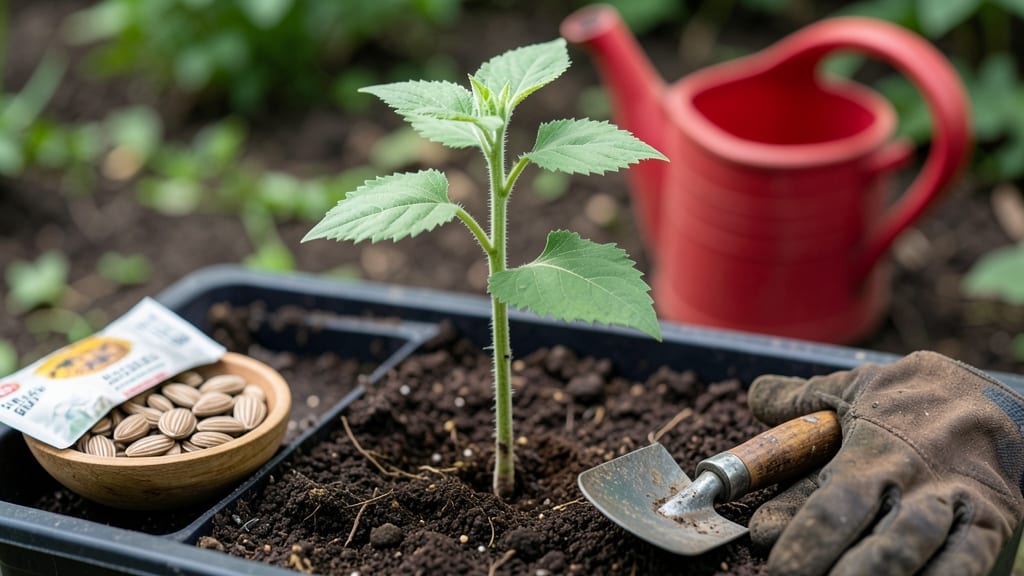
Planting sunflower seeds in Florida after the last frost — ideally in March or April — unlocks those towering 🌻 blooms before summer’s heat peaks.
Sunflowers thrive in Florida’s long, warm growing season—but planting them at the wrong time can leave you with wilted seeds or stunted stalks. Timing is everything for coaxing those towering, sun-drenched blooms from your garden.
North Florida’s cooler winters mean you can start as early as February, while South Florida’s frost-free climate lets you sow seeds year-round. The key is avoiding the brutal summer heat, which stresses young plants.
Below, I’ll break down the best months by zone, soil prep tricks for Florida’s sandy soil, and how to space your seeds for maximum height—because nothing beats a 12-foot sunflower towering over your yard.
Florida sunflower planting calendar: best months by heat Zone
Florida’s 11 heat zones create dramatic differences in sunflower success. In Zone 9A (North FL), last frost typically hits January 15, while Zone 11 (South FL) enjoys frost-free winters. Planting too early risks seed rot in cold soil, while late plantings may struggle with summer heat stress.
For giant sunflowers (10+ feet), aim for soil temperatures above 60°F. In North Florida, this means waiting until March 15-April 15, while South Florida gardeners can start as early as February 1. The key is avoiding peak summer heat (June-August), which can scorch young plants.
🌱 Pro Tip: Use a soil thermometer to confirm temps before planting. Ideal germination range is 70-90°F. In Zone 10A (Central FL), you can even plant year-round with proper shade protection during extreme heat.
For fall plantings, aim for August-September to avoid summer heat. In Zone 10B (Orlando), you can even plant through November for winter blooms. The Russian Giant variety thrives in these conditions, reaching 18 feet with proper care.
In North Florida (Zones 9A-9B), focus on spring plantings to maximize bloom time before summer heat sets in. Use shade cloth (30-50%) if planting in June-July to protect seedlings from intense sun.
💡 Key Insight: Florida’s humidity accelerates growth—monitor for powdery mildew during peak bloom. Space plants 24" apart for giant varieties to improve airflow and reduce disease risk.
For extended seasons, try succession planting every 2-3 weeks from March through September. This ensures continuous blooms and prevents overcrowding. In South Florida (Zone 11), you can even grow two full cycles per year!
Always check local frost dates
Sunflower seed planting depth and spacing for Florida’s climate
Florida’s sandy soils and high humidity demand precise sunflower seed planting techniques to avoid rot or stunted growth. The ideal depth for sunflower seeds is 1 inch deep, which balances moisture retention with aeration—critical for Florida’s quick-draining soil.
Shallow planting (¼ inch) risks drying out, while deeper planting (>1.5 inches) can delay germination in heat.
Spacing matters just as much as depth, especially for Florida’s tall varieties like ‘Mammoth’ or ‘Russian Giant’. Crowding leads to weak stalks and disease spread in humid air. Let’s compare the best methods for Florida’s unique conditions.
| Method | Depth | Spacing | Best For | Florida Note |
|---|---|---|---|---|
| Direct Sowing | 1 inch | 12-18 inches | Home gardens | Best for North FL’s cooler zones |
| Succession Planting | 1 inch | 24 inches | Extended harvests | Ideal for South FL’s year-round growing |
| Container Growing | ½ inch | 12 inches | Balconies/patios | Use well-draining mix to prevent rot |
| Companion Planting | 1 inch | 18-24 inches | Pest control | Pair with basil or marigolds to deter pests |
For Florida’s sandy soils, I recommend adding 2 inches of compost before planting to improve moisture retention. This helps young seedlings establish roots faster in our quick-draining conditions. Water gently after planting to settle soil without displacing seeds.
Spacing sunflowers 18-24 inches apart gives them room to grow tall without competing for nutrients. In South Florida’s heat, wider spacing (24 inches) reduces humidity-related diseases. For North Florida’s cooler zones, closer spacing (12-18 inches) works well for shorter varieties.
Companion planting is a game-changer in Florida. Pair sunflowers with basil or marigolds to repel pests like aphids, which thrive in our warm, humid climate. Avoid planting near beans or potatoes, as they compete for the same nutrients and can stunt growth.
After planting, mulch with straw or pine needles to lock in moisture and regulate soil temperature. This is especially important during Florida’s summer heat waves, which can dry out soil quickly. Monitor seedlings closely—they’ll emerge in 7-14 days under ideal conditions.
With the right depth, spacing, and companions, your Florida sunflowers will reach their full 10-16 foot potential while thriving in our unique climate. Happy growing! 🌻