
How To
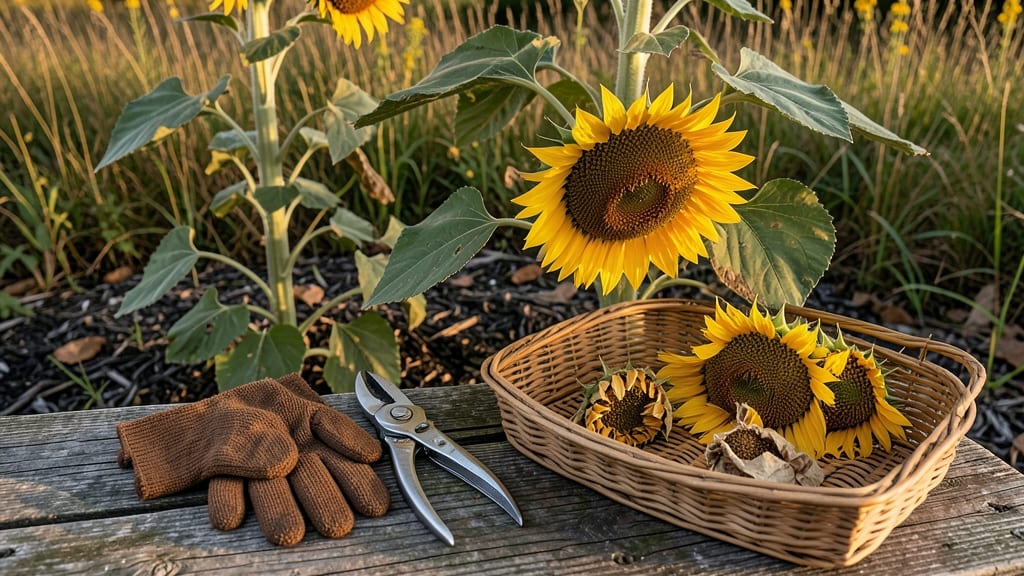
Harvesting sunflower heads at the right time ensures plump, viable seeds 🌻—and missing that window means brittle, unusable husks.
Picture this: you’ve nurtured your sunflowers all season, only to wait too long and end up with seeds that crumble at the touch. The difference between a perfect harvest and a wasted one often comes down to knowing three key visual cues—petal color, seed firmness, and head dryness.
Timing matters just as much as technique. In USDA Zone 6a, the ideal window stretches from late July through September, but regional weather can shift that by weeks. A dry, sunny morning is the best time to pick, when moisture won’t ruin your seeds.
Inside, I’ll walk you through how to spot maturity, when to act, and what to do next to store seeds for planting next year—no guesswork, just proven steps for perfect results.


3 Visual signs your sunflower heads are ready for harvest
Harvesting sunflower heads at the right time ensures plump, viable seeds packed with nutrition and flavor. But how do you know when they're truly ready? Miss the window, and you risk shriveling seeds or attracting pests.
The key lies in three visual maturity cues that every sunflower grower should watch for—petal drop, seed color changes, and head firmness.
I’ve learned the hard way that waiting too long can turn your harvest into brittle husks, while harvesting too early means underdeveloped seeds. These three signs will help you pinpoint the perfect moment to cut your sunflowers for the best results. Let’s break them down step by step.
Look for the outer petals to curl inward and darken from golden-yellow to tan or brown. This signals the plant is redirecting energy to seed development.
The back of the flower head (where seeds form) should turn from green to golden-brown. Press gently—it should feel solid, not spongy, like a hardball.
Grasp the seed head and shake gently. If seeds rattle loudly inside, they’re fully mature. No rattle? Wait 3-5 more days.
Let’s start with the most obvious sign: petal drop. When the outer petals of your sunflower begin to curl and brown, it’s your first clue that the plant is shifting resources from blooms to seed production.
I always check this first because it’s the most visible indicator of maturity. Look for the edges of the petals to turn tan or straw-colored—this happens about 2-3 weeks before full maturity.
Next, focus on the seed head’s color. The green bracts at the base of the flower head will gradually darken to golden-brown. This change happens from the center outward, so even if some green remains, the majority should be brown.
Pro tip: Use a flashlight to peek inside the head—if the seeds are dark brown or black, they’re ready for harvest.
Don’t overlook the firmness test, which is often overlooked but critical. A mature sunflower head should feel heavy and solid, almost like a dense, wooden ball. If it’s still lightweight or squishy, the seeds aren’t fully developed.
I’ve made the mistake of harvesting too early, only to find soft, unformed seeds that won’t store well.
One common mistake gardeners make is harvesting based on flower size alone. Just because a sunflower is tall and wide doesn’t mean the seeds are ready. Always cross-check all three signs—petal drop, seed color, and head firmness—to avoid disappointment.
For example, a large sunflower with green petals is not ready, even if it looks impressive.
If you’re growing sunflowers in a hot, dry climate, the maturity process can speed up. In these conditions, the petals may drop faster, and the seed head can dry out more quickly.
I’ve noticed this in my Zone 8 garden, where sunflowers often mature 10-14 days earlier than in cooler regions. Always adjust your harvest timing based on your local weather patterns.
For large varieties like Mammoth or Russian Giant, the seed heads can take longer to mature—sometimes up to 120 days. Smaller varieties, like Teddy Bear or Sunspot, may mature in as few as 60 days.
Knowing your variety’s typical maturity time helps you anticipate the visual cues and harvest at the perfect moment.
Once you’ve confirmed all three signs, it’s time to harvest. Use a sharp pruning shear or clean knife to cut the stem about 6 inches below the flower head.
Leave the leaves intact to help dry the head naturally. Hang the cut heads upside down in a dry, well-ventilated space for 2-3 weeks to fully dry the seeds.
Remember, patience is key when harvesting sunflowers. Rushing the process can ruin your seeds, but waiting too long can lead to shattering or mold growth. By mastering these three visual cues, you’ll consistently harvest plump, high-quality seeds every season. Happy gardening!
Best time of day and season to harvest sunflower seeds
Timing your sunflower harvest correctly is half the battle—morning is always the best time of day to pick. Why? Dew evaporates by midday, reducing moisture that can cause seeds to mold.
Aim for 7-9 AM on a dry, sunny day when humidity is low. This gives seeds time to dry naturally before storage, preserving their viability for next year’s planting.
Seasonally, late summer to early fall marks the prime window for harvesting sunflower seeds in USDA Zone 6a. Most varieties mature between 70-120 days after planting, landing you in July through September.
However, cooler climates may extend this window into October, while hotter regions might see earlier harvests as early as June.
Climate plays a critical role in your harvest schedule. In humid regions, like the Southeast, prioritize harvesting before rain—even a light shower can ruin seeds. Meanwhile, arid climates (e.g., Southwest) may require extra vigilance to avoid harvesting too early, as dry conditions can accelerate seed drying.
| Factor | Ideal Conditions | Avoid |
|---|---|---|
| Time of Day | 7-9 AM (dry, dew-free) | Afternoon (high humidity) |
| Season | Late July–September (Zone 6a) | Early morning dew or rain |
| Weather | Sunny, <60% humidity | Cloudy or windy days |
| Climate Adjustments | Harvest earlier in heat; later in cool | Ignoring local frost dates |
Pro tip: If you’re unsure whether your sunflowers are ready, shake the head gently. Mature seeds will rattle inside like a maraca—this is your green light to harvest. Overripe seeds may shatter when touched, while underripe ones will feel soft and hollow.
For gardeners in northern climates, watch for the first frost (typically mid-October in Zone 6a). If frost threatens before seeds are ready, harvest heads early and dry them indoors under a fan.
In southern climates, where frost comes later, you may have until November—but don’t wait too long, or birds will beat you to the seeds!
Once you’ve mastered the timing, store your dried heads in a cool, dark place (like a paper bag) for 1-2 weeks to finish drying. Then, rub the seeds free by hand—just don’t rush it! Patience now means healthier plants and bigger blooms next season. 🌻