
Planting
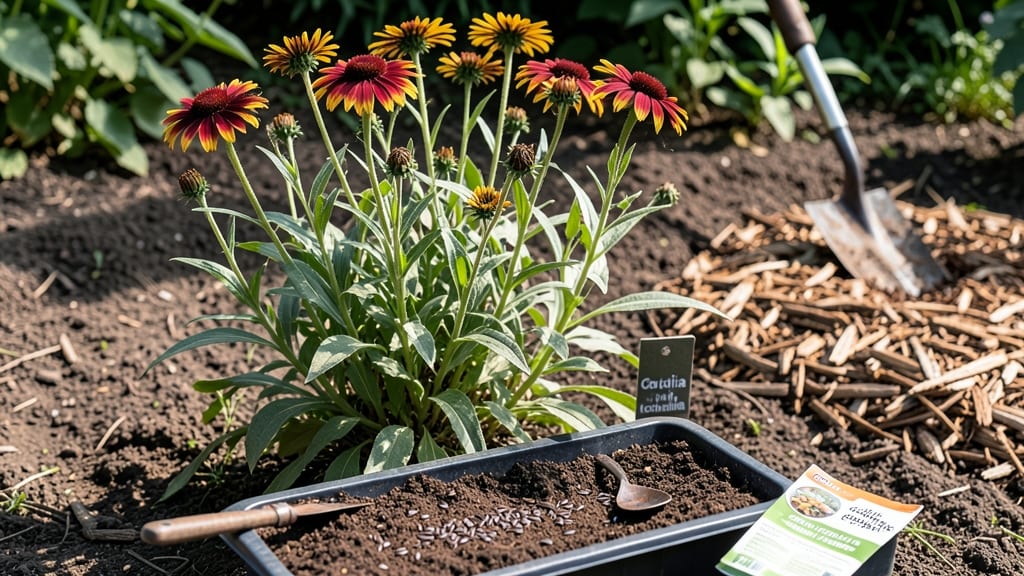
To plant blanket flower seeds at the right time ensures vibrant blooms from summer to fall, but getting the timing wrong can mean sparse flowers or no growth at all.
Picture this: you’ve waited all winter for your garden to burst into color, only to find your blanket flower 🌼 seeds struggling because you planted them too early or too late.
The key to success lies in understanding your USDA zone and soil temperature triggers, which can vary dramatically across the country.
In cooler zones like 6a, aim for planting in April or May, once the soil has warmed to at least 50°F and the last frost has passed.
Warmer climates can start as early as March, but timing isn’t just about the calendar—it’s about the soil’s readiness to support those delicate seeds.
Below, I’ll break down the exact planting windows by zone, soil temperature tips to jumpstart germination, and pro tricks to avoid common mistakes. By the end, you’ll know exactly when to plant for a garden bursting with bold, long-lasting blooms.
Best planting months for blanket flower seeds by USDA Zone
Blanket flowers (Gaillardia) thrive when planted at the right time, but the perfect window depends entirely on your USDA zone. In colder zones like 3-5, you’ll plant early spring to avoid frost damage, while warmer zones like 8-11 can extend planting into fall for extended blooms.
The key is aligning your planting with your last frost date and the plant’s 100-day flowering cycle.
For example, if you plant in Zone 6 in early May, your blanket flowers will bloom by late summer—just in time for peak color. But in Zone 10, you can plant as late as September and still enjoy vibrant flowers before winter.
Let’s break it down by zone to ensure you never miss the ideal window.
🌱 Pro Tip: Always check your local frost-free dates using the USDA Plant Hardiness Zone Map or your nearest Cooperative Extension Service. Microclimates (like urban heat islands or sheltered valleys) can shift your ideal planting window by 2-4 weeks.
The 100-day rule is your secret weapon for fall blooms. If you want blanket flowers to bloom in autumn, count backward from your first frost date.
For example, in Zone 5, with a first frost around October 15, plant by July 15 to ensure flowers appear before winter sets in.
In warmer zones (8-11), you can even stagger plantings every 3-4 weeks from spring through summer. This creates a continuous bloom cycle from early summer to frost. Just ensure your soil stays consistently warm—blanket flowers hate soggy, cold roots.
For cooler zones (3-6), focus on spring planting after the last frost. If you’re eager for color, consider starting seeds indoors 6-8 weeks before your last frost date. Use a heat mat to maintain soil temps above 55°F for faster germination.
🌿 Regional Adjustments: Coastal areas may have milder winters and can plant 2-3 weeks later than inland zones. Conversely, desert climates (like Zone 9-10) should plant in early spring or fall to avoid summer’s extreme heat.
If you’re unsure about your zone, use the USDA Zone Finder tool and enter your ZIP code. Then, mark your last frost date on a calendar. Planting 2-4 weeks after this date gives blanket flowers enough time to establish roots before summer heat arrives.
Finally, remember that direct sowing is best for blanket flowers—they hate transplanting. Scatter seeds on prepared soil, cover lightly with 1/4 inch of compost, and water gently. Within 10-14 days, you’ll see those first tiny green sprouts pushing through!
Soil temperature triggers: when blanket flower seeds will germinate
Blanket flower seeds (Gaillardia) are finicky about soil warmth—plant them too early or late, and you’ll end up with weak seedlings or no germination at all.
The key to success lies in understanding their ideal soil temperature range, which triggers those tiny seeds to wake up and sprout. For blanket flowers, this magic window sits between 50°F and 90°F, with peak germination occurring at 70°F–80°F.
If your soil is colder or hotter, germination slows down or fails entirely.
Testing your soil temperature is easier than you think. Use a soil thermometer (just $10 at garden centers) or a simple meat thermometer to check the depth where you’ll plant—about ½ inch deep. Take readings in the morning when soil temps are most stable.
If your soil is below 50°F, wait until it warms up; above 90°F can cause seeds to dry out before sprouting. Patience here pays off with stronger, healthier plants.
If your soil is too cold, don’t panic—there are ways to trick your seeds into germinating. Try pre-sprouting indoors using a heat mat set to 75°F under a clear plastic dome. Keep the soil moist but not soggy, and seeds should sprout in 7–14 days.
Once seedlings have 2–3 true leaves, transplant them outdoors after the last frost date. For hot climates where soil temps exceed 90°F, plant seeds in late afternoon or early evening to avoid rapid moisture loss.
Slow germination? Check for these common culprits: old seeds (blanket flowers lose viability after 2 years), compacted soil (loosen with a fork), or improper depth (plant seeds ¼ inch deep, no deeper).
If seeds still refuse to sprout, try scarifying them by nicking the seed coat with sandpaper to break dormancy. A quick soak in lukewarm water for 24 hours can also jumpstart germination for stubborn seeds.
Once your blanket flower seeds finally sprout, keep them in bright, indirect light for the first week to prevent legginess. Thin seedlings to 12–18 inches apart once they’re 3–4 inches tall, as overcrowding stresses young plants.
Mulch around the base with straw or shredded leaves to retain moisture and regulate soil temperature—this helps maintain that ideal 70°F–80°F range even as outdoor temps fluctuate.
Remember, blanket flowers are drought-tolerant once established, but young seedlings need consistent moisture to avoid wilting. Water gently at the soil line (not overhead) to prevent fungal diseases like damping off.
With the right soil temperature and care, you’ll be rewarded with bold, long-lasting blooms from midsummer through fall. Happy planting! 🌼