
Companion Plants
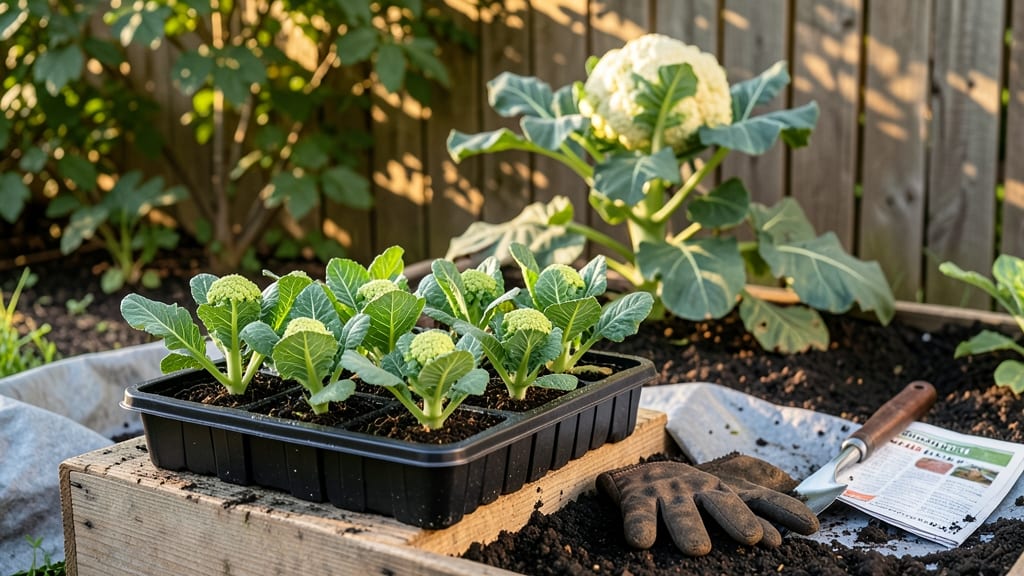
To plant cauliflower in Pennsylvania, aim for mid-March to early April for spring or late July to early August for fall harvests—timing is everything for 🥬 success in zones 5b-7a.
Pennsylvania’s unpredictable frost dates can make or break your cauliflower harvest—plant too early, and you’ll lose seedlings to cold; too late, and your crop matures just as summer heat sets in.
You’re not alone if you’ve ever stared at a seed packet and wondered, When exactly should I start? The answer depends on your region’s last frost date, soil temperature, and even elevation—all factors that vary wildly across the state.
Below, I’ll break down the exact planting windows for your area, whether to start seeds indoors or sow directly, and how to adjust for microclimates so you get a bountiful harvest instead of bolted plants.
Pennsylvania cauliflower planting zones by last frost date
Pennsylvania’s diverse climate means your cauliflower planting timeline should vary by region—whether you're in Philadelphia’s urban heat islands or Erie’s lake-effect microclimates. The last spring frost date shifts dramatically across the state, from mid-April in Pittsburgh to late May in high-altitude areas like the Poconos.
Understanding these zones ensures your cauliflower heads form before summer heat stresses them.
Cauliflower thrives in cool-season windows (50°F–75°F soil temps) and struggles with extreme summer heat above 80°F. That’s why I recommend two planting cycles: spring (4–6 weeks before last frost) and fall (8–10 weeks before first frost).
Let’s break down the ideal planting windows for Pennsylvania’s top 5 regions, using USDA zones 5b–7a as a guide.
Use this comparison-table to find your exact planting dates based on your last frost date and seed maturity.
For example, a 60-day variety in Philadelphia (Zone 7a) needs to hit the soil by March 15, while the same variety in Erie (Zone 6a) should go in by April 1. Always adjust for high-altitude delays (add 1–2 weeks per 1,000 ft elevation).
For high-altitude areas like the Poconos or Allegheny Mountains, extend your planting window by 1–2 weeks—cooler temps delay frost. I’ve seen gardeners in USDA Zone 5b successfully grow cauliflower by starting seeds indoors in late March and transplanting after Memorial Day.
Use a frost-date calculator (like the NOAA Frost Clock) to fine-tune your timeline.
Pro tip: If you’re in Zone 7a (Philadelphia), consider a fall planting by July 20 to avoid summer heat. Use shade cloth if temps exceed 85°F, and prioritize heat-tolerant varieties like Purple of Sicily. Always test your soil—cauliflower needs pH 6.0–7.0 and rich organic matter to thrive.
Microclimates matter! A south-facing garden bed warms up faster than a north-facing one, so adjust your planting by 3–5 days accordingly. For example, my Pittsburgh garden gets 2 extra weeks of growing season on the south side compared to the north.
Use row covers to extend the season by 2–3 weeks in spring or fall.
Remember: Cauliflower bolts (goes to seed) when stressed by heat
How to calculate your exact cauliflower planting timeline
Timing your cauliflower planting in Pennsylvania starts with your local frost dates and soil temperature thresholds. Cauliflower thrives in 50°F+ soil and bolts when temperatures exceed 80°F, so precision matters.
I’ll show you how to use NOAA frost data and seed packet info to pinpoint your exact planting window—no guesswork required.
First, check your last average frost date for your Pennsylvania region. In most of the state, this falls between April 15-30, but mountain areas like Poconos can be 2-3 weeks later.
For example, Philadelphia averages April 15, while Pittsburgh leans toward April 20. This date is your anchor for spring planting.
Use the NOAA frost calculator (link in resources) or your local Cooperative Extension office for precise data. For example, Erie averages May 1, while Wilkes-Barre is closer to April 25.
Check your seed packet for days to maturity (e.g., 70 days for Snowball variety). Count backward from your first frost date (usually October 15) to determine your fall planting window.
Use a soil thermometer to confirm 50°F+ soil. In Pennsylvania, this typically aligns with mid-April for spring and late August for fall. If soil is cooler, wait 1-2 weeks or use row covers.
For spring plantings, start seeds 6-8 weeks before last frost (e.g., February 15-March 1 for Philadelphia). Use grow lights if natural light is limited, and harden off seedlings for 1 week before transplanting.
Urban areas like Philadelphia may experience heat islands, pushing planting 2 weeks earlier. Conversely, mountain regions (e.g., Poconos) should delay by 1-2 weeks due to cooler soils.
Once you’ve nailed down your frost dates, factor in cauliflower’s temperature sensitivity. Seedlings can handle 40°F+ but will rot in cold, wet soil. For fall plantings, aim to harvest before first frost—typically by October 15 in most of PA.
If your variety matures in 70 days, plant by August 15 to avoid bolting.
Pro tip: Use row covers to extend your growing season by 2-3 weeks in spring or fall. They protect seedlings from light frosts (28°F) and can push your harvest window later into fall. Just remove covers when temperatures rise above 75°F to prevent overheating.
For high-altitude areas like Poconos or Allegheny Mountains, add 10-14 days to your planting timeline. These regions often have later last frosts and cooler soils, so adjust accordingly. Always monitor your garden’s microclimate—your neighbor’s frost date might not match yours!
Now that you’ve calculated your exact planting windows, your next step is choosing the right cauliflower varieties for Pennsylvania’s short season. Look for cold-hardy, quick-maturing varieties like Snowball Y Improved (70 days) or Purple of Sicily (65 days) to maximize your harvest potential.