
Flowers
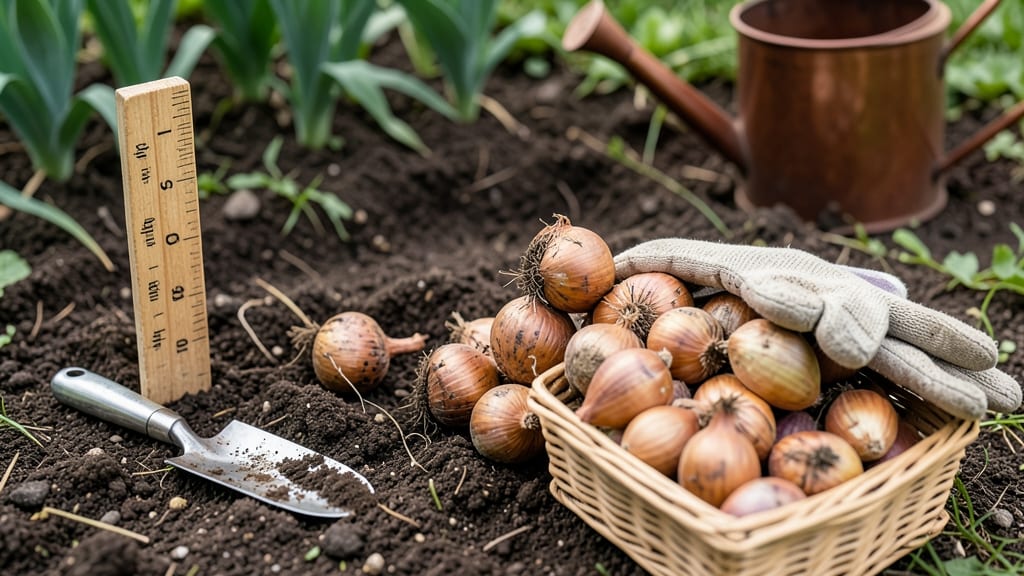
Planting flower bulbs 🌷 in the spring after your last frost date is the key to vibrant blooms that last all season.
Timing your flower bulb planting perfectly in spring can mean the difference between vibrant blooms and a disappointing flop—yet most gardeners miss the ideal window by weeks. Learn how frost dates and regional climates dictate the best planting schedule for tulips, daffodils, and other spring favorites.
In USDA Zone 6a, where spring arrives with a mix of chilly mornings and warming afternoons, the critical window is between March and April.
Plant too early, and your bulbs may rot in cold, wet soil; wait too long, and you risk stunted growth before the first blooms appear.
Below, I break down the exact frost-date triggers you need, plus soil prep tips and bulb-specific timing to ensure your garden bursts into color at the perfect moment.
How to determine your perfect flower bulb planting window using frost dates
Planting flower bulbs at the wrong time can leave you with weak shoots or worse—no blooms at all. The key to success lies in understanding your last frost date, which signals when soil temperatures rise enough for bulbs to sprout safely.
Most gardeners assume "spring" means March, but frost dates vary wildly by region—from February in Zone 8 to May in Zone 3. Without this knowledge, you risk planting too early, causing bulbs to rot in cold soil or too late, missing the optimal growth window.
To avoid these mistakes, I’ll walk you through how to find your local frost dates, adjust for bulb types (like tender daffodils vs. hardy tulips), and account for microclimates—like a sunny south-facing slope that warms faster than your yard’s average.
By the end, you’ll know exactly when to plant for vibrant, healthy blooms every season. Let’s start with the science behind frost dates and why they matter so much.
The last frost date isn’t just a random number—it’s the average date when temperatures drop below 32°F (0°C) for the final time in spring. For flower bulbs, this date is your planting trigger because most varieties need consistent soil temps above 50°F (10°C) to sprout.
Cold soil can stunt growth or even kill bulbs before they emerge. For example, tulips planted too early in cold climates may rot, while daffodils planted too late might not bloom until summer. The solution? Time your planting to align with your region’s frost-free window.
Finding your last frost date is easier than you think. Start by checking the USDA Plant Hardiness Zone Map for your area, then use resources like the National Oceanic and Atmospheric Administration (NOAA) or local agricultural extensions for precise frost data.
For instance, if you’re in Zone 5, your last frost might be around May 15, while in Zone 9, it could be as early as February 1.
Pro tip: Add a 2-week buffer after your last frost date to account for unpredictable late frosts, especially if you’re planting tender bulbs like hyacinths.
Not all flower bulbs are created equal, and their planting windows vary. Cold-hardy bulbs like tulips and crocuses can handle cooler soil temps and may even benefit from a pre-chill period in fall.
On the other hand, tender bulbs like dahlias or gladiolas need warmer soil and should only be planted after the last frost when nighttime temps stay above 55°F (13°C).
Even within the same category, early bloomers (like snowdrops) and late bloomers (like alliums) have different ideal planting times. Below, you’ll find a comparison table to help you match bulbs to your frost date.
Microclimates can throw off even the most precise frost-date calculations. For example, a south-facing slope might warm up 2-3 weeks earlier than your yard’s average, while a low-lying area could stay cold longer.
To adjust, observe your garden’s behavior: Notice when cherry blossoms bloom or when crocuses appear in nearby fields. These natural
Best flower bulbs to plant by month: a regional spring planting schedule
Spring is the perfect time to plant flower bulbs 🌷, but the timing varies dramatically across USDA Zones 3–10. In colder zones like Zone 3, you can start as early as late February, while warmer Zone 10 gardens wait until April or May.
The key is understanding your last frost date and soil temperature—bulbs need 40–60°F (4–15°C) soil to root without rotting.
Cold-hardy bulbs like daffodils and alliums can handle spring planting even in chilly climates, but tender varieties (e.g., hyacinths) need warmer soil. Below, I’ve mapped out the best months for each bulb type by zone, plus late-winter prep tips to avoid overwintering risks.
⚠️ NON-NEGOTIABLE: Never plant bulbs in frozen or waterlogged soil—this causes rot. Use the finger test: if soil crumbles easily at 2 inches deep, it’s ready.
| Bulb Type | USDA Zones 3–6 | USDA Zones 7–9 | USDA Zone 10 | Soil Temp |
|---|---|---|---|---|
| Tulips | Late Feb–March | March–Early April | April–May | 40–50°F (4–10°C) |
| Daffodils | Late Feb–April | March–May | April–June | 35–55°F (2–13°C) |
| Hyacinths | March–April | April–May | May–June | 50–60°F (10–15°C) |
| Alliums | Late Feb–March | March–April | April–May | 40–55°F (4–13°C) |
🌱 Pro Tip: Mulch after planting to insulate bulbs from late frosts.
For USDA Zones 3–6, prioritize late February to March planting. In these regions, daffodils and alliums thrive when planted early, while tulips benefit from a pre-chilling period in the fridge (6–8 weeks at 35–40°F (2–4°C)) if planted in warmer-than-average springs.
In Zones 7–9, wait until soil warms to 50°F (10°C)—typically March–May. Hyacinths are the most sensitive; plant them in well-draining soil and avoid overhead watering to prevent fungal rot.
In Zone 10, where winters are mild, focus on April–June planting and choose heat-tolerant varieties like Rainbow Hyacinths.
Always plant bulbs 6–8 inches deep, with the pointy end up. Space them 3–4 times their width apart—closer spacing creates lush drifts, while wider gaps suit larger bulbs like alliums. After planting, water deeply to settle soil and encourage root growth.
🌿 Key Reminder: Never fertilize newly planted bulbs—wait until spring foliage emerges before applying a low-nitrogen fertilizer (e.g., 5-10-10). This prevents bulb burn and ensures energy goes to root development.