
Flowers
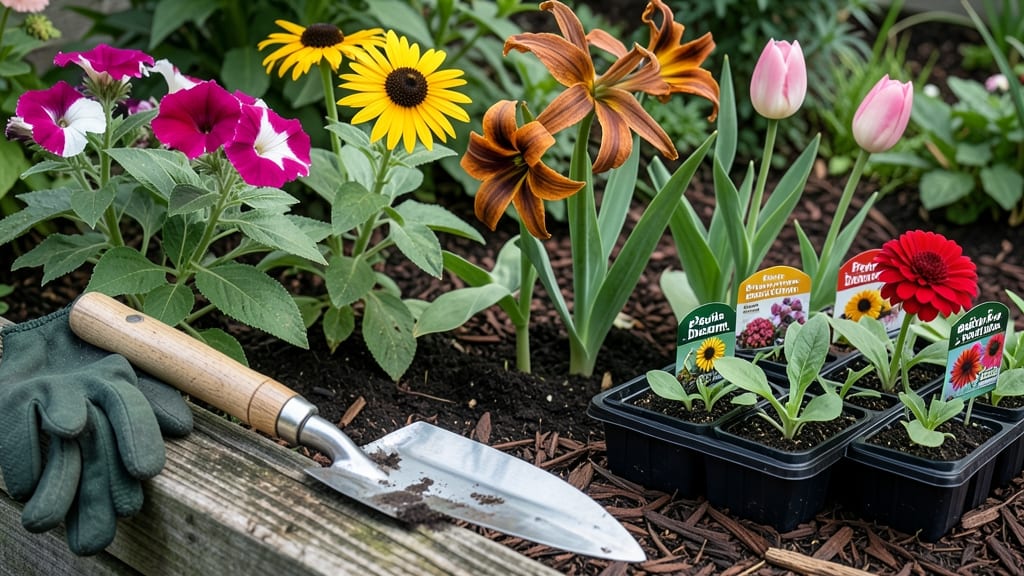
To plant flowers in Rhode Island after the last frost date—typically around mid-April—sets you up for a season of vibrant blooms 🌸.
Timing your flower planting in Rhode Island’s USDA Zone 6a climate can mean the difference between vibrant blooms and frost-killed dreams—get the schedule wrong, and your hard work could vanish overnight.
Whether you’re sowing annuals for summer color or perennials to return year after year, the two-week window after April 15 is critical. But don’t stop there: late summer and early fall offer a second chance for hardy varieties.
In this guide, you’ll discover the exact planting deadlines for your favorite flowers, how to adjust for coastal vs. inland microclimates, and the easiest ways to extend your blooming season—so you can enjoy flowers from spring through frost.
Optimal planting dates for annual flowers in Rhode Island’s Zone 6b
Rhode Island’s Zone 6b climate offers a 165-day frost-free window, but timing is everything—especially when coastal areas like Newport can be 5°F warmer than inland spots like Providence.
The average last frost date hovers around April 15, while the first frost typically arrives October 15, but these dates shift yearly. For annual flowers, planting too early risks frost damage, while waiting too long cuts your bloom season short.
Your best strategy? Start with cool-season flowers like pansies and snapdragons in early spring (March-April), then transition to heat-lovers such as zinnias and marigolds after Memorial Day. Inland gardens can plant 1-2 weeks earlier than coastal areas, where warmer microclimates delay frost but also bring earlier heat stress.
Let’s break down the exact windows for your spring and fall planting success.
🌱 PRO TIP: Use soil thermometers (not air temps) to confirm when soil reaches 60°F—the magic number for warm-season seeds. Coastal soils warm 2-3 weeks later than inland spots.
| Season | Planting Window | Best Varieties | Soil Temp | Coastal Adjustment |
|---|---|---|---|---|
| Early Spring | March 15–April 15 | Pansies, Snapdragons, Sweet Alyssum | 45–55°F | Wait 7–10 days |
| Late Spring | April 20–May 15 | Calendula, Stock, Larkspur | 50–60°F | Wait 3–5 days |
| Summer | May 20–June 15 | Zinnias, Marigolds, Sunflowers | 60–70°F | Plant 5–7 days earlier |
| Fall | August 1–September 1 | Cosmos, Bachelor’s Buttons, Asters | 55–65°F | Wait 10–14 days |
For spring planting, prioritize cool-season annuals that tolerate light frosts (down to 25°F). Start with pansies and violas in March—they’ll bloom until summer’s heat arrives. By late April, switch to calendula and stock, which thrive in 50–60°F soil.
Inland gardens can push these dates 1 week earlier, while coastal areas should wait until mid-April to avoid salt spray damage.
Summer’s heat-loving annuals demand patience. Wait until soil temps hit 60°F (usually late May) before sowing zinnias, marigolds, or sunflowers.
These varieties handle 90°F+ temps but wilt if planted too soon. Coastal gardens can start 5–7 days earlier thanks to milder nights, but inland areas should wait until Memorial Day weekend to avoid heat stress.
🌿 EXPERT ADVICE: If you’re itching to plant early, try container gardening—pots warm up faster and let you move tender plants indoors during unexpected cold snaps. Just ensure containers have drainage holes to prevent root rot.
Fall planting offers a second bloom season if timed right. Aim for 8–10 weeks before first frost (typically August 1–September 1), focusing on cosmos, bachelor’s buttons, and asters.
These varieties handle cool nights but need 60°F+ soil to germinate. Coastal areas can extend this window by 2 weeks due to delayed frost, while inland gardens should prioritize September 1 as the cutoff.
Don’t overlook microclimates—your south-facing border may be 10°F warmer than the north side of your yard. Use this to your advantage: plant heat-sensitive flowers like cosmos in cooler microclimates and sunflowers in the hottest
How to extend your flower season: cold-hardy varieties and frost protection tips
Rhode Island’s Zone 6b climate offers a short but sweet growing season, but with the right cold-hardy varieties and frost protection, you can enjoy blooms from spring through fall.
The key is selecting perennials that thrive in cooler temps and using tools like row covers to shield tender plants during late spring or early fall transitions.
For example, coneflowers (Echinacea) and black-eyed Susans (Rudbeckia) are Zone 6b superstars that bounce back after light frosts. Pair them with frost blankets or cold frames to extend their blooming window by 3-4 weeks on either end of the season.
PROS-CONS BOX
Cold-Hardy Varieties
Frost Protection Methods
- ✅ Perennials return yearly
- ✅ Lower maintenance than annuals
- ✅ Adapt to Zone 6b temps
- ❌ Slower establishment than annuals
- ❌ Limited color variety in early spring
- ✅ Extends season by 3-4 weeks
- ✅ Protects tender blooms from frost
- ✅ Reusable year-round
- ❌ Requires setup (time/cost)
- ❌ May reduce airflow if overused
Start by planting late-summer bloomers like asters (Symphyotrichum) and goldenrod (Solidago) in early August. These frost-resistant perennials thrive in Rhode Island’s cooler fall temps and often bloom until the first hard frost in mid-October.
For extra protection, use row covers or frost cloth over tender annuals like marigolds or zinnias when nighttime temps dip below 40°F. These lightweight covers trap heat without smothering plants, letting you push blooms into late October in sheltered microclimates.
Another trick? Mulch heavily around perennials in late summer with straw or shredded leaves to insulate roots. This 3-inch layer can raise soil temps by 5-10°F, giving frost-sensitive varieties like dahlias a fighting chance to survive light frosts.
Don’t forget cold frames for high-value plants! A simple Plexiglas box over a raised bed can create a 10°F warmer microclimate, letting you grow pansies or snapdragons well into November. Just monitor humidity to prevent fungal issues.
With these strategies, your flower season can stretch from May through November—proving that Rhode Island’s short growing season doesn’t have to limit your blooms! 🌷