
Plants
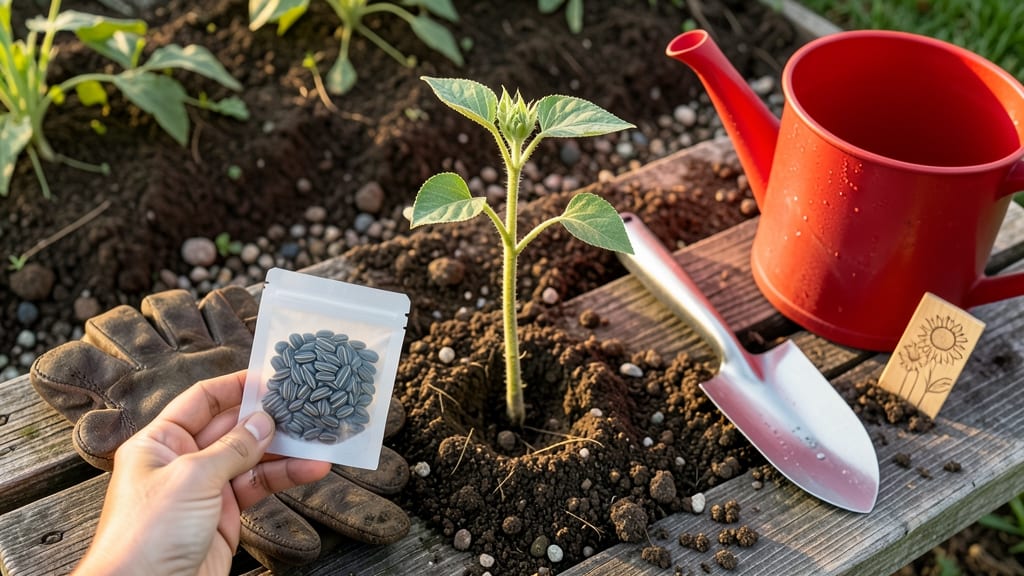
To plant sunflower seeds in Zone 8, aim for late March through May or August to early September—timing that aligns with soil warmth and frost-free windows.
Sunflowers 🌻 thrive in Zone 8’s warm climate—but planting them at the wrong time can mean stunted growth or missed blooms. Whether you’re growing them for seeds, cut flowers, or just the joy of watching them tower over your garden, getting the timing right is the key to success.
Most varieties take 60 to 90 days to reach maturity, so spring plantings should happen after the last frost (usually around mid-March), while late summer plantings give you a second chance for fall blooms before the first frost hits in November.
Below, I’ll break down the best planting windows by variety, how to adjust for heat waves, and simple care tips to ensure your sunflowers grow tall, strong, and full of potential.
Optimal sunflower planting windows in Zone 8 by variety type
Sunflowers in Zone 8 offer flexibility with two planting windows—spring and late summer—but timing varies dramatically by variety. Tall seed-producing types need early starts, while dwarf cut-flower varieties can handle summer heat better. Understanding these differences ensures you avoid leggy stems or premature bolting.
Zone 8’s last frost date typically falls around March 15, but microclimates can shift this by weeks. Coastal areas may see frost-free conditions by February 28, while inland regions often wait until April 15. Always check your local USDA Zone 8a/8b averages to adjust timing.
Here’s how to match your sunflower variety to the perfect planting window for maximum success in Zone 8:
For tall varieties like Mammoth or Russian Giant, aim to plant by April 1 to give them enough time to mature before Zone 8’s first frost (around November 15). These giants need 90-120 days to reach their full height and produce seeds.
Mid-height varieties such as Autumn Beauty or ProCut offer flexibility. They thrive when planted in late spring (May) or late summer (August). This dual window works because they mature faster (60-90 days) and handle summer heat better than tall types.
Dwarf varieties like Teddy Bear or Moulin Rouge are the most adaptable. Plant them as late as June 1 or even in August for fall blooms. Their 50-70 day maturity means they’ll flower before cooler temps arrive, making them ideal for container gardens or urban spaces.
Soil temperature is critical for germination. Wait until the soil reaches at least 55°F (13°C)—use a soil thermometer to check. In Zone 8, this usually aligns with mid-April for spring plantings. For late summer, aim for August 1 when daytime highs stay above 75°F (24°C).
Pro tip: If you’re growing sunflowers for cut flowers, prioritize mid-height varieties planted in late spring. They’ll produce vibrant blooms just as summer weddings and events ramp up. For seed production, stick to tall varieties and plant them early.
Remember, sunflowers are direct-sown—never transplant seedlings. Plant seeds 1 inch deep and 6 inches apart in well-draining soil with full sun exposure. Thin seedlings to 18-24 inches apart once they’re 4-6 inches tall to prevent competition.
With these variety-specific windows, you’ll enjoy sunflowers from June through October, whether you’re harvesting seeds, cutting blooms, or simply admiring their towering beauty in your garden. 🌻
How to adjust planting for Zone 8’s microclimates and heat waves
Zone 8’s microclimates can drastically change your sunflower’s success. Coastal areas stay cooler and moister longer, while inland spots heat up faster—sometimes by 10°F or more in summer.
For coastal gardens, aim for late March to early April plantings, while inland gardeners should wait until mid-April to early May to avoid heat stress.
Sunflowers are heat-tolerant, but extreme heat waves can cause bolting (rapid flowering) or even stunted growth. If temperatures hit 95°F+ consistently, your plants may struggle to establish roots before flowering.
This is especially critical for tall varieties like 'Mammoth' or 'Russian Giant,' which need strong stems to support their 10+ foot height.
🚨
⚠️ Heat Wave Warning: Avoid These Planting Mistakes
- Planting too early in inland areas risks frost damage if late frosts linger.
- Ignoring soil temperature—wait until soil reaches 60°F+ for germination.
- Overwatering during heat can drown roots; opt for deep, infrequent watering.
- Skipping shade cloth for young seedlings exposed to 100°F+ temps.
To check if your soil is ready, use a soil thermometer—sunflowers need 60°F+ soil temps to germinate. If it’s cooler, wait 1-2 weeks or use a black plastic mulch to warm the soil faster.
For inland areas, consider late summer plantings (August-September) to extend your growing season and avoid the peak heat.
For coastal gardens, where humidity is higher, space seeds 12 inches apart to improve airflow and prevent fungal diseases like powdery mildew. Inland gardens can plant seeds 6 inches apart since lower humidity reduces disease risk.
Always use well-draining soil—sunflowers hate soggy roots, which can lead to root rot.
If you’re growing sunflowers for seeds, prioritize late summer plantings (August) to ensure they mature before the first frost. For cut flowers, spring plantings work best—aim for blooms in June-July when temperatures are moderate.
Mulch with straw or wood chips to retain moisture and regulate soil temperature during heat waves.
Extend your growing season by choosing heat-tolerant varieties like 'Autumn Beauty' or 'ProCut Hybrid.' These varieties handle 90°F+ temps better than traditional types. If a heat wave hits, provide afternoon shade for seedlings using shade cloth (30-50% shade) until they’re established.
Always water at the base of the plant in the morning to reduce evaporation and fungal risks.