
Propagation
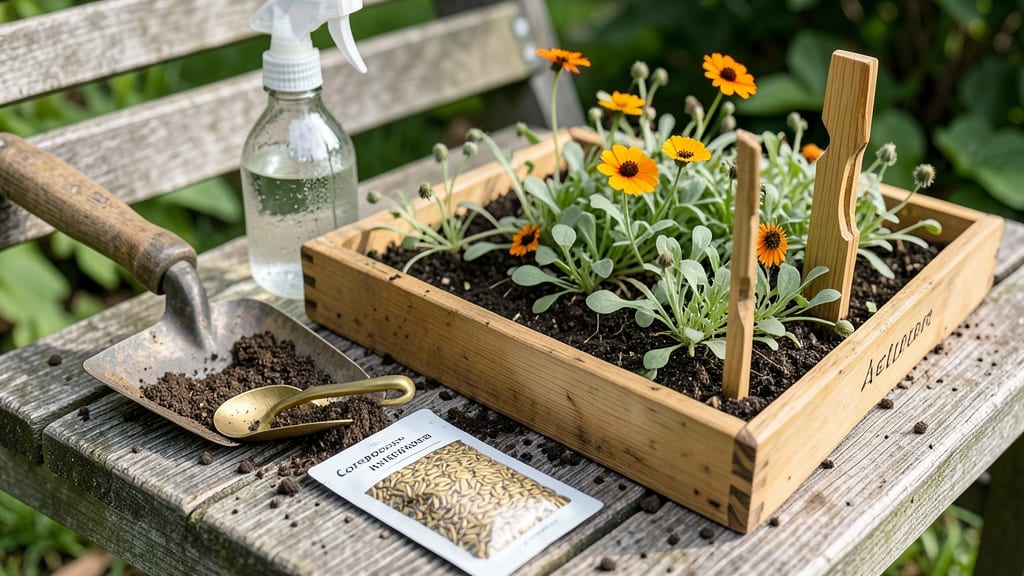
The wildflower germination time can vary wildly—from just a few days to over a month—depending on soil warmth and species.
If you’ve ever stared at a tray of seeds wondering why nothing’s happening, you’re not alone. The key isn’t just patience—it’s understanding how temperature triggers growth.
A few simple adjustments, like pre-warming soil or choosing fast-sprouting varieties, can cut weeks off your wait time and get those blooms popping up faster than you’d expect.
Most wildflowers thrive when soil hits 60–75°F, but some, like poppies, need cooler conditions. Below, I’ll break down the science behind germination speed, share my top tricks for faster sprouts, and compare the fastest and slowest bloomers so you can pick the perfect mix for your garden.
Ready to transform your garden into a riot of color? Let’s dive into the secrets of soil temperature and how a little heat can make all the difference.
How soil temperature affects wildflower germination time (science-backed guide)
Wildflower germination time isn't just about waiting—it's about creating the perfect soil temperature conditions. Most wildflower seeds need consistent warmth to break dormancy, but the ideal temperature range varies by species.
For example, cosmos and zinnia sprout fastest at 70–75°F, while black-eyed Susans prefer cooler 60–65°F soil. Understanding these thresholds can cut germination time by 30–50%.
Soil temperature directly impacts enzyme activity inside seeds. When soil stays too cold (below 50°F), metabolic processes slow down, delaying sprouts for weeks or months. Conversely, overheated soil (above 85°F) can cook seeds before they germinate. Finding that sweet spot is key to success.
| Wildflower Type | Optimal Soil Temp (°F) | Germination Time | Cold-Hardy? |
|---|---|---|---|
| Annuals (Cosmos, Zinnia) | 70–75°F | 7–14 days | No |
| Perennials (Coneflower, Black-Eyed Susan) | 60–65°F | 14–30 days | Yes |
| Poppies (All Types) | 65–70°F | 14–21 days | Moderate |
| Milkweed (Monarch Host) | 75–80°F | 30–60 days | No |
| Native Grasses (Prairie Mix) | 55–65°F | 21–45 days | Yes |
To measure soil temperature accurately, use a soil thermometer (available for $10–$15) or a meat thermometer repurposed for gardening. Insert it 2–3 inches deep—this is where most wildflower seeds germinate.
Check temperatures morning and evening; afternoon heat can skew results. If your soil runs too cool, consider using black plastic mulch or a cold frame to absorb heat.
Cold-hardy wildflowers like bluebonnets and lupines thrive in 50–60°F soil, making them ideal for early spring or fall planting. These species often require stratification (a cold period) to break dormancy, so don't rush them into warm soil.
For heat-loving varieties like sunflowers or coreopsis, wait until soil reaches at least 65°F before sowing.
Moisture also plays a role—dry soil conducts heat differently than moist soil. Keep seedbeds evenly damp (not soggy) to maintain stable temperatures. A light misting twice daily can help regulate heat fluctuations. Avoid overhead watering, which can cool soil too quickly and shock seeds.
If you're planting in early spring when soil is still chilly, opt for fast-germinating annuals like cosmos or marigolds. These tolerate cooler temps better than perennials. For summer plantings, choose heat-tolerant species like lantana or portulaca, which handle 80°F+ soil without stress.
Pro tip: Use a seedling heat mat ($20–$30) for indoor starts to maintain 70–75°F soil temps. This is especially useful for slow germinators like milkweed or foxglove. Place the mat under seed trays or germination domes to create a controlled environment.
Remember, consistency is critical. Fluctuating temperatures can halt germination mid-process. If your local forecast predicts unseasonable cold snaps, delay planting or use
5 Proven tricks to speed up wildflower seed germination time
Wildflower seeds can take weeks—or even months—to sprout, but with a few simple tricks, you can cut that waiting time in half. The key lies in mimicking natural conditions that trigger growth, like warmth, moisture, and light exposure.
Whether you're a seasoned gardener or just starting, these methods will help you see those first green shoots faster than ever.
One of the biggest factors in wildflower germination time is soil temperature. Most seeds need warmth to break dormancy, but some varieties, like black-eyed Susans, thrive in cooler conditions.
By adjusting your approach based on the species, you can tailor your strategy for the fastest results. Let’s explore five easy, budget-friendly tricks that work like magic.
- 🔥 Pre-soak seeds in warm water for 12–24 hours to soften hard seed coats and kickstart hydration.
- ☀️ Use a heat mat set to 70–75°F to simulate spring soil warmth and speed up sprouting.
- 🌡️ Stratify seeds by mixing them with damp sand and refrigerating for 1–2 weeks to break dormancy.
- 🌼 Choose fast-sprouting varieties like cosmos or bachelor’s buttons, which germinate in 7–14 days.
- 💧 Keep soil consistently moist (not soggy) with a spray bottle to maintain ideal humidity levels.
If you’re short on time, pre-soaking seeds is my go-to trick. Simply place seeds in a bowl of warm water for 12–24 hours before planting. This softens the seed coat, allowing water to penetrate more easily and jumpstarting the germination process.
For example, cosmos seeds often sprout within 7–10 days when pre-soaked, compared to 2–3 weeks without this step.
For gardeners in cooler climates, a heat mat can work wonders. These affordable tools mimic the warmth of spring soil, helping seeds germinate in as little as 5–7 days.
If you don’t have a heat mat, place your seed trays on top of your refrigerator or near a sunny window—just avoid direct sunlight, which can overheat the soil.
Some wildflower seeds, like lupines or milkweed, require a period of cold treatment called stratification to break dormancy. To DIY this, mix your seeds with damp sand in a sealed container and refrigerate for 1–2 weeks.
Once cold-treated, plant them in warm soil for faster germination. This mimics the natural winter-to-spring cycle and tricks seeds into thinking it’s time to grow.
Not all wildflowers germinate at the same speed. If you’re eager to see results, opt for fast-sprouting varieties like bachelor’s buttons or zinnia. These beauties typically pop up in 7–14 days, making them perfect for quick color in your garden.
Pair them with slower varieties like poppies (which take 2–3 weeks) for a layered blooming effect.
Finally, never underestimate the power of consistent moisture. Wildflower seeds need steady hydration to germinate, but soggy soil can drown them. Use a spray bottle to mist the soil lightly every 1–2 days, keeping it damp but not waterlogged.
A clear plastic dome or plastic wrap over your seed tray can also help retain moisture while allowing light to reach the soil.