
Pruning
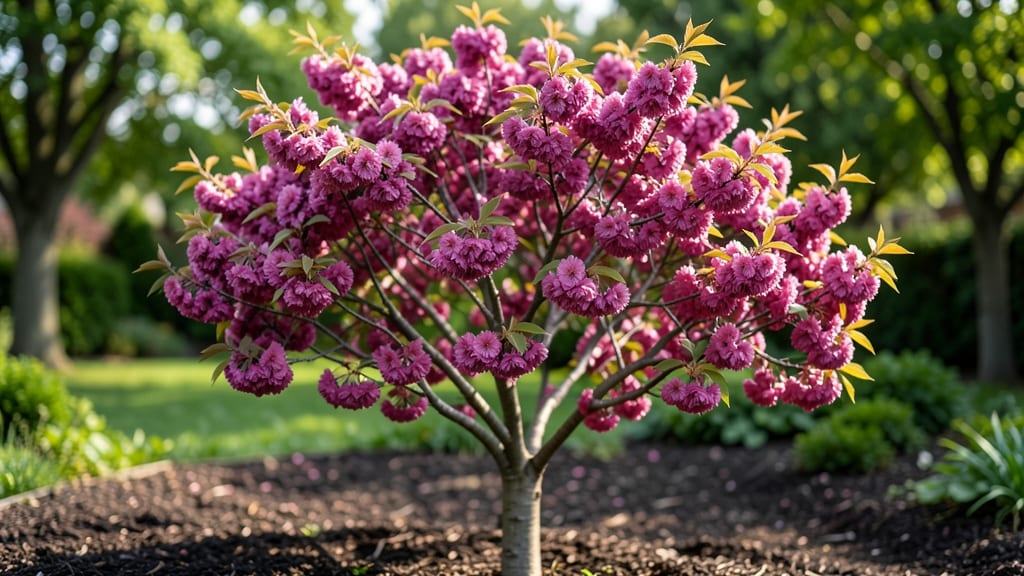
A flowering cherry tree’s lifespan can stretch for 50 to 100 years with the right care, turning your yard into a lasting springtime showstopper 🌸.
But here’s the catch: many gardeners overlook the subtle signs that signal a tree’s decline—until it’s too late. Whether you’ve just planted one or are watching an old favorite fade, understanding what truly extends its life (and what doesn’t) makes all the difference.
From pruning mistakes that shorten its bloom years to climate factors that silently stress the roots, we’ll break down the key factors that determine how long your tree stays vibrant. You’ll also learn when to intervene with pruning or support—and when it’s time to say goodbye.
Ready to give your flowering cherry tree the longest, healthiest life possible? Let’s dive into the secrets of longevity, from soil prep to seasonal care.
Flowering cherry tree lifespan: average years and key longevity factors
Flowering cherry trees are prized for their stunning spring blooms, but their lifespan depends on more than just aesthetics. With proper care, these trees can thrive for 30 to 50 years, though some varieties like the Yoshino cherry may live even longer—up to 70 years—under ideal conditions.
Their longevity hinges on a mix of genetics, climate, and maintenance, making them a rewarding long-term addition to any landscape.
The Kwanzan cherry (Prunus serrulata 'Kwanzan') often tops the list for durability, boasting vibrant pink blooms and a lifespan of 40 to 60 years when planted in suitable climates.
Meanwhile, the Autumn Brilliance cherry (Prunus serrulata 'Autumn Brilliance') stands out for its fiery fall foliage and can live 30 to 50 years with consistent care. Each variety has unique traits that influence how long it will grace your yard.
| Variety | Avg. Lifespan | Key Traits | Climate Needs |
|---|---|---|---|
| Yoshino Cherry | 50–70 years | White flowers, weeping branches | Zones 5–8, full sun |
| Kwanzan Cherry | 40–60 years | Deep pink blooms, late spring flowers | Zones 5–8, well-drained soil |
| Autumn Brilliance | 30–50 years | Red-purple fall foliage | Zones 4–8, tolerates partial shade |
| Somei-Yoshino | 40–60 years | Double white flowers, compact growth | Zones 5–9, urban-friendly |
One of the biggest factors in a flowering cherry tree’s lifespan is its climate compatibility. These trees thrive in USDA Zones 5–8, where they experience cold winters and warm summers.
In warmer climates (Zones 9–10), they may struggle with heat stress or fungal diseases, cutting their lifespan by 10–20 years. For example, a Kwanzan cherry in Zone 7 could live 50+ years, while the same tree in Zone 9 might only reach 30 years without extra care.
Soil quality plays a critical role in longevity. Flowering cherries prefer well-draining, slightly acidic soil (pH 5.5–6.5). Poor drainage or compacted soil can lead to root rot, which shortens their lifespan by 15–25 years.
Amending clay soil with organic matter like compost or planting on a slight mound can improve drainage and extend their life. I’ve seen trees in heavy clay gardens struggle after just 15–20 years due to waterlogged roots.
Disease resistance is another key genetic factor. The Yoshino cherry is highly resistant to black knot and powdery mildew, two common threats that can drastically reduce a tree’s lifespan. In contrast, the Autumn Brilliance is more susceptible to canker diseases, which can weaken it over time.
Regular pruning to remove infected branches and applying copper fungicides in early spring can add 10–15 years to a susceptible tree’s life.
Proper pruning practices also impact longevity. Over-pruning can stress a tree, while neglecting deadwood removal invites pests and disease. I recommend pruning in late winter (February–March) to shape the tree and remove diseased or crossing branches.
This keeps the tree healthy and flowering vigorously for decades. Without pruning, a flowering cherry might live 20–30 years instead of its full potential.
Pests like borers and scale insects can also shorten a tree’s lifespan. These pests weaken the tree by feeding on sap, making it more vulnerable to disease. Regularly inspecting your tree—especially in late summer—and treating infestations early with neem oil or insecticidal soap can preserve its health.
I’ve seen borer damage reduce a tree’s lifespan by 10+ years if left untreated.
Finally, watering habits matter. Young trees need deep watering weekly to establish roots, while mature trees are drought-tolerant once established. Underwatering can stunt growth, while overwatering leads to root rot.
I’ve found that mulching around the base with wood chips helps retain moisture and regulate soil temperature, adding 5–10 years to a tree’s lifespan by reducing stress.
With the right care, your flowering cherry tree can become a cherished landmark in your garden, blooming beautifully for generations. Focus on climate suitability, soil health, disease prevention, and proper pruning, and you’ll maximize its lifespan—turning a 30-year tree into a 50- or 60-year staple of your landscape.
How to extend your flowering cherry tree’s lifespan with proper care
Pruning is the single most powerful tool to extend your flowering cherry tree’s lifespan by up to 30 years. But timing and technique matter—cut too late or too aggressively, and you risk stunting blooms or inviting disease.
The best time to prune is late winter or early spring, just before buds swell but before new growth starts. This ensures you remove dead wood while preserving next year’s flowers.
Use clean, sharp pruners to make cuts at a 45-degree angle, about ¼ inch above a bud. Avoid cutting into the collateral buds (the smaller buds below the main ones), as this can lead to weak, spindly growth.
For larger branches, use three-cut pruning to prevent bark tearing, which invites fungal infections like canker disease.
⚠️ CAUTION: COMMON PRUNING MISTAKES THAT SHORTEN LIFESPAN
⚠️ Over-pruning (removing > 25% of the canopy in one year) weakens the tree and reduces flowering. Stick to light annual pruning—removing only dead, diseased, or crossing branches.
⚠️ Ignoring fungal signs like oozing sap or dark cankers can turn a small issue into a tree-killing infection. If you see these, sterilize tools with rubbing alcohol and prune 6 inches below the affected area.
Disease prevention starts with proper watering. Flowering cherry trees need deep, infrequent watering—about 1 inch per week—but soggy soil invites root rot. Water at the base of the tree in the morning to reduce evaporation and fungal spores.
Mulch with 2-3 inches of organic mulch (like wood chips) to retain moisture and suppress weeds, but keep it 6 inches away from the trunk to prevent rot.
Seasonal maintenance is just as critical. In early spring, apply a balanced fertilizer (10-10-10) to support new growth, but avoid high-nitrogen fertilizers, which promote leafy growth over flowers.
In fall, focus on removing fallen leaves (which can harbor pests) and inspecting for pests like borers or scale insects. Treat infestations early with neem oil or horticultural oil to prevent spread.
Know when to call in a certified arborist. If your tree shows structural weakness (like large splits or leaning), has extensive canker disease, or is struggling to recover from pruning, professional help can mean the difference between years of life and premature loss.
Arborists can also assess root health and recommend support systems (like cabling) for mature trees.
With these proactive steps, your flowering cherry tree can thrive for decades, turning your yard into a springtime masterpiece year after year.
Start with pruning in late winter, monitor for disease signs, and adjust care as the tree ages—your future self (and your neighbors) will thank you! 🌸