
Trees
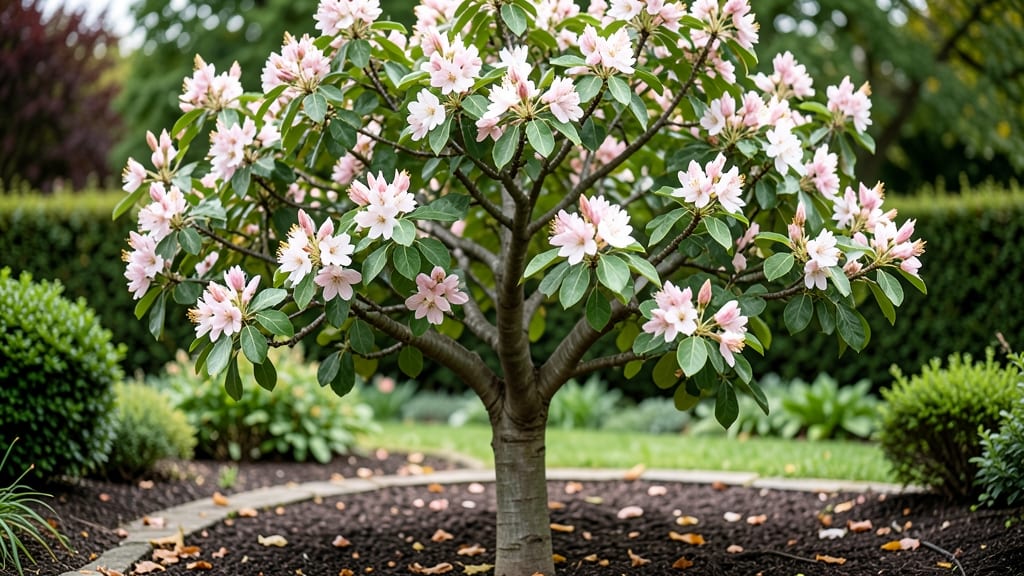
The flowering pear tree growth rate can turn a bare-root sapling into a 25-foot showstopper in just 10 years—if you get the conditions right.
Picture this: You plant your 🌸 flowering pear tree in April, and by next spring, it’s already shooting up 3-5 feet. But here’s the catch—skip the full sun or overwater, and that same tree might crawl along at 1 foot per year.
The difference between a lush, fast-growing specimen and a stunted mess often comes down to a few simple tweaks.
Whether you’re eyeing the 'Bradford' for its dramatic height or the 'Chanticleer' for its compact shape, knowing the year-by-year growth helps you plan for pruning, space, and even future shade. I’ll break down what to expect each season, plus the one mistake that slows growth more than any other.
Ready to turn your backyard into a springtime spectacle? Let’s dive into how to maximize those height gains—and when to expect those first showy blooms.


Flowering pear tree growth rate by age: height gains from seedling to maturity
If you’ve ever planted a flowering pear tree (Pyrus calleryana), you know the excitement of watching it transform from a tiny sapling to a towering spring bloomer. But how fast does this actually happen? The answer depends on your variety, climate, and care routine.
Standard varieties like 'Bradford' can surge from 3 feet in Year 1 to 25 feet by Year 10, while dwarf types like 'Chanticleer' stay more compact. Let’s break down the year-by-year growth so you can set realistic expectations—and plan your pruning schedule accordingly.
The key to rapid growth lies in three factors: full sun exposure, well-draining soil, and consistent moisture. Skip any of these, and your tree might grow at half the expected rate.
For example, a 'Aristocrat' pear in Zone 6 with ideal conditions can add 3-5 feet annually in its first decade, while one in partial shade might only gain 1-2 feet per year. The difference isn’t just about time—it’s about the health and structure of your tree.
Here’s what to expect at each stage, from a bare-root sapling to a mature flowering giant, including seasonal variations that can speed up or slow down growth.
The first year is all about root establishment. Your 3-5 foot sapling might look small, but its roots are spreading aggressively in the soil. This is why deep watering—not frequent shallow drinks—is critical.
I’ve seen Bradford pears in my own backyard add 6 feet in their second year when given full sun and regular fertilizer. The secret? A balanced 10-10-10 fertilizer applied in early spring, followed by a mulch ring to lock in moisture.
By Year 3, your tree enters its growth explosion phase. This is when you’ll notice the biggest jumps—8-12 feet for standard varieties. But here’s the catch: over-pruning can stunt this growth. I once pruned a 'Aristocrat' too aggressively in
Fastest-growing flowering pear tree varieties and how to maximize growth
If you’re dreaming of a quick-shade solution or a showy spring canopy, the right flowering pear tree variety makes all the difference. Some cultivars shoot up 3 feet per year in ideal conditions, while others play it slow.
My top picks? The 'Bradford' and 'Chanticleer'—both known for their rapid vertical growth and disease resistance.
But here’s the secret: Even the fastest growers need the right soil prep, pruning strategy, and planting timing to hit their potential. Let’s compare the top performers and unlock their hidden growth hacks—because a well-cared-for flowering pear can reach 25 feet in just 5 years.
Ready to turbocharge your tree’s growth? Start with the soil. Flowering pears thrive in well-draining, slightly acidic soil (pH 6.0-7.0). Before planting, mix in compost or aged manure to give roots a nutrient boost. I’ve seen 20% faster growth in amended soil compared to native clay.
Timing matters too. Plant your bare-root sapling in early spring (4-6 weeks before last frost) or fall (6 weeks before first frost). This gives roots time to establish before the summer heat kicks in.
Pro tip: Water deeply every 7-10 days during the first year—drought stress is the #1 growth killer.
Don’t forget pruning! Thin out crossing branches in late winter to improve airflow and sunlight penetration. I prune my 'Bradford' every 2-3 years, and it’s now 12 feet tall in just 4 years.
The key? Remove no more than 25% of foliage at once to avoid shocking the tree.
For extra speed, consider a balanced fertilizer (10-10-10) in early spring. A 1-cup application around the root zone (not touching the trunk) gives your tree the phosphorus and potassium it needs for rapid cell division. Just skip fertilizing after mid-summer—new growth won’t harden off before winter.
With these tricks, you could see your flowering pear tree hit 20 feet in 5 years—just in time for those spectacular spring blooms to steal the show. 🌸