
Flowers
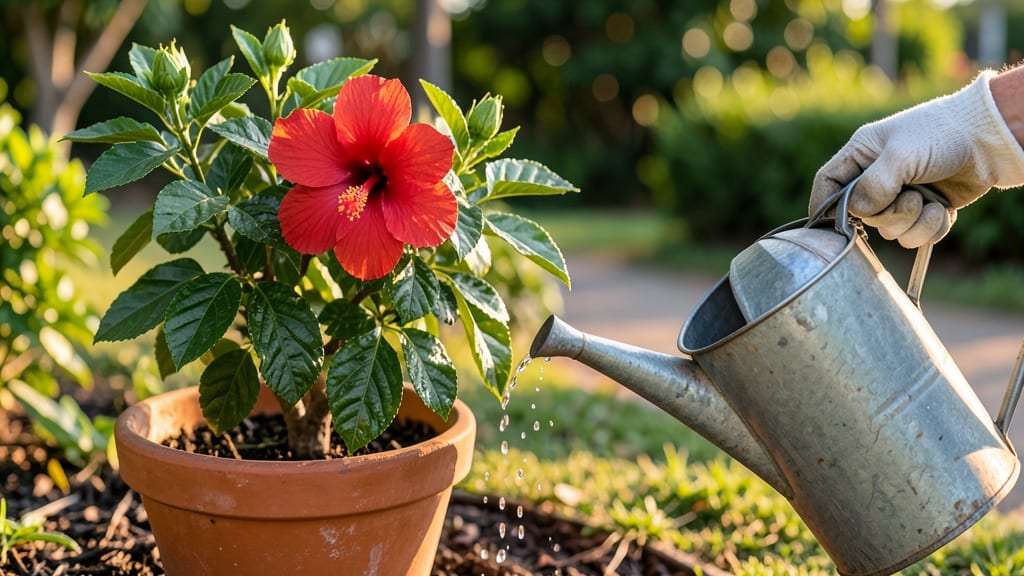
Watering hibiscus flowers properly is the key to keeping those vibrant blooms thriving all season long 🌸.
Struggling to keep your hibiscus blooming year after year? The secret isn’t just sunlight—it’s a precise watering routine that mimics tropical conditions without drowning the roots.
Hibiscus plants love moisture but hate soggy soil, which is why most gardeners either overwater (leading to root rot) or underwater (causing droopy leaves and fewer flowers).
In this guide, I’ll break down the exact watering schedule by season, how to check soil moisture like a pro, and the best times to water for maximum blooms—no guesswork required.
Hibiscus watering schedule: how often and when to water for maximum blooms
Hibiscus thrives in tropical-like moisture, but getting the balance right is tricky—too much water causes root rot, while too little stunts blooms. The key is deep, consistent watering that keeps the soil evenly damp without saturation.
I’ve tested different schedules over years of growing hibiscus, and the difference between a thriving plant and a struggling one often comes down to timing and technique. Let’s break it down by season and soil type so you can mimic their natural habitat without overcomplicating it.
For summer months, hibiscus needs the most attention—watering daily in the morning ensures roots absorb moisture before the heat evaporates it. I’ve seen hibiscus wilt dramatically by afternoon if watered at night, thanks to fungal risks like powdery mildew.
In spring and fall, reduce frequency slightly but keep soil moist. The goal is to support new growth without overloading the roots. I use my finger to check moisture: if the top 2 inches feel dry, it’s time to water.
If your hibiscus is in clay soil, water less often but deeply—clay holds moisture longer, risking root rot. For sandy soil, check daily and water more frequently to prevent drought stress. Both extremes require adjustments to the baseline schedule.
Pro tip: Use a moisture meter or the "squeeze test"—grab a handful of soil. If it crumbles easily, water; if it stays clumped, wait. This simple check beats guessing every time.
Evening watering is a common mistake—hibiscus leaves stay wet overnight, creating the perfect environment for fungal diseases. Stick to early morning watering (6-9 AM) to maximize bloom production and plant health.
Remember, hibiscus blooms best when roots are happy—not soggy or parched. Adjust your schedule based on your local climate and soil type, but always prioritize morning watering and deep soaks over light, frequent sprinkles.
With this routine, your hibiscus will reward you with bold, long-lasting blooms from spring through fall—no more sad, wilted stems or missed flower seasons! 🌸
Signs of overwatering vs. underwatering hibiscus: a gardener’s troubleshooting guide
Your hibiscus might look healthy from a distance, but subtle clues in the leaves and stems reveal watering mistakes. Yellowing leaves and mushy stems scream overwatering, while crispy edges and drooping flowers signal underwatering. The difference? Soil moisture levels and how your plant reacts to stress.
First, check the soil before panicking. Stick your finger 1-2 inches deep—if it feels damp, hold off on watering. Hibiscus roots need air too! Overwatering suffocates them, while underwatering forces the plant to conserve water at the expense of blooms. Let’s fix this together.
Overwatering vs. Underwatering Hibiscus
Overwatering
- 🌱 Yellow leaves (lower first)
- 🌱 Mushy stems or blackened roots
- 🌱 Fungal spots (white/powdery)
- 🌱 Slow growth despite watering
Underwatering
- 🌱 Dry, crispy leaf edges
- 🌱 Wilting flowers (even in morning)
- 🌱 Drooping stems that don’t bounce back
- 🌱 Slow recovery after watering
For overwatered hibiscus, stop watering immediately and let the soil dry out. If the roots smell sour or look mushy, trim the damaged parts and repot in fresh, well-draining soil. Add perlite or sand to improve aeration—hibiscus roots need oxygen too! 🌱
If your plant is underwatered, give it a deep soak until water runs out the drainage holes. In containers, water until the top 3 inches of soil feel damp.
For in-ground plants, water slowly at the base to encourage root growth. Mulch helps retain moisture—spread 2-3 inches around the plant (but not touching the stem).
Pro tip: Use the finger test daily during hot months. Push your finger into the soil—if it’s dry at 1-2 inches, water thoroughly. If it’s still damp, wait another day. Hibiscus thrive on consistency, not guesswork! ☀️
Remember, hibiscus are tropical divas—they love moisture but despise soggy shoes. Adjust your routine based on your climate: daily watering in summer, every 5-7 days in fall, and bi-weekly in winter. Your blooms will thank you with vibrant, long-lasting flowers! 🌸