
Planting
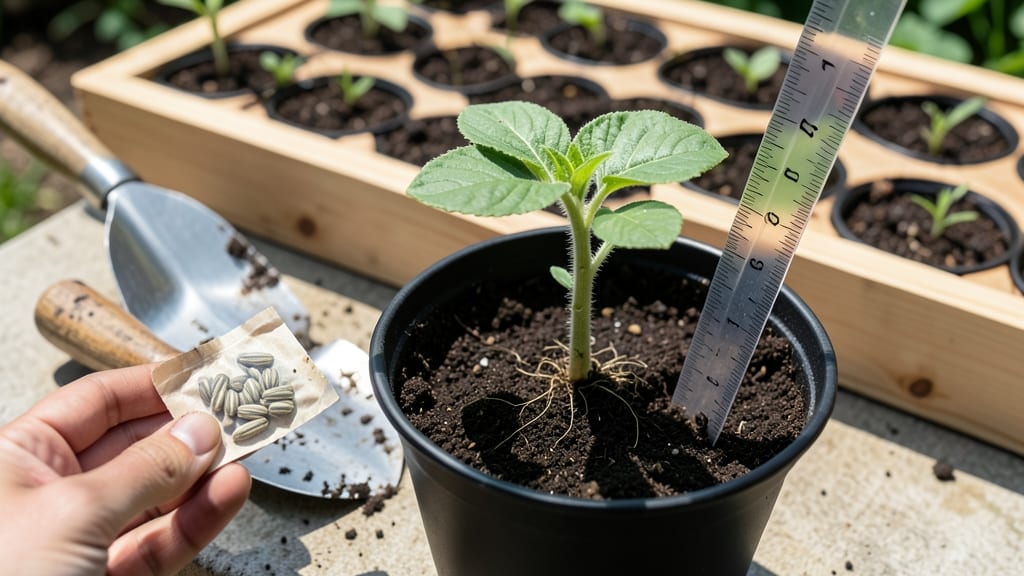
Mastering how deep to plant flower seeds is the secret weapon behind 90% of successful germination—and most gardeners get it wrong without even knowing it.
Picture this: you’ve picked the perfect 🌸 seeds, prepped the soil, and watered just enough—but weeks pass, and nothing sprouts. The culprit? Planting them too deep, too shallow, or ignoring the tiny details that make all the difference.
Whether you’re sowing delicate petunias or hearty sunflowers, getting the depth right is the first step to a garden that thrives.
Here’s the science-backed rule you need: most flower seeds should go in 2-3 times their width, but that changes for tiny seeds (like snapdragons) or large ones (like beans). Soil type, moisture, and even your climate zone can tweak that number.
I’ll break down exactly how deep to plant every seed size—and what to do when the rules don’t fit.
By the end, you’ll know how to avoid the three biggest mistakes that kill seedlings before they even start, plus pro tips for using seed trays, direct sowing, and troubleshooting slow germination. Let’s get those 🌸 growing!
Optimal flower seed planting depths by seed size (with chart)
Getting the seed planting depth right is one of the most overlooked aspects of growing flowers from seed. Too shallow, and your seeds dry out before sprouting. Too deep, and they’ll struggle to break through the soil.
The rule of thumb is to plant seeds at a depth 2-3 times their width, but this varies dramatically depending on whether you’re sowing tiny petunia seeds or large sunflower seeds. Even the soil texture in your garden can change what works best.
For example, delicate flower seeds like snapdragons or impatiens need barely any coverage—just a light press into the soil. Meanwhile, large seeds like cosmos or marigolds can handle being buried nearly half an inch deep.
Understanding these differences ensures your seeds get the moisture and light they need to germinate consistently. Let’s break it down by seed size and soil type so you can plant with confidence.
If you’re working with sandy soil, which drains too quickly, you’ll need to plant seeds slightly deeper—up to twice the recommended depth—to hold moisture. Conversely, clay-heavy soil can suffocate seeds if planted too deep, so adjust by planting 1/4" shallower than the chart suggests.
Always water gently after planting to settle the soil without displacing seeds.
For direct sowing outdoors, use a seed spacing tool or your finger to create precise furrows. If starting indoors, a seed tray with clear domes helps maintain humidity for tiny seeds. Remember, light is critical for germination—most seeds need it to trigger sprouting, so avoid burying them too deep.
Pro tip: Test your soil’s moisture retention by squeezing a handful. If it crumbles easily, it’s too dry for shallow seeds. If it stays clumped, it’s too dense.
Aim for a soft, slightly damp consistency that holds shape but breaks apart when touched. This balance ensures your seeds get the consistent moisture they need without rotting.
One common mistake is assuming all seeds follow the same rule. For instance, sunflower seeds can handle being planted 1-2 inches deep, while petunia seeds should barely be covered.
Always check the seed packet for exceptions, as some varieties—like orchids or African violets—require surface sowing with no soil coverage at all.
When in doubt, start with the shallower end of the recommended range. Seeds planted too deep are less likely to emerge than those planted too shallow.
If you’re using seed-starting mix, mix in a bit of perlite or vermiculite to improve aeration and drainage, especially for larger seeds that need extra room to grow.
Finally, keep your seeds in a warm, bright location (around 70°F) until germination. Most flower seeds sprout within 7-21 days, depending on the type. If you don’t see sprouts after 3 weeks, gently water again and check for mold or pests.
Patience and precision at this stage set the foundation for healthy, vibrant blooms all season.
3 Critical factors that change flower seed planting depth
When you crack open that seed packet, the instructions might say "plant 1/4 inch deep," but that’s just a starting point. The truth is, three key factors can change that number dramatically—and ignoring them is how you end up with empty soil instead of blooming flowers.
I’ve planted thousands of seeds, and I’ve learned that seed type, soil moisture, and your climate zone are the real depth-deciders. Let’s break down how each one shifts the planting rule.
First, consider your seed size. Tiny seeds like lobelia or snapdragons need barely any coverage—just a light press into the soil—while larger seeds like sunflowers or beans can handle being buried twice their width.
But here’s the catch: even within the same seed type, moisture and climate can override those general rules. For example, in my Zone 6a garden, I plant marigolds deeper in dry summers to retain moisture, but shallower in rainy springs to prevent rot.
Tiny seeds (e.g., petunias, lobelia): 1/8–1/4" deep. Large seeds (e.g., sunflowers, beans): 1–2" deep.
Sandy soil: Plant deeper (up to 50% more) to hold moisture. Clay soil: Plant shallower to avoid compaction. Always adjust for dry vs. wet climates.
Hot/dry zones (e.g., Zone 9+): Plant deeper (1/2–3/4") for moisture. Cool/wet zones (e.g., Zone 4): Plant shallower (1/8–1/4") to prevent rot.
Break up rocks or loosen soil first. For rocky areas, plant seeds on top of mounds (not buried) or use seed trays with amended soil.
Your soil type is the wild card most gardeners overlook. Sandy soil drains too fast, so I’ll bury seeds 30–50% deeper than the packet suggests to give them a moisture reserve. But in heavy clay? I barely cover them—just enough to hold them in place—because too much depth suffocates roots.
Pro tip: mix in compost or perlite to improve texture before planting. It’s like giving your seeds a cozy, well-draining blanket.
Don’t forget climate zone adjustments. If you’re in a hot, dry region (like Zone 9 or 10), seeds need extra depth to stay hydrated. I’ve seen zinnia seeds fail when planted at the standard 1/4" depth in Arizona—until I doubled it.
Conversely, in cool, wet climates (like Pacific Northwest), shallow planting prevents rot. Check your USDA zone and tweak depth by 1/8" increments based on local rainfall patterns.
Rocky or compacted soil throws another wrench into the mix. If your garden bed is more stone than soil, skip burying entirely. Instead, create small mounds of loose soil or use seed trays filled with amended potting mix.
For compacted clay, loosen the top 2–3 inches with a fork before planting—this mimics the aeration seeds need to sprout. I once had cosmos seeds refuse to germinate in my backyard until I broke up the hardpan. The lesson? Soil prep matters more than depth in tough conditions.
Here’s my foolproof method: start with the seed packet’s recommendation, then adjust based on the three factors above. For example, if your packet says "1/4 inch" but you’re in sandy soil and Zone 7, try 3/8 inch.
Keep a seed-planting journal to track what works—you’ll spot patterns in no time. And remember, light exposure is just as critical as depth. Seeds need warmth and moisture to germinate, so always plant in well-draining soil and keep it consistently moist (not soggy) until sprouts appear.