
How To
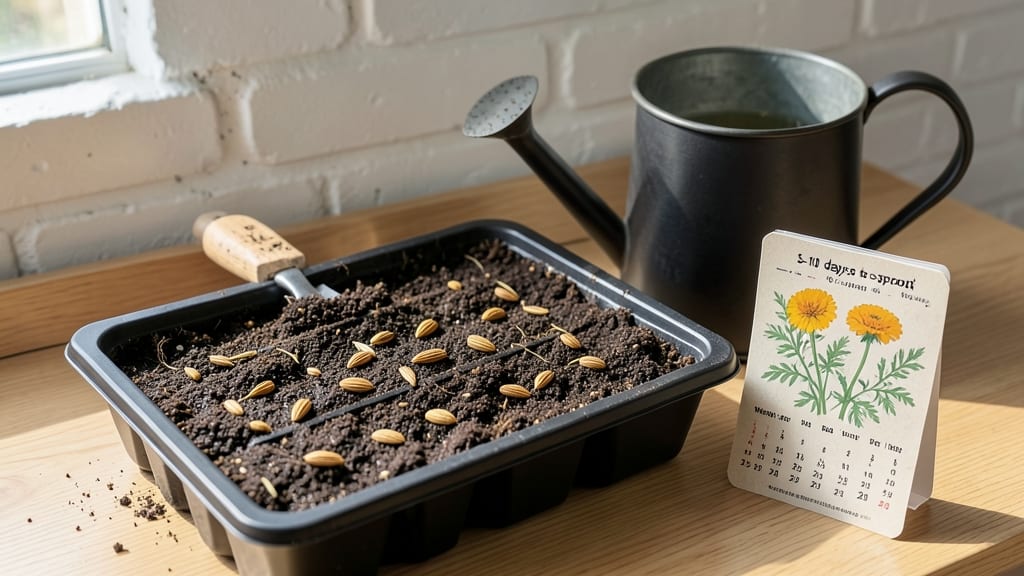
Growing flower seeds from scratch takes anywhere from 3 weeks to 6 months, depending on the type of 🌸 you’re cultivating and your local climate.
Ever stared at a seed tray, wondering why nothing’s sprouted yet? Some flowers like marigolds pop up in 7–10 days, while others, like orchids, can take 3–6 months just to break the soil.
The secret isn’t just patience—it’s knowing what your seeds need to speed up (or slow down) their timeline.
This guide cuts through the guesswork by breaking down germination times by seed type, soil temperature tricks to fast-track growth, and the hidden factors that turn weeks into months.
Whether you’re impatient for summer blooms or planning a year-ahead garden, you’ll know exactly when to expect those first shoots—and when to call in reinforcements.
By the end, you’ll have a clear roadmap from seed to bloom, plus 5 pro tips to troubleshoot delays and coax even the slowest seeds into action. No more waiting in the dark!


Flower seed germination & growth timeline by type: fastest to slowest bloomers
Not all flower seeds follow the same schedule—some burst into life in weeks, while others take months to reward you with blooms. Understanding these timelines helps you plan your garden and manage expectations.
Fast growers like zinnias and marigolds can bloom in as little as 4-6 weeks, while slower varieties like lavender or dahlias may take 12-16 weeks or longer. Let’s break down the growth stages for popular flowers, from seed to first bloom.
Most flower seeds go through three key phases: germination (when the seed sprouts), seedling growth (leaf development), and flowering (when buds open). The time spent in each phase depends on the plant type, soil temperature, and light conditions.
For example, cosmos and sunflowers are known for their rapid growth, while perennials like peonies may take a full growing season before their first bloom.
Annuals (plants that complete their life cycle in one season) generally bloom faster than perennials (which return year after year). This is because perennials focus energy on root and foliage development before flowering. If you’re impatient for color, stick to fast-growing annuals like nasturtiums or bachelor’s buttons, which can bloom in 6-8 weeks.
| Flower Type | Germination Time | Seedling Stage | Time to First Bloom | Notes |
|---|---|---|---|---|
| Zinnias | 4-7 days | 2-3 weeks | 4-6 weeks | Fastest bloomer; loves full sun |
| Marigolds | 3-10 days | 2-3 weeks | 6-8 weeks | Pest-repellent; drought-tolerant |
| Cosmos | 7-14 days | 3-4 weeks | 6-8 weeks | Self-seeds easily; thrives in poor soil |
| Sunflowers | 7-14 days | 3-4 weeks | 8-12 weeks | Giant varieties take longer; needs space |
| Petunias | 7-21 days | 4-6 weeks | 8-10 weeks | Needs consistent moisture; deadhead for more blooms |
| Lavender | 14-30 days | 6-8 weeks | 12-16 weeks | Slow starter; drought-resistant once established |
| Dahlias | 10-20 days | 6-8 weeks | 12-16 weeks | Tubers need warmth; stake for support |
| Peonies | 21-30 days | 8-10 weeks | 16-24 weeks (year 1) | Perennial; blooms best in year 2-3 |
If you’re growing annuals like zinnias or marigolds, you’ll see blooms in as little as 4-6 weeks—perfect for quick color in your garden. These fast growers are ideal for succession planting, where you sow new seeds every 2-3 weeks to ensure continuous blooms all season.
For example, planting zinnias every 10 days in spring can keep your garden vibrant until frost.
Slower-growing flowers, like lavender or dahlias, require more patience but offer long-lasting rewards. Lavender, for instance, may take 12-16 weeks to bloom but will return year after year with minimal care.
Meanwhile, dahlias need tubers to be planted early in warm soil, and their large, dramatic blooms make the wait worthwhile. These perennials often reward you with bigger, showier flowers than annuals.
For perennials like peonies, the first year is mostly about root and leaf growth. You might not see blooms until year 2 or 3, but once established, they’ll thrive for decades with minimal effort. If you’re eager for color, consider planting a mix of fast annual
How soil temperature and climate accelerate (or delay) flower seed growth
Soil temperature is the hidden controller of your flower seeds’ growth timeline. While some seeds sprout in 5–7 days with warmth, others may refuse to germinate until the soil hits their ideal range.
For example, marigolds and zinnias need 70–85°F soil to wake up, while snapdragons and calendulas can start at a cooler 60–65°F. Planting too early in cold soil? Your seeds might just sit there, waiting for the right conditions.
Your hardiness zone plays a starring role too. In USDA Zone 5 or colder, warm-season flowers like petunias and geraniums won’t germinate until late spring or early summer—sometimes 6–8 weeks after your last frost date.
Meanwhile, in Zones 8–10, you can start warm-season seeds in February for early blooms. The key is matching your seed’s minimum germination temperature to your local soil conditions.
| Flower Type | Minimum Germination Temp (°F) | Ideal Soil Temp (°F) | Germination Time (Days) | Best Planting Window |
|---|---|---|---|---|
| Petunias (Warm-Season) | 70°F+ | 75–85°F | 7–14 | After last frost (May–June) |
| Snapdragons (Cool-Season) | 60°F+ | 65–75°F | 10–21 | Early spring or fall |
| Zinnias (Warm-Season) | 70°F+ | 80–90°F | 5–10 | Late spring–early summer |
| Cosmos (Warm-Season) | 65°F+ | 70–80°F | 7–14 | Early spring or fall |
| Lavender (Cool-Season) | 55°F+ | 60–70°F | 14–30 | Late winter–early spring |
If your soil is too cold, seeds may rot before germinating. Use a soil thermometer to check temps—most garden centers sell them for under $10. For warm-season flowers like petunias, wait until the soil is consistently 60°F+ at 2 inches deep.
In cooler climates, start these seeds indoors with a heat mat (set to 75–85°F) 6–8 weeks before your last frost.
Climate also dictates planting schedules. In Zone 7, you might plant cosmos seeds directly in the garden in March, but in Zone 3**, wait until May to avoid frost damage.
Pro tip: Cool-season flowers like snapdragons and calendulas can handle 50–55°F soil, making them perfect for early spring or fall planting—even in colder regions.
Don’t let slow soil ruin your plans. If your area has short growing seasons, opt for fast-germinating seeds like marigolds or nasturtiums (germinate in 5–7 days at 75°F).
For longer timelines, like lavender (which can take 30+ days to sprout), start seeds indoors under grow lights to extend your season.
Adjusting for your climate isn’t just about timing—it’s about survival. Seeds planted in cold, wet soil are prone to damping off, while those in overly hot soil may dry out before germ