
Propagation
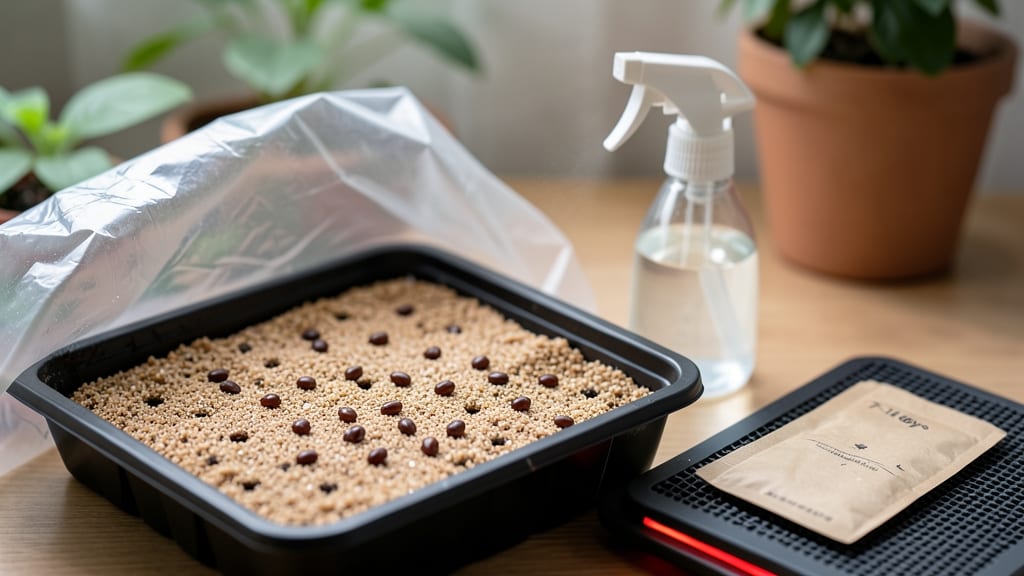
Flower seeds take anywhere from 2 days to 4 weeks to germinate, depending on the type and conditions — and knowing this timeline can mean the difference between a thriving garden and a waiting game.
Picture this: you’ve just planted your 🌸 marigolds in early spring, only to stare at the soil for weeks with no sign of life. Meanwhile, your neighbor’s zinnias are already peeking through the dirt. Why the difference?
Germination time isn’t random—it’s a mix of seed type, temperature, and moisture. Some seeds, like cosmos, sprout in just 3-5 days, while others, like delphiniums, can take 3-4 weeks or longer.
If you’re eager to see those first green shoots, you’re not alone. The good news is that with the right conditions—consistent warmth, proper moisture, and sometimes a little extra help like pre-soaking—you can cut germination time in half.
Below, I’ll break down the fastest and slowest germinators, plus the proven tricks to speed things up so you can enjoy your blooms sooner.
Ready to turn your patience into progress? Let’s dive into the science (and shortcuts) behind getting your flower seeds to sprout like clockwork.
Flower seed germination time by type: fastest to slowest sprouting chart
Knowing how long flower seeds take to germinate helps you plan your garden efficiently. Some seeds sprout in just 3-5 days, while others need 3-4 weeks or more. The key factors are soil temperature, moisture levels, and seed type.
For example, marigolds pop up quickly, while delphiniums can take months. Let’s break down the fastest to slowest germinators so you can set realistic expectations and adjust your planting schedule accordingly.
Fast germinators (3-10 days) are ideal for impatient gardeners or those starting late in the season. These include popular annuals like zinnias, marigolds, and cosmos.
Slow germinators (14-60+ days), such as foxgloves or lupines, often require special conditions like stratification or consistent moisture. Understanding these timelines ensures you don’t give up too soon or miss planting deadlines.
Temperature plays a huge role—most seeds germinate best between 65-85°F. Cool-season flowers like pansies or snapdragons may need 50-60°F soil to sprout. Meanwhile, tropical varieties like sunflowers or celosia thrive in warmer conditions.
Keeping your seed trays on a heat mat can cut germination time in half for slow starters.
Moisture is equally critical. Seeds need consistent dampness, not soggy soil. Overwatering can cause rot, while too little moisture halts germination. A simple trick? Use a spray bottle to mist seeds lightly daily until they sprout. For stubborn seeds, a humidity dome or plastic wrap creates the perfect microclimate.
| Flower Type | Germination Time | Ideal Soil Temp (°F) | Moisture Needs | Notes |
|---|---|---|---|---|
| Zinnias | 3-7 days | 70-85°F | Consistently moist | Fastest germinator; loves heat |
| Marigolds | 5-10 days | 75-85°F | Even moisture | Pest-repellent; drought-tolerant |
| Cosmos | 7-14 days | 60-75°F | Moderate water | Drought-resistant; self-seeds |
| Sunflowers | 7-21 days | 70-80°F | Deep watering | Large seeds; needs depth |
| Pansies | 10-21 days | 50-60°F | Keep damp | Cool-season; frost-tolerant |
| Snapdragons | 14-30 days | 60-70°F | Light moisture | Slow but reliable |
| Delphiniums | 21-60+ days | 65-75°F | Consistent dampness | Needs stratification |
| Foxgloves | 21-45 days | 60-70°F | Well-drained | Biennial; slow but stunning |
| Lupines | 30-60+ days | 55-65°F | Moist but not soggy | Needs scar
How to speed up germination: pro tips for faster flower seed sproutingGermination speed isn’t just luck—it’s science. Some flower seeds need warmth, others need moisture, and a few need both to break dormancy. The key to faster sprouting lies in mimicking their natural conditions. For example, marigolds and zinnias thrive with consistent soil temperatures of 70-80°F, while delphiniums and foxgloves often need cooler 50-60°F to germinate. Even a 5°F difference can double or halve your wait time. If you’ve ever planted seeds and stared at the soil for weeks with no results, you’re not alone. The good news? Small tweaks—like pre-soaking seeds or using the right container—can shave days (or even weeks) off germination. Below, I’ll share my top science-backed tricks to get those tiny roots pushing through the soil faster than ever. Think of it as giving your seeds a head start, just like you would with a marathon runner.
One of the biggest mistakes gardeners make is overwatering or underwatering during germination. Seeds need consistent moisture—not soggy soil. I use a spray bottle to mist seeds lightly every 1-2 days, keeping the soil damp but never waterlogged. A clear plastic dome or zip-top bag (with holes for airflow) creates a mini greenhouse effect, speeding up sprouting by 2-3 days for seeds like basil or nasturtiums. For slow germinators, patience is key—but don’t give up too soon. Some seeds, like foxgloves, can take 3-6 weeks to sprout, especially in cool conditions. If you’ve waited twice the expected time with no results, it might be time to test seed viability or try a fresh batch. Pro tip: Plant a few extra seeds as a backup—you’ll thank yourself later when those first green shoots appear. Ready to put these tips into action? Grab your seeds, adjust your setup, and watch those sprouts emerge faster than ever. With the right conditions, you could see your first 🌱 seedlings in as little as 3-5 days—no waiting required! |