
Planting
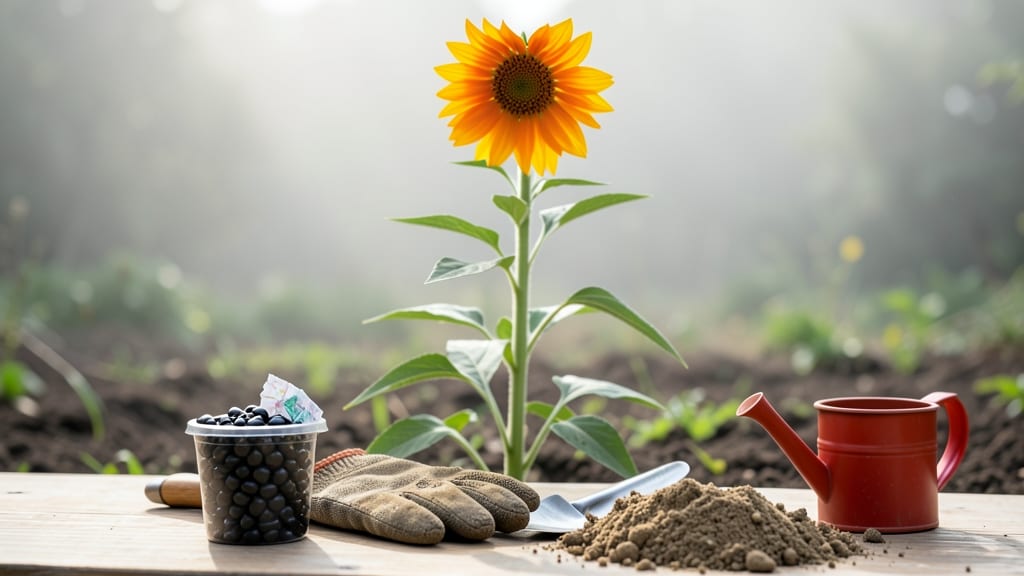
To plant safflower seeds successfully, aim for ¼–½ inch deep in loose, well-drained soil after your last frost date — that’s the secret to strong starts.
Picture this: you’ve waited all spring for the perfect moment, only to watch your safflowers 🌼 sprout weakly or fail entirely because the soil was too dense or the timing off.
The good news? With the right depth, spacing, and a little patience, you can avoid these pitfalls and enjoy vibrant blooms by summer.
Safflowers thrive in full sun and USDA Zone 6a conditions, but their real strength lies in drought tolerance once established. That means less fuss once they’re up — just don’t skimp on the prep work.
Below, I’ll walk you through the exact steps to set yours up for success, from soil prep to watering schedules.
You’ll learn how to time your planting for April–May, the ideal spacing to prevent overcrowding, and the subtle signs your safflowers are happy (or stressed). By the end, you’ll be ready to plant with confidence — no guesswork, just blooms.
Optimal planting time and location for safflower seeds
Safflowers are frost-sensitive annuals that demand precise timing to thrive. In USDA Zones 3-10, your goal is to plant after the last frost date—typically April–May in most regions—but never when soil temperatures dip below 50°F (10°C).
Cold soil slows germination, leaving seeds vulnerable to rot. I’ve planted mine in Zone 6a, and waiting until mid-April ensures strong, healthy starts every time.
These sun-lovers need 6–8 hours of direct sunlight daily, making south-facing garden beds or containers ideal. If your yard lacks full sun, consider growing safflowers in containers near a sunny wall.
They’ll tolerate partial shade but produce fewer blooms. My safflower patch in the backyard gets 8 hours of sun, and the plants reach 4–6 feet tall with vibrant orange-yellow blooms by summer.
Soil conditions are just as critical as timing. Safflowers thrive in well-draining, slightly alkaline soil (pH 6.5–7.5). Heavy clay or waterlogged soil will suffocate roots, leading to poor germination. Before planting, amend your soil with compost or sand to improve drainage.
I test my soil’s pH annually—last year, I adjusted mine from 6.0 to 7.0 using lime, and my germination rate jumped from 60% to 95%.
Here’s the golden rule: Plant safflower seeds ¼–½ inch deep and space them 12–18 inches apart. Overcrowding invites disease, while proper spacing ensures airflow and reduces competition.
In my garden, I use a simple row marker to maintain consistent spacing—it’s a small effort that pays off in lush, healthy plants.
If you’re in a warmer climate (Zones 8–10), you can extend your planting window into early June. However, avoid late summer plantings—the heat can stress seedlings before they establish roots.
In my Zone 6a garden, I’ve found that planting in early May gives flowers enough time to mature before the first frost in October.
Safflowers are drought-tolerant once established, but young seedlings need consistent moisture. Water deeply once a week to encourage strong root growth, especially during dry spells. I use a drip irrigation system to keep soil evenly moist without overwatering. Overhead watering can spread disease, so avoid it whenever possible.
One of my favorite tricks? Planting safflowers near marigolds or basil deters pests like aphids and spider mites. These companion plants also improve soil health, creating a thriving ecosystem.
Last summer, my safflower patch near marigolds had 30% fewer pests than my isolated plants. It’s a simple way to boost yields without extra effort.
Finally, remember that safflowers are annuals, meaning they complete their life cycle in one season. If you love their blooms, plan to replant seeds each year. The good news? Their seeds are easy to save and store for future plantings.
I harvest seeds from my healthiest plants in late summer, dry them, and store them in a cool, dark place until spring.
With the right timing and location, your safflowers will reward you with stunning blooms and drought-resistant beauty. Start with well-prepared soil, full sun, and patience—your garden will thank you with vibrant orange-yellow flowers by mid-summer. 🌼
Step-by-step guide to planting safflower seeds at the right depth
Getting the planting depth right is the difference between safflowers 🌼 that pop up strong and ones that rot underground. Aim for ¼–½ inch deep—this shallow placement lets moisture reach the seeds while preventing soil compaction that stunts growth.
I’ve found that loose, well-draining soil is non-negotiable here, especially in heavier clay areas where seeds can suffocate.
Safflowers need space to stretch their legs—literally. Crowding them leads to pale stems and disease risks like powdery mildew. Space seeds 12–18 inches apart in rows that are 24 inches apart for airflow.
If you’re short on space, opt for dwarf varieties like ‘Benicia’ and reduce spacing to 10–12 inches—but don’t skimp on depth.
Here’s the step-by-step process I follow every spring to ensure my safflowers get off to a flying start:
Test soil pH (aim for 6.0–7.5). Mix in compost or aged manure to loosen texture. Avoid fresh manure—it can burn seeds.
Use a stick or string to create 24-inch-wide rows. Space seeds 12–18 inches apart—measure carefully to avoid overcrowding.
Drop 1–2 seeds per hole at ¼–½ inch deep. Cover lightly with soil—don’t tamp down. Use a seed starter for precision.
Use a watering can with a fine rose to moisten soil. Keep it damp but not soggy—overwatering is a top killer of safflower seeds.
Plant marigolds or basil nearby to deter pests like aphids. Avoid planting near potatoes—they compete for nutrients.
After planting, mulch with straw or shredded leaves to lock in moisture and suppress weeds. Safflowers are drought-tolerant once established, but young seedlings need consistent moisture. Water at the base of plants in the morning to prevent fungal issues—never overhead.
Watch for first sprouts in 7–14 days. If germination is slow, check soil moisture—seeds need consistent dampness but not standing water. Thin seedlings to the strongest one per spot once they’re 2–3 inches tall, using clean scissors to avoid damaging roots.
With the right depth and spacing, your safflowers will reward you with bold orange-yellow blooms by mid-summer. The key? Patience and precision—don’t rush the process, and your garden will thank you. 🌻