
Blooming
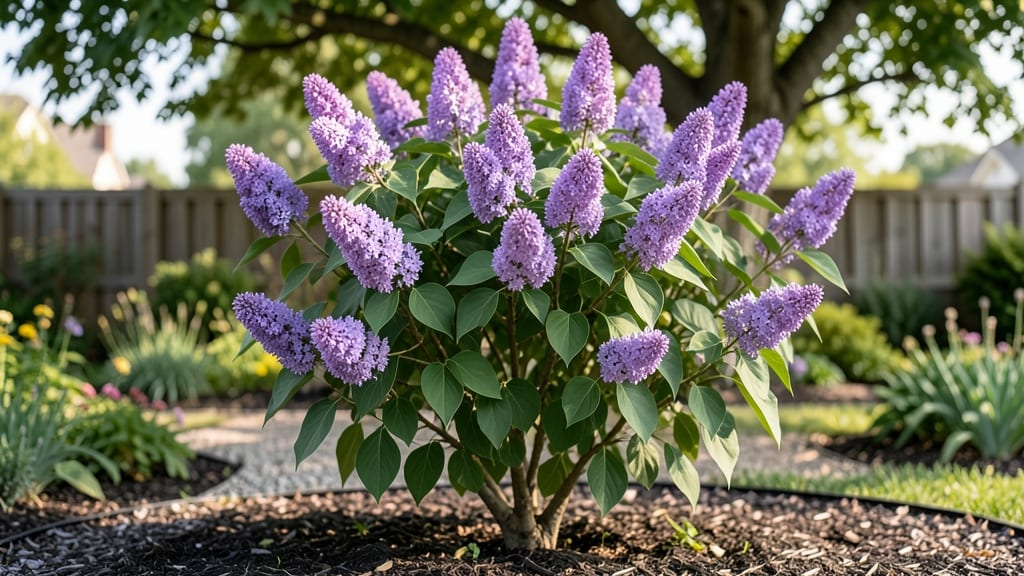
The lilac flower blooming season is the highlight of spring gardens, filling the air with intoxicating fragrance and vibrant colors 🌸 — but timing can be tricky if you’re not in the know.
If you’ve ever waited impatiently for your lilac bushes to burst into fragrant blooms—only to be disappointed by late or sparse flowers—you’re not alone. The secret to timing lilac blooms perfectly lies in understanding your hardiness zone, variety, and a few pro gardening tricks.
Lilacs typically bloom in late spring, but the exact timing shifts depending on where you live. In USDA Zone 6a, like many gardeners, you’ll see buds swell in April, with full blooms by early May. However, southern zones can bloom weeks earlier, while northern climates may wait until June.
In this guide, I’ll break down the best varieties for your zone, how to coax earlier or longer blooms, and the critical pruning mistake that kills next year’s flowers. Ready to transform your lilacs into a fragrant showstopper?
When do lilacs bloom? Exact timing by USDA hardiness Zone & variety
Lilacs are one of the most eagerly anticipated spring bloomers, but their exact timing depends on two critical factors: your USDA hardiness zone and the specific lilac variety you're growing. In colder zones like 3-5, lilacs often bloom 2-3 weeks later than in warmer zones like 7-8.
This shift happens because lilacs need chill hours (cold winter temperatures) to trigger blooming, but they also can't handle late frosts.
For example, a French lilac in Zone 5 might bloom in mid-May, while the same variety in Zone 8 could flower as early as late April. Understanding these patterns helps you predict when to expect those fragrant purple clouds in your garden—and how to adjust care for optimal blooms.
🌸
To predict your local lilac bloom window, start by checking your last average frost date. Lilacs typically bloom 4-6 weeks after the last frost in your area. For instance, if your last frost is April 15, expect blooms around May 15-30, depending on your variety and zone.
In Zone 3, where winters are harsh, lilacs often wait until late May or June to bloom, as they need more chill hours. Meanwhile, in Zone 8, milder winters can trigger earlier blooms, sometimes as early as late March for hardy varieties like Korean lilacs.
🌿
One common misconception is that lilacs bloom in early spring. While they're among the first shrubs to flower, their exact timing varies widely. For example, Miss Canada lilacs are known as late bloomers, often flowering in June when other varieties have already faded.
This makes them perfect for extending your garden's bloom season.
If you're in Zone 5 or 6, pay close attention to early May weather. A late frost can damage emerging buds, while an unseasonably warm spell might trick lilacs into blooming too early.
To protect your blooms, consider covering young plants with frost cloth if late frosts are predicted in your area.
🌷
For gardeners in Zone 7 and warmer, lilacs often bloom earlier but may struggle with heat stress if summer arrives too soon. To combat this, ensure your lilacs get morning sun and afternoon shade, especially in southern climates. Proper watering—deep but infrequent—also helps maintain healthy blooms.
Pro tip: If your lilacs aren't blooming when expected, check for over-pruning or poor drainage
5 Pro tips to trigger earlier or longer lilac blooms
Want your lilacs to burst into bloom weeks earlier—or enjoy longer-lasting flowers—without relying on luck? The key lies in strategic care that aligns with your hardiness zone and variety.
Many gardeners unknowingly delay blooms by pruning at the wrong time or neglecting winter prep, but these 5 pro tips will shift your lilac’s schedule to your advantage. Let’s dive into the secrets that turn "meh" blooms into showstopping displays.
First, pruning timing is everything. Most gardeners make the mistake of trimming lilacs in late winter or early spring, but this removes next year’s flower buds, which form on old wood during the previous summer.
Instead, prune immediately after flowering—typically in May or June—to encourage robust bud formation for the following season. This one tweak can advance blooms by 1-2 weeks.
🌸 5 Pro Tips for Stunning Lilac Blooms
- 1. Prune after blooms fade – Cut back 1/3 of old wood in late spring to trigger earlier buds.
- 2. Mulch heavily in winter – 3-4 inches of mulch insulates roots, protecting buds from frost damage.
- 3. Feed in early spring – Use balanced fertilizer (10-10-10) when buds swell for vibrant blooms.
- 4. Choose early bloomers – Varieties like ‘Mme. Lemoine’ bloom 2 weeks earlier than common lilacs.
- 5. Ensure full sun + drainage – 6+ hours of sun and well-draining soil prevent stress that delays blooms.
✅ Pro Tip: Avoid over-pruning—never remove more than 1/3 of the shrub at once!
Next, winter care sets the stage for next year’s blooms. Lilacs are hardy perennials, but their buds need protection from freeze-thaw cycles that can crack them. Apply a 3-4 inch layer of mulch around the base in late fall, using shredded bark or straw.
This insulation keeps roots 5-10°F warmer, preventing bud damage that would otherwise delay—or even cancel—spring blooms.
Don’t overlook the power of soil amendments. Lilacs thrive in slightly alkaline soil (pH 6.5-7.5), but many garden soils lean acidic. Test your soil in early spring and amend with lime or wood ash if needed.
A light feeding of balanced fertilizer (10-10-10) in March, right as buds begin to swell, gives them the nutrient boost needed for longer-lasting blooms. Skip summer fertilizing—it encourages leafy growth over flowers.
If your lilacs are late bloomers, variety selection might be the issue. Some early-blooming lilacs, like ‘Mme. Lemoine’ or ‘Dwarf Korean’, can flower 2-3 weeks earlier than standard varieties. These compact shrubs also handle colder climates (zones 3-7) better, making them ideal for northern gardens.
For longer bloom duration, opt for repeat-blooming varieties like ‘Bloomerang’, which produce two flushes of flowers per season.
Finally, avoid these common blooming killers: Over-pruning (removing more than 1/3 of the shrub), poor drainage (leading to root rot), and planting in shade. Lilacs need full sun (6+ hours daily) to set buds properly.
If your yard lacks sun, consider a south-facing wall or container gardening near a sunny window. With these tweaks, you’ll enjoy earlier, longer, and more abundant lilac blooms year after year.