
Blooming
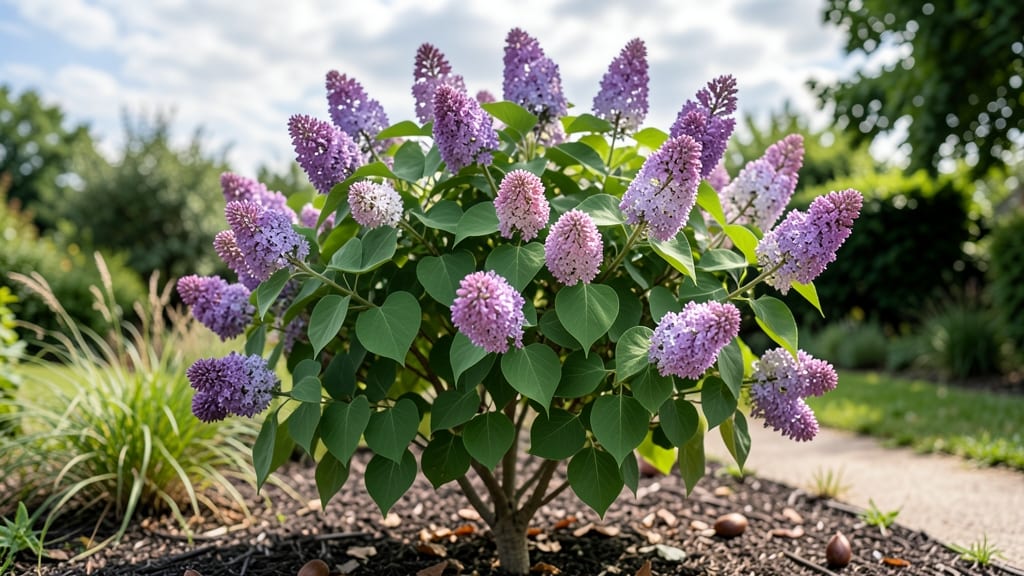
The lilac flowering time can be stretched by weeks with the right pruning—picture fragrant blooms arriving just in time for Mother’s Day or lingering through Memorial Day weekend. Picture this: your 🌸 bushes bursting with color just as Mother’s Day rolls around, or extending their show through Memorial Day weekend.
The secret isn’t complicated, but timing is everything—and most gardeners miss the critical window that makes the difference.
Regional climate plays a role, too. In Zone 6a, where lilacs thrive, a late frost can push blooms back, while warmer microclimates might trigger earlier flowering. But the real game-changer? Pruning at the right stage to encourage new growth without sacrificing next year’s flowers.
Below, I’ll walk you through the exact pruning schedule to stretch your lilac season, plus the 5 mistakes that cut blooms short—and how to avoid them. Ready to turn your yard into a fragrant springtime oasis?
When Do lilacs bloom normally? Understanding flowering time by variety
Lilacs are one of the most anticipated spring bloomers, filling gardens with their intense fragrance and vibrant colors. But did you know their flowering time varies dramatically by variety?
While most lilacs bloom in late spring, some varieties start as early as April in warm climates or delay until June in cooler regions. Understanding these differences helps you plan your garden and extend bloom seasons with the right care.
The USDA Zone 6a (where lilacs thrive best) typically sees peak blooms between mid-April and early May, but temperature fluctuations can shift this window by weeks.
For example, a late frost might delay blooms, while an early heatwave can push them forward. Regional climate plays a huge role—southern gardens often see earlier blooms, while northern areas may wait until late May.
Now let’s compare the top 5 lilac varieties and their peak bloom periods. This visual guide will help you choose the perfect lilacs for your garden’s timeline and climate zone.
| Variety | Peak Bloom Time | Color | Fragrance | USDA Zone |
|---|---|---|---|---|
| 'Katherine Havemeyer' | Early to mid-May | Pale lavender | Strong, sweet | 3-7 |
| 'Dwarf Korean' | Late April to early May | Deep purple | Moderate | 4-8 |
| 'Mme. Lemoine' | Mid-May | Soft pink | Light, floral | 3-7 |
| 'Bloomerang' | Late May to early June | Purple-blue | Strong, repeat blooms | 4-8 |
| 'Armand de Brignac' | Early June | White | Very strong, spicy | 3-7 |
'Katherine Havemeyer' is a classic early bloomer, often the first to burst into color in Zone 6a. Its pale lavender blooms and intense fragrance make it a garden favorite, but it’s also sensitive to late frosts.
If you live in a cooler climate, consider planting it near a south-facing wall to protect it from chilly nights.
'Dwarf Korean' lilacs are compact and early, perfect for small gardens or containers. They bloom in late April and thrive in Zones 4-8, making them versatile for many regions. Their deep purple flowers provide a striking contrast to lighter varieties and attract pollinators early in the season.
For a mid-season splash, 'Mme. Lemoine' offers soft pink blooms that appear in mid-May. This variety is prized for its delicate fragrance and neat growth habit, making it ideal for foundation plantings. It’s also drought-tolerant once established, reducing your watering workload.
'Bloomerang' is a modern marvel that bucks the trend—it blooms twice a year! The first flush appears in late May, with a second round in summer or fall.
This variety is perfect if you want extended color and fewer gaps in your garden’s bloom cycle. Just ensure it gets full sun and well-draining soil.
'Armand de Brignac' is a late-season stunner, with pure white blooms that appear in early June. Its spicy, intoxicating fragrance is legendary, but it requires regular pruning to maintain its shape. Plant it where you can enjoy its scent up close, like near a patio or walkway.
To maximize bloom time, pay attention to your local frost dates and
Pruning secrets to delay lilac flowering by 3 weeks
Timing is everything when it comes to delaying lilac blooms. Most gardeners prune after flowering, but if you want to push back those fragrant purple blooms by up to 3 weeks, you need to work with the plant’s natural cycle.
The key is to prune at the right stage—not too early, not too late—to encourage new growth while preserving next year’s flower buds.
Lilacs bloom on old wood, meaning their flowers form on stems from the previous year. If you prune too aggressively, you risk removing next year’s buds entirely. However, strategic pruning can delay flowering by 2-3 weeks by encouraging new growth that blooms later.
The critical window for this technique is immediately after the blooms fade but before the plant sets buds for next year.
🌸 Key Takeaway: Lilac Flowering Time Control
To delay blooms by 3 weeks, prune lilacs 6-8 weeks after flowering (late June to early July in Zone 6a). Remove 1/3 of the oldest stems to encourage new growth that blooms later. Avoid pruning new wood—this removes next year’s buds.
✅ Do: Prune in late June for a July-August bloom delay
❌ Avoid: Pruning before buds form (after July)
Here’s the step-by-step schedule to delay lilac flowering:
- Wait until blooms fade completely (usually late May in Zone 6a).
- Mark 1/3 of the oldest stems—these are the ones that bloomed this year.
- Prune those stems back to the base in late June (about 6-8 weeks after flowering).
- Leave the remaining stems—these will produce new growth that blooms later.
The new growth from pruned stems will form buds for next year’s blooms, but they’ll appear 2-3 weeks later than usual. For example, if your lilacs normally bloom in early May, this technique can push them back to mid-May.
This works best for standard lilacs—avoid it with ‘Bloomerang’, which blooms twice naturally.
After pruning, give your lilacs a light fertilizer (10-10-10) to support new growth. Water deeply but avoid soggy soil, which can stress the plant. Mulch around the base to retain moisture and protect roots.
By late August, you’ll see new shoots forming—these will bloom next spring, but 3 weeks later than usual.
Pro tip: If you want even more control, choose late-blooming varieties like ‘Armand de Brignac’ (early June blooms) and prune them in early August. This can push blooms back to mid-June or July, extending your garden’s fragrance well into summer. Just remember: prune late, bloom later!