
Fertilization
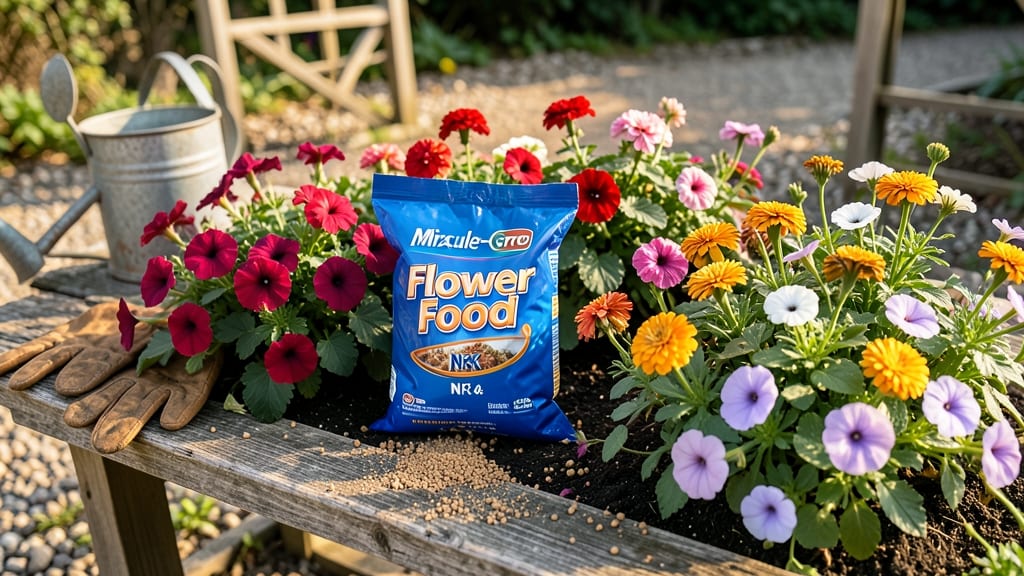
Miracle Gro Flower Food’s NPK 10-10-10 ratio is the game-changer for gardeners who want blooms that last from spring to fall 🌸—but only if you use it right.
Picture this: You’ve spent weeks nurturing your Flower beds, only to watch vibrant petals fade too soon. The issue isn’t just water or sunlight—it’s often the missing link of balanced nutrition. Miracle Gro Flower Food delivers exactly what your plants crave, but timing and dosage make all the difference.
This isn’t just another fertilizer; it’s a precision tool designed to extend bloom cycles, boost flower size, and keep your garden looking lush from March through October.
Whether you’re growing annuals in containers or perennials in raised beds, the key lies in understanding when to feed (hint: not during dormancy!) and how much to use without scorching roots.
In this guide, I’ll walk you through the exact ratios, application tricks, and common mistakes to avoid—so you can finally enjoy flowers that stay vibrant longer, without the guesswork.
Understanding Miracle Gro Flower Food NPK ratios: what they mean for your plants
When you look at the label of Miracle Gro Flower Food, you’ll see the numbers 24-8-16 printed prominently. These are the NPK ratios—the percentages of nitrogen (N), phosphorus (P), and potassium (K)—that determine how this fertilizer supports your plants.
Unlike general-purpose fertilizers, this blend is specifically designed to extend bloom time and enhance flower production.
The NPK ratio of 24-8-16 means your Miracle Gro Flower Food contains 24% nitrogen, 8% phosphorus, and 16% potassium. This ratio is carefully balanced to support flowering plants through their entire growth cycle, from leafy growth to bud formation and full bloom.
The slightly higher nitrogen content helps build strong foliage, while the phosphorus and potassium work together to promote root development and flower production.
Here’s why this ratio works so well for flowers: Phosphorus is the key nutrient for flowering and fruiting, which is why it’s included at a moderate level. Potassium supports overall plant health, helping flowers resist disease and stress.
Meanwhile, nitrogen ensures your plants have the energy to produce abundant, vibrant blooms. Together, these nutrients create a perfect balance for long-lasting flowers.
But what do these numbers mean in practice? Nitrogen (N) is essential for leafy growth and green foliage, while phosphorus (P) is the nutrient that triggers blooming. Potassium (K), often called the "strength" nutrient, helps plants resist disease and recover from stress.
The 24-8-16 ratio ensures your plants get enough of each nutrient to thrive without overemphasizing one over the others.
If you’re growing annuals like petunias or marigolds, this fertilizer will keep them blooming all season long. For perennials like roses or daylilies, it helps them recover after winter and produce more flowers in the following year.
Even bulbs like tulips or daffodils benefit from the phosphorus boost, which encourages stronger root systems and bigger blooms.
Understanding how to read fertilizer labels is crucial. The first number (24) is always nitrogen, the second (8) is phosphorus, and the third (16) is potassium.
Miracle Gro Flower Food’s ratio is slightly higher in nitrogen than some other flower-specific fertilizers, which helps balance growth and bloom. This means you won’t end up with leafy plants and few flowers—a common issue with fertilizers that are too high in nitrogen.
Here’s a quick breakdown of how each nutrient supports your plants:
| Nutrient | Role in Flowering Plants | Miracle Gro Flower Food % | Best For |
|---|---|---|---|
| Nitrogen (N) | Promotes leafy growth and green foliage | 24% | Early growth stages, annuals, foliage plants |
| Phosphorus (P) | Encourages flowering, root development, and seed production | 8% | Bud formation, perennials, bulbs |
| Potassium (K) | Supports overall plant health, disease resistance, and stress tolerance | 16% | Blooming stage, drought conditions, recovery after stress |
The 8% phosphorus in Miracle Gro Flower Food is particularly important for flowering plants because it’s the nutrient that triggers blooms. Without enough phosphorus, your plants might produce lots of leaves but few flowers.
The 16% potassium ensures your flowers stay vibrant and healthy, even in hot or stressful conditions. This is why this fertilizer is so effective for long-lasting blooms—it doesn’t just feed the leaves; it supports the entire plant.
If you’re growing bulbs like tulips or daffodils, applying Miracle Gro Flower Food in the fall (before dormancy) and again in the spring (as shoots emerge) will help them develop stronger roots and produce bigger blooms the following year.
For annuals like petunias or zinnias, a monthly application during the growing season keeps them blooming nonstop.
One common mistake is overapplying nitrogen-rich fertilizers, which can lead to leafy growth at the expense of flowers. Miracle Gro Flower Food’s 2
How to Apply Miracle Gro Flower Food for maximum bloom duration: step-by-step guide
Timing is everything when using Miracle Gro Flower Food with its 10-10-10 NPK ratio. Unlike general-purpose fertilizers, this formula is specifically designed to extend bloom cycles—but only if applied during the right growth stages.
For example, new growth stages (spring and early summer) need slightly more nitrogen to establish strong foliage, while blooming stages (late summer) benefit from phosphorus to promote flower development.
The key to success lies in understanding your plants' needs: annuals like petunias and marigolds thrive with frequent feeding, while perennials such as daylilies and coneflowers prefer a more gradual approach.
Applying too much too soon can lead to lush leaves but few blooms, while underfeeding results in weak stems and short-lived flowers. Let’s break down the exact steps to get it right every time.
Step-by-Step Miracle Gro Flower Food Application
- 1 Choose the Right Time: Apply during active growth phases—spring for new foliage, early summer for bud formation, and late summer for blooming.
- 2 Dilute for Soil Feeding: Mix 1 tbsp per gallon of water for in-ground plants. For container gardens, use half the dose (½ tbsp per gallon) to prevent salt buildup.
- 3 Water Thoroughly Before Applying: Moisten soil to 1 inch deep to help distribute nutrients evenly and prevent root burn.
- 4 Apply to Soil (Not Leaves): Pour diluted solution at the base of plants, avoiding foliage. For foliar feeding, use a ¼-strength solution (¼ tbsp per gallon) and spray in early morning.
- 5 Feed Every 4-6 Weeks: Stick to this schedule during growing season (March-October). Skip feeding in dormant months (November-February) unless in mild climates.
- 6 Watch for Over/Under-Feeding: Yellow leaves or slow growth = underfeeding. Brown leaf tips or crispy edges = overfeeding. Adjust dosage accordingly.
One of my biggest lessons came from overfeeding petunias in a raised bed—what I thought was lush growth turned out to be salt buildup, which stunted their blooms.
The fix? Flushing the soil with plain water and halving the dosage. Now, I always double-check soil moisture before applying fertilizer to avoid similar mistakes.
For container gardens, I’ve found that mixing Miracle Gro Flower Food with compost tea (1:1 ratio) provides a gentle, organic boost while maintaining the NPK balance. This combo works especially well for blooming perennials like lavender and salvia, which thrive on consistent but not excessive feeding.
Remember, the goal isn’t just to feed your flowers—it’s to extend their bloom time while keeping them healthy. By following these steps and paying attention to your plants’ responses, you’ll enjoy vibrant, long-lasting blooms from spring through fall—no guesswork required 🌷