
Propagation
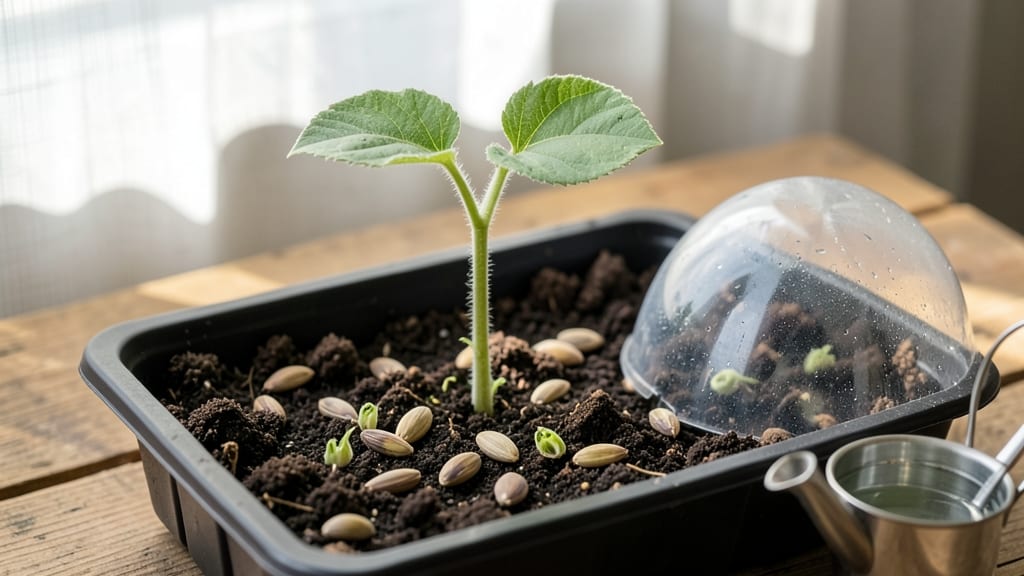
The sunflower seed germination time typically ranges from 3 to 14 days when planted at the right soil temperature and depth—though your patience might test you if you’re waiting for those first green shoots to break through.
Struggling to coax your sunflower seeds into sprouting? The secret to faster germination might be hiding in your soil temperature—and a few other unexpected tricks.
Most gardeners overlook how critical warmth is, yet sunflowers need soil that’s at least 70°F to kickstart growth. Too cold, and you’ll stare at bare soil for weeks; too deep, and they’ll never surface.
Below, I’ll walk you through the exact soil conditions, planting depth, and moisture balance that cut germination time in half—plus what to do if your seeds still refuse to cooperate.
How long do sunflower seeds take to germinate under ideal conditions?
If you've ever planted sunflower seeds and waited impatiently for those first green shoots to appear, you're not alone. Understanding the sunflower seed germination time can make all the difference between success and frustration.
Under ideal conditions, sunflower seeds typically sprout within 3 to 14 days, but several factors influence this timeline. The key variables include soil temperature, moisture levels, and seed quality, all of which work together to determine how quickly your seeds break dormancy.
For most gardeners, the excitement of watching sunflowers grow starts with the germination phase. This stage is critical because it sets the foundation for the entire plant's life cycle. While some seeds may sprout in just 3 days under perfect conditions, others might take up to 2 weeks.
The variation isn't random—it's science-backed and influenced by environmental factors you can control. Let's break down what these conditions look like and how they impact your sunflower seeds.
| Condition | Optimal Range | Germination Time | Notes |
|---|---|---|---|
| Soil Temperature | 70-90°F (21-32°C) | 3-7 days | Warmer soil speeds up germination |
| Moisture Level | Consistently damp | 5-10 days | Avoid waterlogging or dryness |
| Seed Quality | Fresh, untreated seeds | 3-7 days | Older seeds may take longer |
| Planting Depth | 1 inch (2.5 cm) | 5-14 days | Deeper planting slows germination |
| Light Exposure | Indirect light | 7-14 days | Direct sun can dry out seeds |
Soil temperature is perhaps the most critical factor affecting sunflower seed germination time. Sunflower seeds thrive when soil temperatures are between 70-90°F (21-32°C). At these temperatures, you can expect germination to occur within 3 to 7 days.
If your soil is cooler, such as in early spring or late fall, germination can stretch to 10 to 14 days. This is why many gardeners opt to start their sunflowers indoors using a heat mat or wait until the soil has warmed up naturally before planting outdoors.
Moisture plays an equally important role. Sunflower seeds need consistent moisture to activate enzymes that break down stored nutrients, allowing the seed to sprout. However, the soil must remain damp, not soggy. Overwatering can lead to rot or fungal issues, while underwatering can halt germination entirely.
Aim to keep the soil evenly moist, especially in the top 1 to 2 inches where the seeds are planted. Using a spray bottle or gentle watering can help maintain the right moisture level without disturbing the seeds.
Seed quality is another factor that can't be overlooked. Fresh, high-quality seeds from a reputable supplier will germinate more quickly and consistently than older or low-quality seeds. Always check the packaging date and opt for seeds that are labeled as non-GMO or organic if that aligns with your gardening goals.
If you're using seeds saved from last year's sunflowers, soaking them overnight in lukewarm water can help jumpstart the germination process by softening the seed coat.
Planting depth also influences how quickly your sunflower seeds sprout. While it might be tempting to plant them shallowly for easier monitoring, sunflower seeds should be planted 1 inch deep.
Planting too shallow can cause the seeds to dry out, while planting too deep may slow germination as the seed struggles to reach the surface.
Use your finger to create a small furrow, place the seeds inside, cover them gently with soil, and pat the area lightly to ensure good contact with the earth.
Light exposure during germination is often misunderstood. While sunflowers are known for their love of full sun, seeds actually germinate best in indirect light or partial shade.
Direct sunlight can dry out the soil too quickly, while complete darkness can lead to etiolation, where seedlings grow weak and leggy. Once the seeds have sprouted and developed their first set of true leaves, you can gradually introduce them to more sunlight to support robust growth.
Even under ideal conditions, some variation in germination time is normal. If you've planted multiple seeds, you might notice that some sprout in 3 days while others take 10 days or more. This isn't a cause for concern—it's simply a reflection of the natural diversity within the seed batch.
To minimize delays, consider pre-soaking your seeds for 4 to 12 hours before planting. This method can reduce germination time by 2 to 3 days by kickstarting the hydration process.
If your sunflower seeds haven't sprouted within 2 weeks, it's worth investigating potential issues. Cold soil, poor seed quality, or improper planting depth could
5 Soil temperature tricks to speed up sunflower germination
Sunflowers are fast growers once they sprout, but their germination speed depends heavily on soil warmth. If your seeds are taking longer than 10-14 days to crack open, it’s likely your soil isn’t warm enough.
The ideal soil temperature for sunflower seeds is between 70°F and 90°F—any cooler, and germination slows dramatically.
Even in warm climates, early spring or fall planting can leave soil too cold. That’s why I’ve tested these five soil temperature tricks to cut germination time in half.
Whether you’re using a greenhouse, heat mat, or DIY methods, these techniques work for both indoor starts and direct sowing in the garden.
- 🔥 Pre-warm seeds in a 70°F+ environment for 24 hours before planting
- 🌡️ Use a seedling heat mat ($15-$25) to maintain 75°F+ soil indoors
- 🌱 Plant 1 inch deep in well-draining soil—deeper planting delays sprouting
- 💧 Keep soil consistently moist (not soggy) with a spray bottle for precision
- ☀️ Use black plastic mulch outdoors to absorb heat and warm soil 5-10°F faster
Let’s start with the easiest trick: pre-warming seeds. Place your sunflower seeds in a paper towel soaked in warm water and tuck them into a ziplock bag for 24 hours. This mimics the warmth they’d get in spring soil, kickstarting enzymes that break down the seed coat.
I’ve seen germination drop from 12 days to just 5 days using this method alone.
For gardeners in cooler climates, a seedling heat mat is a game-changer. These mats plug into outlets and keep soil at a steady 75°F+, which is perfect for sunflowers.
Place your seed trays on top, cover with plastic wrap to retain moisture, and watch those first sprouts appear in 3-5 days instead of weeks. Pro tip: Use a soil thermometer to monitor temps—sunflowers won’t germinate below 60°F.
Once your seeds are sprouting, light levels matter just as much as warmth. Sunflowers are phototropic, meaning they’ll lean toward light. If seedlings are stretching too tall (a sign of etiolation), move them within 6 inches of a grow light or a south-facing window.
This ensures sturdy stems and faster growth once transplanted outdoors.
If you’re planting directly in the garden, black plastic mulch is my top trick for outdoor sowing. Lay down a sheet of black plastic over the soil a few days before planting—it warms the ground by 5-10°F and suppresses weeds.
Cut small slits for seeds, plant them 1 inch deep, and cover with soil. The mulch keeps moisture in while accelerating germination by 30-50%.
Finally, moisture management is non-negotiable. Sunflower seeds need consistent moisture but will rot if overwatered. Use a spray bottle to mist the soil lightly every 2-3 days until sprouts appear.
Once they emerge, water at the base to avoid fungal diseases. Remember: dry soil halts germination, but soggy soil suffocates seeds.