
Picking
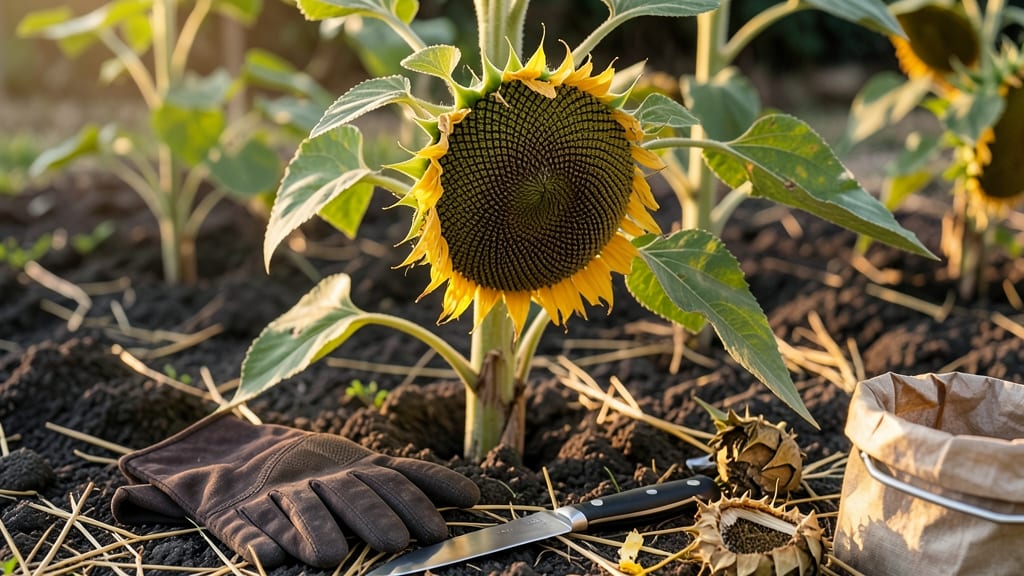
Sunflower seeds are ready to harvest when the back of the seed head turns a rich, golden-brown and the petals have fallen away 🌻 — a moment that separates a great harvest from a wasted crop.
Picture this: you’ve nurtured your towering 🌻 sunflowers all season, and now the stakes are high. One wrong move, and you’ll end up with seeds that are either bitter or shriveled.
But here’s the good news—spotting the perfect harvest window is simpler than you think, and I’ll walk you through the three foolproof signs so you never miss it again.
Most gardeners wait too long, hoping for seeds to dry out fully on the plant. That’s a recipe for disappointment—birds will swoop in, or rain will ruin your hard work.
The key is catching those seeds at the ideal maturity stage, when they’re firm, plump, and ready to store for months. Below, I’ll break down the visual cues, the best time of day to harvest, and even how to test seed readiness with just your hands.
Whether you’re saving seeds for next year’s garden or roasting them for snacks, you’ll learn how to turn your sunflowers into a simple, high-value harvest—no guesswork, no wasted effort. Let’s get started.


3 Clear visual signs sunflower seeds are harvest-ready
Harvesting sunflower seeds at the perfect moment transforms your garden into a nutrient-rich bounty. But how do you know when those seeds are truly ready to pick? Miss the window, and you’ll either end up with green, underdeveloped seeds or lose them to birds and weather.
The key lies in three unmistakable visual cues that tell you it’s time to act.
First, let’s address the biggest myth: waiting for seeds to turn completely brown isn’t always the best strategy. Overripe seeds can shatter or become less flavorful. Instead, focus on these three clear indicators that your sunflower seeds are at their peak maturity—and ready for harvest.
🌻 Numbered Highlights: Your Sunflower Seed Harvest Checklist
Mature sunflowers shed their bright yellow petals naturally. If you see only the seed head remaining (often with a few dried petal remnants), this signals peak maturity.
The reverse side of the seed head (the part facing away from sunlight) changes from green to yellow-brown. This indicates full seed development inside the head.
Hold the seed head and shake it lightly. If you hear a dry, papery rattle, the seeds are loose inside and ready to harvest. No rattle? Wait a few days.
These three signs work together like a natural countdown to harvest time. For example, if your sunflower’s petals have dropped but the back of the head is still green, give it 3-5 more days to mature.
Conversely, if the head is brown but seeds don’t rattle, they’re overripe and may shatter.
Pro tip: Harvest on a dry morning after the dew has evaporated. This prevents moisture from seeping into the seeds during storage. Use clean pruning shears or a sharp knife to cut the seed head from the stem, leaving a 1-2 inch stub to avoid damaging the plant.
What happens if you miss the window? If seeds stay on the plant too long, they’ll shatter and scatter, making collection messy. Worse, birds and squirrels will devour your crop before you can. On the flip side, harvesting too early means underdeveloped, bitter seeds that won’t store well.
For extra-large varieties (like ‘Mammoth’ sunflowers), monitor these signs closely—their seeds take slightly longer to mature. Dwarf varieties, however, may ripen faster, so check them every 2-3 days once petals start dropping.
Once you’ve confirmed all three signs, it’s time to harvest and dry your seeds properly. Lay the seed heads in a single layer on a screen or paper towel in a well-ventilated, dry area (like a garage or shed) for 1-2 weeks. Avoid direct sunlight to prevent discoloration.
With these visual cues, you’ll never second-guess your sunflower harvest again. The next time you see those petals drift to the ground and hear that telltale rattle, you’ll know it’s time to reap your golden reward. 🌻
How to test sunflower seed maturity: the squeeze and tap method
Testing sunflower seed maturity isn’t just about waiting for seeds to turn brown—it’s about precision. Relying on color alone can lead to underripe or overripe seeds, both of which ruin your harvest.
The squeeze and tap method gives you an instant, foolproof way to check readiness without cutting into the head. This technique, trusted by experienced gardeners, ensures you harvest seeds at their peak flavor and storage potential. Let’s break it down so you can confidently test your sunflowers.
Start by selecting a fully mature-looking sunflower head—one where the backside has turned golden-brown and the petals have mostly fallen off. These visual cues are your first clues, but they’re not enough. The real test comes next: the physical examination.
Grab the seed head gently with one hand and give it a firm squeeze. If the seeds feel plump and firm inside, they’re likely ready. If they’re still soft or mushy, they need more time on the plant.
Now for the tap test, the secret weapon of sunflower harvesters. Hold the seed head over a paper bag or bucket and give it a sharp tap with your knuckles. If the seeds rattle loudly inside, they’re dry and ready to harvest.
A dull thud means they’re still too moist. This method works because mature seeds detach easily from the head when dry, creating that signature rattling sound. Pro tip: Perform this test on multiple heads to ensure consistency across your crop.
- Step 1: Choose a head with golden-brown back and dropped petals.
- Step 2: Squeeze the head firmly—seeds should feel plump and firm.
- Step 3: Tap the head sharply—listen for a loud rattling sound.
- Step 4: If seeds rattle clearly, they’re harvest-ready. If not, wait 2-3 days and retest.
- Step 5: For extra accuracy, try the "back-of-the-head" test: Hold the head to your forehead—if it feels light and dry, seeds are ready.
Don’t overlook the "back-of-the-head" test, a trick I learned from a seasoned farmer. Hold the sunflower head against your forehead—if it feels light and dry (almost hollow-sounding), the seeds are perfect for harvest. This works because mature seed heads lose moisture and become lighter as they dry.
If it feels heavy or damp, give it more time. This method is especially useful for large sunflower varieties, where visual cues can be harder to spot from a distance.
Once you’ve confirmed maturity, harvest on a dry, sunny morning to prevent mold. Use clean pruning shears to cut the stem about 6 inches below the head. Hang the heads upside down in a well-ventilated, dry place for 1-2 weeks to fully dry.
Avoid harvesting in humid conditions, as this can lead to moldy seeds. With these methods, you’ll never second-guess your sunflower harvest again—just plump, flavorful seeds ready for storage or snacking.
Remember, patience is key. Rushing the harvest means bitter seeds, while waiting too long risks bird damage or weather spoilage. By mastering the squeeze and tap method, you’ll turn your sunflowers into a reliable, high-quality harvest every season. Happy gardening!