
Flowers
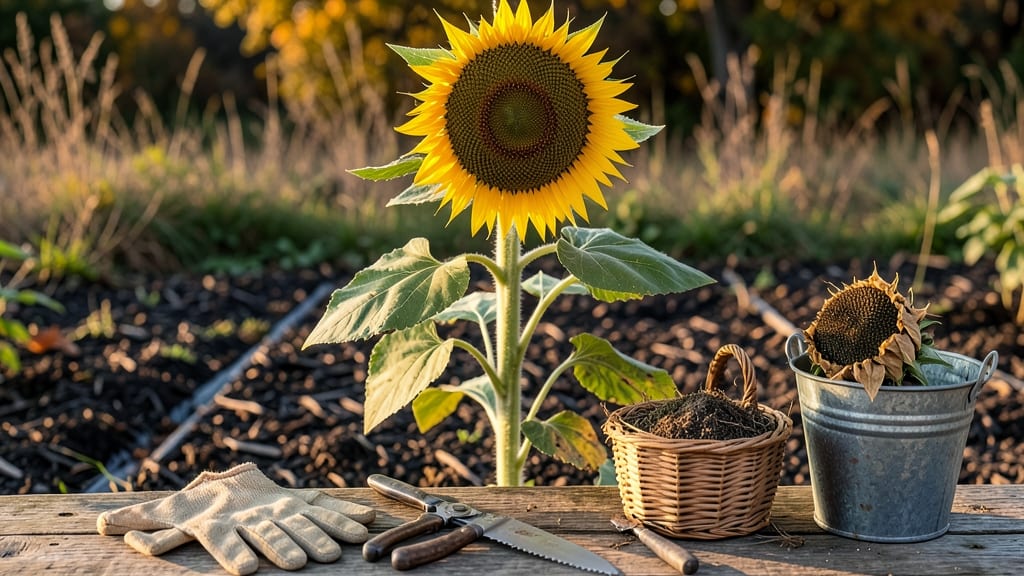
Sunflowers are ready to harvest when their seed heads turn golden-brown and the petals begin to droop 🌻 — a sure sign the flavor and nutrition are at their peak.
Picture this: you’ve nurtured your towering 6-foot sunflowers all season, only to wonder if you’re waiting just a little too long. The truth? Harvesting too early means bitter seeds, while waiting too late risks losing them to birds or rot.
Timing is everything, and missing the window can turn a bountiful harvest into wasted effort.
Beyond just color, there are three key signs to watch for: a dry, papery backside, seeds that rattle when shaken, and stems that snap easily.
These visual and physical cues tell you exactly when to pick — usually between July and September in most growing zones, including USDA Zone 6a. I’ll walk you through each one so you never second-guess your timing again.
Once you spot these ready-to-harvest clues, you’ll learn how to store your seeds for planting next year or use them in recipes. Plus, I’ll cover what happens if you harvest too soon or too late — and how to salvage underripe blooms before they’re gone.


How to identify sunflower harvest readiness by seed head color
The most reliable way to determine sunflower harvest readiness is by examining the seed head color and texture. When the backside of the flower head turns a deep golden-brown, it’s your first sign that seeds are maturing.
This color change happens as moisture leaves the head, signaling the perfect harvest window for both seed and oil production.
Don’t rely solely on petal color—yellow petals can stay vibrant even when seeds are ready. Instead, focus on the backside of the seed head, where you’ll notice a papery, dry texture.
This transformation typically occurs 60-90 days after planting, depending on your USDA zone and growing conditions.
| Stage | Seed Head Color | Petal Condition | Texture | Harvest Action |
|---|---|---|---|---|
| Not Ready | Green | Fully open, bright yellow | Firm, moist | Wait 1-2 weeks |
| Perfectly Ripe | Golden-brown (backside) | Drooping or falling | Papery, dry | Harvest immediately |
| Overripe | Dark brown/black | Fallen or cracked | Brittle, seeds loose | Use for birdseed or compost |
In cooler climates (Zones 3-5), sunflowers may take up to 120 days to reach harvest readiness, while warmer zones (6-10) often see maturity in 60-80 days.
For example, in Zone 7, I typically harvest sunflowers in late August to early September, while gardeners in Zone 9 might harvest as early as July.
Regional variations also affect petal drop timing. In humid climates, petals may cling longer due to moisture, while dry regions often see faster petal fall. Always check the seed head firmness—if it feels light and hollow when shaken, it’s ready.
A heavy head with moisture still present means more time is needed.
One common mistake is harvesting based on flower size alone. Some giant varieties like 'Mammoth' may take longer to mature, even if their petals droop. For these, I recommend waiting until the backside is uniformly brown before cutting. Smaller varieties like 'Teddy Bear' mature faster, often in 50-60 days.
If you’re growing sunflowers for seed oil, harvest when the backside is golden-brown but before petals fully fall. For birdseed, let them stay on the stem until fully dry and brittle. To test readiness, gently squeeze the seed head—if seeds rattle inside, they’re perfect for harvest.
In late-season gardens, frost can accelerate ripening. If a light frost is forecast, harvest sunflowers 2-3 days before the expected freeze to prevent seed spoilage. Store harvested heads in a dry, dark place for 1-2 weeks to fully dry seeds before processing.
Pro tip: Use a sharp pruning shear to cut stems 2-3 inches above ground level. This prevents disease from splashing soil onto the cut stem. Hang harvested heads upside down in a well-ventilated area to speed up drying and preserve seed quality.
Remember, overripe sunflowers lose germination potential, so timing is everything. By mastering these color and texture cues, you’ll never miss the perfect harvest window again. Happy harvesting! 🌻
5 Key signs your sunflowers are perfectly ripe (beyond just color)
While the golden-brown backside of a sunflower head is the most obvious sign of ripeness, there are three hidden clues that tell you exactly when to harvest. These subtle but critical indicators help you avoid bitter seeds or wasted effort.
For example, the seed sound test is one of my favorite tricks—it’s like nature’s built-in timer for perfect ripeness.
Environmental factors like humidity and temperature can speed up or slow down ripening. In hot, dry climates like USDA Zone 6a, sunflowers may mature faster, while cooler, damp conditions can delay harvest by up to two weeks.
That’s why checking for these five key signs ensures you’re ready to harvest at the ideal moment, regardless of your local weather.
- 🌻 Seed Sound Test
- 🪴 Stem Snap Test
- 🌿 Leaf Color Shift
- 💧 Moisture Check
- ☀️ Environmental Adjustments
Shake the seed head gently. If seeds rattle loudly inside, they’re ready. A dull thud means they need more time.
Bend the stem near the base. A clean snap signals maturity. If it bends without breaking, wait 3-5 days.
Lower leaves turn yellow or brown as nutrients move to the seed head. Healthy green leaves mean the plant still has energy to grow.
Press a seed gently. If it’s dry and crumbly, it’s ripe. A moist or sticky seed needs more time to mature.
High humidity slows drying, while dry heat speeds it up. In rainy seasons, harvest 2-3 days earlier than usual.
One of my biggest mistakes early on was harvesting sunflowers based solely on color. I once picked a head that looked perfect but had soft, unripe seeds because I ignored the stem snap test.
Always combine these signs for the most accurate timing. For example, if your sunflowers are in a shady spot, they’ll take longer to ripen, so check the stem and seed sound more frequently.
Temperature also plays a surprising role. In hotter climates, sunflowers may mature in as little as 50 days, while cooler zones like USDA Zone 6a can stretch ripening to 70 days.
That’s why I always monitor both the seed head and the weather forecast—a sudden heatwave can push your sunflowers to ripen faster than expected.
Once you’ve confirmed ripeness, harvest on a dry, sunny morning to preserve seed quality. Cut the stem at a 45-degree angle about 6 inches below the seed head to prevent moisture buildup.
Hang the heads upside down in a well-ventilated, dry place for 1-2 weeks to fully dry before storing seeds.
Pro tip: If you’re growing sunflowers for birdseed, leave a few heads on the stalk until they’re completely dry and the outer husk splits open. Birds will do the rest of the work for you! 🌻