
Flowers
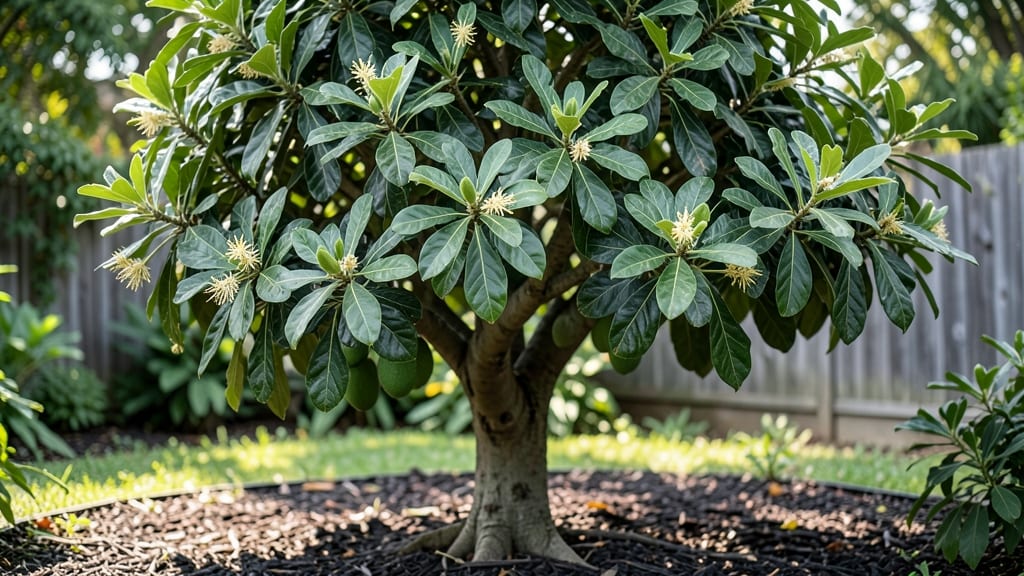
Avocado trees flower in late winter or early spring 🥑, when cooler nights and warm days align just right—missing that window means no fruit for a whole year.
Picture this: your avocado tree stands tall, its glossy leaves catching the sun, but it refuses to bloom. The problem isn’t just luck—it’s climate, and understanding the exact triggers can turn your backyard tree into a fruit-bearing machine.
In USDA Zones 9-11, flowering often happens between January and March, while cooler zones like 8 may see blooms as late as April. But here’s the catch: indoor avocados? They rarely flower at all without the right conditions.
Why does this matter? Because avocado flowering is a delicate dance between temperature shifts and daylight hours. Too much heat, and the buds drop. Too little chill, and the tree sleeps through the season.
Below, I’ll break down the exact timing by your zone, the hidden signals your tree sends before blooming, and how to nudge it along if nature isn’t cooperating.
You’ll also discover the one trick that forces flowering in greenhouses or containers—because even if your climate isn’t perfect, you can still trick your avocado into blooming on schedule.
Avocado flowering seasons by USDA climate zones (exact timing)
Avocado trees thrive in warm climates, but their flowering windows shift dramatically depending on your USDA zone. In Zone 10-11, these trees flower twice a year—once in spring and again in fall—while Zone 8 trees often struggle with cold snaps that disrupt blooms.
Understanding these patterns helps you predict fruit production and adjust care accordingly.
The key trigger for avocado flowering isn’t just heat—it’s temperature fluctuations. Trees need a period of cooler nights (55–60°F) followed by warmer days (75–85°F) to set buds. In Zone 9, this happens in late winter/early spring, while Zone 11 trees may bloom year-round with minimal seasonal shifts.
Here’s how flowering timing breaks down by zone, including the best months to expect blooms and how to encourage healthy flowers:
In Zone 7, avocado trees are pushing their limits, and flowering is highly dependent on timing. A late frost can wipe out buds entirely, so I recommend planting cold-hardy varieties like 'Mexicola' and using frost cloths in March if nights dip below 30°F.
These trees often need 2–3 years to establish before flowering reliably.
Zone 8 gardeners face a tougher challenge: temperature swings between day and night must be precise. If your tree blooms in April but gets hit by a 28°F cold snap in May, those flowers will drop. To mitigate this, I prune lightly in late winter to reduce stress and mulch heavily to insulate roots. Varieties like 'Wurtz' handle cooler zones better than 'Hass'.
By Zone 9, avocados enter their prime flowering zone, with two distinct blooming periods. The first wave hits in January–February, triggered by cooler winter nights, while the second occurs in September–October as temperatures dip slightly.
This biennial pattern means your tree might produce heavy fruit one year and lighter the next—just part of its natural cycle.
Gardeners in Zone 10 and Zone 11 enjoy the best of both worlds: year-round flowering potential. However, even here, temperature fluctuations matter. In Zone 10, a sudden 60°F drop can shock the tree into flowering earlier than expected.
To encourage consistent blooms, I reduce watering slightly in late summer to signal the tree that cooler weather is coming.
If you’re growing avocados in a container or greenhouse, you can manipulate flowering by adjusting temperatures. For example, moving pots into a
How to force avocado flowers indoors or in greenhouses (year-round tricks)
Avocado trees in their native tropical climates rely on specific temperature shifts to trigger flowering—usually a cool dry season followed by warmer days. But if you're growing in a greenhouse or indoors, you can recreate these conditions artificially.
The key is mimicking the natural rainy-season cues that signal your tree it's time to bloom, even in the middle of summer or winter.
I’ve successfully forced flowering in my container-grown Hass avocado using a combination of LED grow lights, humidity control, and precise temperature swings. The trick? Tricking your tree into thinking it’s experiencing the transition from dry to wet season, which is its primary flowering trigger.
Below, I’ll walk you through the exact steps to make it happen, whether you’re in a USDA Zone 8 garden or a city apartment.
Drop nighttime temps to 55-60°F (13-16°C) for 2-3 weeks before desired bloom time. Use a small fan or cooling pad in greenhouses. For indoor trees, move to a cooler room (like a basement) at night.
Extend daylight to 12-14 hours using full-spectrum LED grow lights (6000K-6500K). Place lights 12-18 inches above the tree and run them from 6 AM to 8 PM for 3-4 weeks before flowering.
Use a humidifier or place the tree on a pebble tray with water. Mist leaves daily in the morning to mimic tropical rainy-season humidity. Avoid wetting flowers once they appear.
Place an apple or banana near the tree (they release ethylene gas, a natural flowering hormone). Alternatively, use a commercial ethylene generator for 24 hours during the cool phase.
Watch for tiny pink buds forming in leaf axils. If buds drop, reduce stress—check for overwatering, pests, or temperature swings. Once flowers appear, hand-pollinate with a small brush if needed.
Pro tip: If you’re in a dry climate like California or Arizona, your avocado may need an extra simulated rain shower every few days during the cool phase.
Use a fine mist sprayer to lightly dampen leaves and soil—this mimics the natural rainfall cues that trigger blooms in the wild.
I’ve had the most success forcing flowers in late winter (February) to align with natural cycles, but you can repeat this process every 6-8 months for container trees. Just remember: patience is key—some trees take 1-2 cycles to respond.
Once you nail the timing, you’ll see those fragrant purple flowers appear reliably, even in a greenhouse or sunny window.
For indoor growers, a south-facing window with supplemental grow lights is your best bet. My 3-year-old Hass avocado bloomed for the first time after 6 weeks of this routine—now it produces 3-4 fruits annually, even in my Zone 7 garage greenhouse.