
Pruning
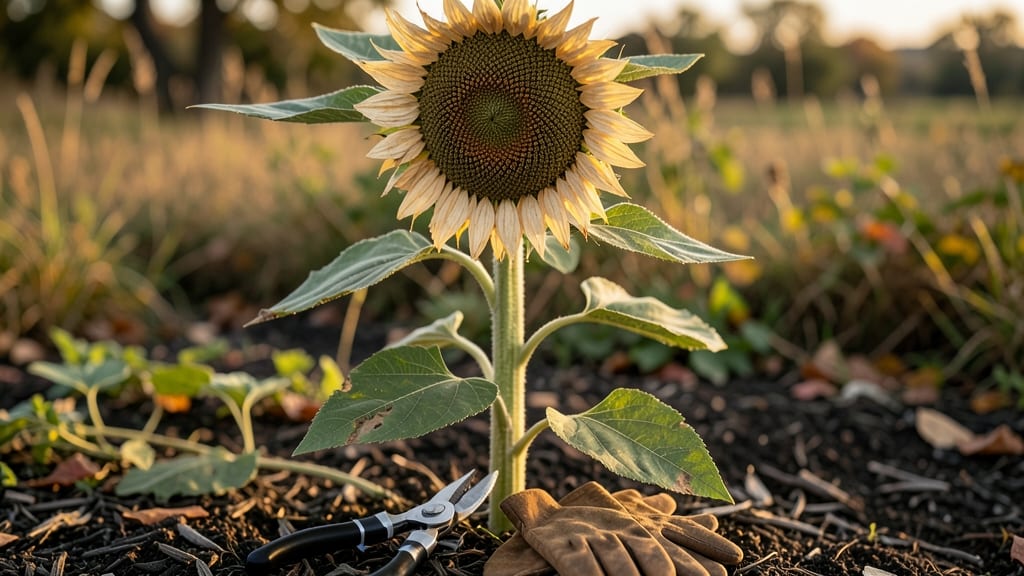
Cutting your sunflower heads off at the right time ensures you save seeds for next year’s garden—or prevent a messy, pest-magnet mess before frost hits.
Sunflowers may seem like simple summer blooms, but knowing exactly when to harvest their seeds can mean the difference between saving viable seeds for next year and watching them rot before frost—or worse, attracting pests. Timing is everything, and a single misstep could ruin months of growth.
If you’ve ever left a sunflower head too long and found it chewed by squirrels or rotting on the stem, you know how quickly things go wrong.
The key is acting when the petals start to droop but before the back of the head turns completely brown—usually late summer to early fall, depending on your USDA Zone.
In this guide, I’ll walk you through the exact signs to watch for, how to cut and dry the heads properly, and what to do if frost sneaks up faster than expected. No guesswork—just clear, actionable steps to save your seeds without the stress.
Optimal timing to cut sunflower heads for seed preservation
Harvesting sunflower seeds at the right moment ensures viable seeds for next year’s garden. The perfect window occurs when the petals begin to droop and brown—typically 4-6 weeks after flowering—but before the first frost warning.
Missing this timing risks seeds shattering, rotting, or attracting birds and squirrels before you can collect them.
In USDA Zone 6a, where frost typically arrives by mid-October, aim to harvest between late August and early September. For warmer climates, extend this window until October or November.
The key is to act before the seed heads fully dry on the plant, as this makes them brittle and prone to damage.
Look for these 3 visual cues to confirm readiness:
- Petals turn brown and wilt completely
- The back of the head turns yellowish-brown
- Seeds rattle when shaken (a sure sign of maturity)
| Stage | Petal Condition | Seed Head | Action | Timeframe |
|---|---|---|---|---|
| Early Bloom | Fully open, vibrant | Green, soft | Wait | June-July |
| Peak Maturity | Drooping, brown edges | Firm, heavy | Harvest | Late August-Sept |
| Overripe | Fully brown, dry | Brittle, seeds scatter | Too late | October+ |
| Frost Risk | Any stage | Moisture risk | Harvest immediately | Before frost |
Use a sharp pruners or knife to cut the entire head (about 6-12 inches of stem) when harvesting. Leave a 1-inch stem to prevent moisture from seeping into the cut end, which can cause rot during drying. If you’re in a humid climate, harvest earlier to avoid mold risks.
Watch for bird activity—squirrels and finches love sunflower seeds! If you notice them pecking at your heads, harvest within 24 hours to save your seeds. A lightweight bird netting can buy you extra time if you’re not ready to cut yet.
After cutting, hang the heads upside-down in a dry, dark place with good airflow (like a garage or shed) for 2-4 weeks. This slow drying process prevents cracking and ensures high germination rates. Once fully dry, rub the seeds between your hands to remove them from the head.
In northern climates, where frost arrives early, prioritize harvesting dwarf varieties first—they mature faster than giant sunflowers. If you miss the window, you can still save seeds by covering heads with breathable fabric to protect them until you’re ready to harvest.
Pro tip: Label your heads with the variety name and harvest date. This helps track which seeds performed best in your garden conditions. Store dried seeds in paper envelopes in a cool, dry place for up to 3 years.
Timing your harvest correctly transforms a wildflower into a seed-saving powerhouse. With these cues, you’ll never again watch your sunflower seeds go to waste—just viable, ready-to-plant treasures for next spring. 🌾
Step-by-step guide: how to cut and dry sunflower heads properly
Once you’ve identified your sunflower heads are ready for harvest—petals drooping and seed heads firm—it’s time to act quickly. Cutting too early means immature seeds, while waiting too long risks frost damage or pest infestations.
The 3-5 day window between perfect ripeness and frost is critical, so prepare your tools and workspace ahead of time to streamline the process.
Gather these essentials: a sharp pruning shears or clean knife, a bucket or cardboard box for transport, and a drying rack or hanging space in a dry, well-ventilated area.
Avoid damp garages or basements—humidity is the enemy of seed viability. If you’re in a humid climate, consider a dehumidifier or fan to speed up drying.
Step-by-Step: Cutting and Drying Sunflower Heads
-
Step 1: Cut the Heads
Use clean shears to cut 1-2 inches above the seed head. Avoid damaging the stem—this prevents sap loss and keeps the head intact for drying. -
Step 2: Remove Petals
Gently strip off the wilted petals by hand or with a knife. Leave the papery base intact to protect the seeds during drying. -
Step 3: Hang or Lay Flat
Hang heads upside down in a dry, dark place (like a garage with a fan) or lay them flat on a screen. Space them 2-3 inches apart to allow airflow. -
Step 4: Monitor Drying
Check heads every 3-5 days. They’re ready when seeds rattles easily when shaken and the back turns golden-brown. -
Step 5: Store Seeds
Once fully dry, rub seeds from the head into a paper bag or envelope. Label with the variety name and year, then store in a cool, dark place.
Pro tip: If frost threatens before your sunflowers are ready, harvest the heads anyway and accelerate drying indoors. Place them near a space heater (not too close!) or under a fan to mimic dry conditions. Just avoid heat sources that could overdry or damage the seeds.
Never skip the drying step—moisture-laden seeds mold within days, even in storage. I’ve learned this the hard way after storing seeds too soon, only to find them covered in fuzzy mold by spring. Patience pays off: properly dried seeds stay viable for 2-3 years when stored correctly.
For gardeners in warmer climates (Zones 8-10), timing shifts slightly. Here, sunflowers may mature by early fall, so monitor heads weekly. If you’re in a shorter growing season (Zones 3-5), prioritize harvesting the largest, healthiest heads first—they’re more likely to yield viable seeds.